
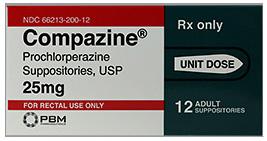
Drug Overview and Mechanism
Compazine, generically known as prochlorperazine, is an antipsychotic medication primarily used to manage severe nausea and vomiting, as well as schizophrenia. It operates by antagonizing dopamine receptors in the brain, thereby alleviating symptoms associated with nausea and psychosis.
Indications and Usage
Compazine is indicated for the treatment of severe nausea and vomiting, particularly when caused by chemotherapy or radiation therapy. Additionally, it is used for the management of schizophrenia and to control anxiety in certain cases, often when other medications are ineffective. The drug is not typically first-line for anxiety disorders but serves as an ancillary treatment.
Contraindications
Compazine is contraindicated in patients with hypersensitivity to prochlorperazine or other phenothiazines. It should not be given to patients with comatose states due to CNS depressants, severe circulatory disorders, or bone marrow suppression. Patients with a history of neuroleptic malignant syndrome should also avoid this medication.
Dosage and Administration
For adults, the dosage of Compazine for nausea and vomiting typically ranges from 5 to 10 mg, administered 3 to 4 times daily. In treating schizophrenia, the starting dose is generally 10 mg, with maintenance dosing of up to 100 mg daily. Tablet, injectable, and rectal suppository forms are available to accommodate different patient needs and clinical scenarios.
Drug Interactions
Compazine may interact with a variety of medications, including other central nervous system depressants, antihypertensives, and anticholinergic agents. Concurrent use with lithium may increase the risk of neurotoxicity. It is important to monitor patients for increased side effects or diminished therapeutic efficacy when adjusting any concurrent medication regimen.
Adverse Reactions
The most common adverse reactions include drowsiness, dizziness, amenorrhea, blurred vision, skin reactions, and hypotension. Extrapyramidal symptoms such as dystonia, Parkinsonism, and tardive dyskinesia may occur over long-term use. Rarely, it could lead to serious conditions like neuroleptic malignant syndrome and leukopenia.
Special Populations Considerations
In elderly patients, Compazine should be used with caution due to an increased risk of orthostatic hypotension and extrapyramidal symptoms. For pediatric patients, the safety and efficacy of Compazine for nausea and vomiting have been established, but not for the treatment of schizophrenia in children under 12 years. Pregnant women should only use the drug if the benefits justify the potential risks to the fetus.
Monitoring Parameters
Regular monitoring of blood cell counts is recommended due to the potential risk of leukopenia. Liver function tests should be periodically assessed to detect any hepatotoxicity. Patients on long-term therapy should undergo periodic ophthalmologic evaluations to monitor for lens opacities. Observations for signs of neuroleptic malignant syndrome, particularly in the initial stages of treatment, are crucial.
Overdose Management
Symptoms of an overdose may include severe drowsiness, hypotension, agitation, convulsions, and extrapyramidal reactions. In the event of an overdose, supportive measures such as airway management and intravenous fluids should be initiated. Administration of activated charcoal may help reduce drug absorption. There is no specific antidote; treatment is largely symptomatic and supportive.
Withdrawal and Discontinuation
Abrupt discontinuation of Compazine, especially after long-term use, can result in withdrawal symptoms including nausea, vomiting, dizziness, and restlessness. Gradual tapering of the dose is recommended to mitigate these reactions. Close monitoring during the withdrawal phase is advised to detect any resurgence of the underlying condition being treated.
Pharmacokinetics
Compazine is well absorbed with a bioavailability varying depending on the route of administration. It undergoes extensive hepatic metabolism and is excreted primarily via urine and feces. The elimination half-life ranges between 6 to 8 hours. The pharmacokinetic profile necessitates multiple daily dosing to maintain therapeutic levels.
Storage and Handling
Store Compazine tablets at room temperature, away from light and moisture. Prevent exposure to temperatures exceeding 30°C. Injectable formulations should be kept in a cool place, protected from light. Keep all medication out of reach of children. Adhere to proper disposal methods for unused or expired medication.
Patient Counseling Information
Patients should be advised to take Compazine exactly as prescribed, without alterations to the dosing schedule. Inform them about the potential side effects and instruct them to seek medical attention if they experience severe or unusual symptoms. Caution patients against operating heavy machinery or driving until they understand the drug’s impact on their alertness. Reinforce the importance of regular follow-up appointments and laboratory tests.




Reviews
There are no reviews yet.