
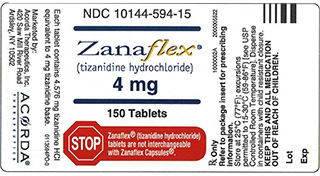
Medication Overview
Zanaflex (tizanidine) is a short-acting muscle relaxer. It is primarily used to treat spasticity by temporarily relaxing muscle tone. The medication operates by blocking nerve impulses sent to your brain.
Indications and Usage
Zanaflex is prescribed to alleviate spasticity associated with multiple sclerosis, spinal cord injuries, or conditions causing muscle tightness and spasms. It is essential for managing muscle hypertonia and enhancing patient mobility.
Dosage Instructions
The recommended starting dose is 2 mg. Zanaflex is administered orally, with the frequency of use typically being every 6 to 8 hours. Dosage may be increased based on individual patient response but should not exceed 36 mg in a 24-hour period.
Mechanism of Action
Zanaflex functions as an alpha-2 adrenergic agonist. By stimulating presynaptic receptors, it inhibits the release of excitatory amino acids, thus reducing neuron activity and relaxes muscles.
Pharmacokinetics
Zanaflex is rapidly absorbed, with peak plasma concentration reached within 1 hour. The bioavailability varies between tablet and capsule forms. Food significantly affects drug absorption, hence timing of intake relative to meals should be consistent.
Potential Side Effects
Common side effects include dry mouth, dizziness, and somnolence. Less frequently, patients may experience bradycardia, hypotension, or liver enzyme elevations. Monitoring for adverse effects necessitates frequent communication with healthcare providers.
Drug Interactions
Zanaflex interacts with CYP1A2 inhibitors such as fluvoxamine and ciprofloxacin, leading to elevated tizanidine levels and increased risk of adverse effects. Concomitant use with antihypertensives or alcohol may potentiate hypotensive effects.
Contraindications
Zanaflex is contraindicated in patients with a known hypersensitivity to tizanidine. It is also unsuitable for patients receiving potent CYP1A2 inhibitors due to significant interactions that can cause severe adverse reactions.
Special Populations
In elderly patients, dose titration should be particularly cautious due to altered pharmacokinetics. Liver and renal impairment necessitate dose adjustments and frequent serum level monitoring to mitigate risks of toxicity.
Storage Conditions
Store Zanaflex at room temperature, away from moisture and heat. The medication should be kept in its original container to protect from light. Ensure the bottle is tightly closed when not in use.
Administration Guidelines
Swallow Zanaflex tablets or capsules whole. Do not crush, chew, or break them. Consistency in administration relative to meals is critical for maintaining therapeutic drug levels due to variable bioavailability with food intake.
Patient Counseling
Educate patients on the importance of adhering to the prescribed dosage. Inform them about potential drowsiness and advise against operating heavy machinery. Encourage them to report any new or worsening side effects immediately.
Liver Function Monitoring
Zanaflex can cause hepatotoxicity. Baseline liver function tests are recommended prior to starting therapy. Ongoing liver function monitoring should be performed regularly to detect any signs of liver damage early.
Withdrawal Protocol
Sudden discontinuation of Zanaflex should be avoided to prevent rebound spasticity. Tapering the dose gradually under medical supervision is advisable to mitigate withdrawal symptoms and ensure patient safety.
Overdose Management
Signs of Zanaflex overdose include severe drowsiness, confusion, and respiratory depression. Immediate medical attention is required. Management includes symptomatic treatment, gastric lavage, and supportive care in a hospital setting.
Clinical Trials Overview
Clinical trials have demonstrated the efficacy of Zanaflex in reducing spasticity scores in patients with multiple sclerosis and spinal cord injuries. Continued assessment through long-term studies supports its role in spasticity management with a manageable safety profile.
Alternatives and Comparisons
Alternative antispasticity medications include baclofen and diazepam. Each has distinct mechanisms and side effect profiles. Comparative studies favor individual preference based on specific patient response and tolerability.
Prescription Recommendations
Zanaflex should be prescribed at the lowest effective dose to minimize side effects. Regular follow-ups and patient assessments are crucial to tailor the therapy based on evolving clinical conditions and patient feedback.
Tizanidine Abuse Potential
Tizanidine has a low abuse potential compared to other muscle relaxants. Nonetheless, patients with a history of substance abuse should be monitored closely. Appropriate safeguards should be in place to prevent misuse.
Pregnancy and Lactation
The safety of Zanaflex during pregnancy has not been established. It is categorized as a Pregnancy Category C drug. Nursing mothers should exercise caution, considering potential excretion in breast milk and effects on the infant.
Patient Assistance Programs
Pharmaceutical companies offer patient assistance programs to aid access to Zanaflex for uninsured or underinsured patients. Detailed information can be acquired from the prescribing healthcare provider or medication manufacturer.

Reviews
There are no reviews yet.