

Brand and Generic Name
Dostinex is the brand name for the generic medication cabergoline. It belongs to the class of drugs known as dopamine receptor agonists. It is primarily used to treat hyperprolactinemia, a condition characterized by elevated levels of the hormone prolactin in the blood.
Indication and Usage
Dostinex is prescribed for the treatment of disorders associated with hyperprolactinemia, including menstrual disorders, infertility, and pituitary adenomas. It is effective in reducing prolactin levels, thereby alleviating symptoms associated with excess prolactin.
Pharmacological Class
Cabergoline, the active ingredient in Dostinex, is classified as a dopamine receptor agonist. It works by binding to dopamine D2 receptors on lactotroph cells in the pituitary gland, inhibiting the secretion of prolactin.
Mechanism of Action
Cabergoline acts by stimulating dopamine D2 receptors, which results in the inhibition of prolactin secretion from the anterior pituitary gland. This reduction in prolactin levels helps manage conditions involving excessive prolactin, such as prolactinomas.
Dosage and Administration
For hyperprolactinemia, the initial recommended dose is 0.25 mg twice a week. The dose may be titrated up to 1 mg twice a week, depending on the patient’s response and serum prolactin levels. It should be taken by mouth, with or without food.
Available Dosage Forms
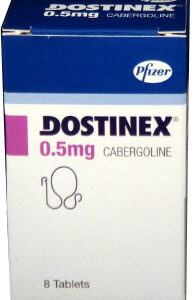
Dostinex is available in tablet form, each containing 0.5 mg of cabergoline. The tablets are typically provided in bottles of eight tablets for easy administration and dosage adjustment.
Bioavailability and Metabolism
Cabergoline is well absorbed with peak plasma concentrations occurring approximately 2-3 hours after oral administration. It is extensively metabolized in the liver, primarily via hydrolysis, and excreted mainly in feces and to a lesser extent in urine.
Drug Interactions
Dostinex may interact with other medications that also affect dopamine receptors, such as antipsychotics and metoclopramide. It is advisable to consult with a healthcare provider regarding all other medications being taken alongside cabergoline.
Adverse Reactions
Common side effects of Dostinex include nausea, headache, dizziness, and fatigue. Some patients may experience orthostatic hypotension, peripheral edema, or gastrointestinal disturbances. Monitoring for side effects is critical for ongoing patient safety.
Contraindications
Patients with uncontrolled hypertension or known hypersensitivity to cabergoline or ergot derivatives should not use Dostinex. Additionally, it is contraindicated for use in patients with a history of fibrotic disorders affecting the heart, lungs, or retroperitoneum.
Special Populations
Caution should be exercised when prescribing Dostinex to elderly patients and those with hepatic impairment, as these populations may have altered drug metabolism and excretion. Dose adjustments may be necessary to mitigate potential risks.
Monitoring Parameters
Regular monitoring of serum prolactin levels is recommended to assess the efficacy of the treatment. Patients may also require periodic electrocardiograms (ECGs) and echocardiograms to monitor for valvulopathy in long-term use.
Pregnancy and Lactation
There is limited data on the use of Dostinex during pregnancy. It is classified as Category B by the FDA for pregnant women. Lactating women should be aware that cabergoline suppresses lactation and may pass into breast milk.
Patient Counseling Points
Patients should be advised to take Dostinex exactly as prescribed and not to discontinue therapy without consulting their healthcare provider. They should be informed about the potential side effects and the importance of keeping follow-up appointments for monitoring.
Storage and Handling
Dostinex tablets should be stored at room temperature, between 20°C to 25°C (68°F to 77°F). The medication should be kept in its original bottle, tightly closed, and protected from moisture and light.



Reviews
There are no reviews yet.