
Mechanism of Action
Isoniazid is a prodrug that when activated inhibits the synthesis of mycolic acid. Mycolic acid is essential for the bacterial cell wall of Mycobacterium tuberculosis. The activation of isoniazid involves interaction with KatG, a bacterial catalase-peroxidase enzyme, ultimately leading to bactericidal activity against actively growing bacteria.
Pharmacokinetics
Isoniazid is rapidly absorbed from the gastrointestinal tract following oral administration. Peak plasma concentrations are typically reached within 1 to 2 hours. It is widely distributed throughout bodily tissues and fluids including the cerebrospinal fluid. The drug undergoes hepatic metabolism primarily by acetylation to its major metabolite, acetylisoniazid. This process varies among individuals classified as either slow or rapid acetylators, which can influence the drug’s effectiveness and safety profile.
Indications and Usage
Isoniazid is primarily indicated for the treatment of active tuberculosis infections, usually in combination with other antitubercular agents. It is also indicated for the prophylaxis of tuberculosis in individuals who have tested positive for tuberculosis exposure but do not have active disease. Usage is determined by susceptibility test results and clinical judgements by healthcare professionals.
Recommended Dosages
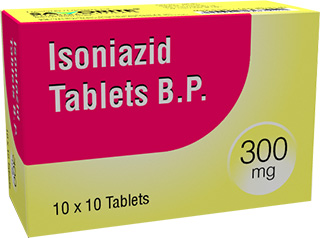
The typical dosage of isoniazid for adults is 300 mg daily, administered as a single dose or 15 mg/kg up to a maximum of 900 mg, administered two or three times weekly. For children, the recommended dose is usually 10 to 15 mg/kg up to a maximum dose of 300 mg per day. Dosages may need to be adjusted for patients with renal or hepatic impairment.
Administration Guidelines
Isoniazid should be taken on an empty stomach, either 1 hour before or 2 hours after meals for optimal absorption. If gastrointestinal upset occurs, it can be taken with food; however, this may delay absorption. Patients should be advised to take the medication consistently at the same time each day to maintain stable blood levels.
Potential Side Effects
Common side effects include nausea, vomiting, and mild elevation of liver enzymes. Severe hepatotoxicity can occur, especially in older adults and those with pre-existing liver conditions. Peripheral neuropathy, characterized by tingling or numbness in extremities, is another potential side effect. Supplementation with pyridoxine (vitamin B6) can help in preventing neuropathy. Rarely, patients may develop severe skin reactions such as Stevens-Johnson syndrome.
Drug Interactions
Isoniazid can interact with several other medications. Concomitant use with rifampin may increase the risk of hepatotoxicity. It may also inhibit the metabolism of phenytoin, leading to increased levels and potential toxicity. Alcohol use should be limited as it may exacerbate hepatic side effects. Enzyme inducers such as carbamazepine may decrease the efficacy of isoniazid.
Contraindications
Isoniazid is contraindicated in individuals with a history of hypersensitivity to the drug or its components. It should not be used in patients with acute liver disease or those who have demonstrated prior episodes of drug-induced hepatitis. Caution is advised in patients with chronic alcoholism due to heightened risk of hepatotoxicity.
Storage Requirements
Isoniazid tablets should be stored at room temperature, between 20°C to 25°C (68°F to 77°F). The medication should be kept away from excessive moisture and heat. It should be stored in a tightly closed container and kept out of reach of children to prevent accidental ingestion.
Laboratory Monitoring
Regular monitoring of liver function tests is recommended during isoniazid therapy due to the potential for hepatotoxicity. Baseline tests should be conducted before initiating treatment, followed by periodic monitoring, particularly in individuals with pre-existing liver conditions or risk factors for liver disease. Periodic complete blood counts (CBC) and renal function tests may also be advisable.
Dosage Adjustments
Dosage adjustments may be necessary based on liver function tests and in patients identified as slow acetylators, who may experience drug accumulation and heightened side effects. Dosages should be carefully adjusted in those with existing renal impairment. Consideration for lowered dosages might be essential to reduce the risk of toxicity in these populations.
Patient Compliance
Adherence to prescribed isoniazid regimens is crucial for effective treatment. The full course of therapy should be completed, even if symptoms improve before the medication is finished. Inconsistent use can contribute to the development of drug resistance and treatment failure. Education about the importance of completing therapy and how to manage side effects can improve compliance.
Patient Education
Patients should be informed about the signs and symptoms of potential side effects, particularly hepatotoxicity, such as yellowing of the skin or eyes, dark urine, and severe stomach pain. They should also be advised to limit or avoid alcohol consumption during treatment to minimize liver damage. Clear instructions on how to take the medication, dietary considerations, and consistent dosing schedules should be provided.



Reviews
There are no reviews yet.