

Generic Name
Mupirocin
Brand Name
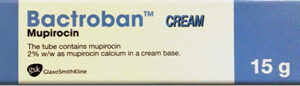
Bactroban
Drug Classification
Bactroban is classified as a topical antibiotic. It belongs to the family of monoxycarbolic acids.
Mechanism of Action
Bactroban inhibits bacterial protein synthesis by reversibly binding to the bacterial enzyme isoleucyl-tRNA synthetase, leading to prevention of the incorporation of isoleucine into bacterial proteins.
Indications
Bactroban is used to treat bacterial skin infections, including impetigo. It is also prescribed for secondary infected traumatic skin lesions due to susceptible strains of Staphylococcus aureus and Streptococcus pyogenes.
Dosage Forms
Bactroban is available in multiple formulations, including 2% cream, ointment, and nasal ointment.
Administration Route
Administer Bactroban topically to the affected skin area. Avoid application to mucous membranes except for the nasal ointment, which should be applied intranasally.
Application Guidelines
For the cream or ointment, apply a small amount to the affected area three times daily. The treated area may be covered with gauze or a dressing if desired. For nasal ointment, apply a small amount inside each nostril twice daily. Rub nostrils together to spread the ointment.
Duration of Use
Generally, the treatment duration should not exceed ten days. Consult a healthcare provider if symptoms do not improve after five days of use.
Storage Instructions
Store Bactroban at room temperature between 20°C and 25°C. Do not freeze the medication and keep it away from direct light. Ensure the tube or packaging is tightly closed when not in use.
Handling and Disposal
Wash hands before and after applying Bactroban. Avoid touching the tip of the tube with any surface, including the skin. Dispose of unused medication according to local regulations; do not flush or pour down a drain.
Pharmacokinetics
Bactroban demonstrates minimal systemic absorption when applied topically to intact skin. Absorbed mupirocin undergoes rapid metabolism to the inactive metabolite monic acid. Excretion occurs primarily via renal pathways.
Contraindications
Bactroban is contraindicated in patients with a known hypersensitivity to mupirocin or any component of the formulation. Discontinue usage immediately if allergic reaction occurs.
Common Side Effects
Typical side effects may include local reactions such as burning, stinging, or itching at the application site. Nasal formulations may cause headache or respiratory symptoms like congestion.
Drug Interactions
Bactroban has minimal drug interaction potential due to low systemic absorption. Concurrent use with other topical agents should be approached with caution to avoid adverse skin reactions.
Use in Pregnancy
There are no well-controlled studies of Bactroban’s use in pregnant women. Use only if the potential benefit justifies the potential risk to the fetus. Consult a healthcare provider before use.
Lactation Considerations
It is unknown whether Bactroban is excreted in human milk. Use caution when administering to breastfeeding women; consider the benefits to the mother against potential risks to the infant.
Pediatric Use
Bactroban is approved for use in children aged three months and older. Dosage and administration instructions should be adhered to strictly to avoid adverse effects in pediatric patients.
Geriatric Use
No differences in safety or effectiveness have been observed between elderly and younger patients. Generally, dose selection for an elderly patient should be cautious, reflecting the greater frequency of decreased hepatic, renal, or cardiac function.
Overdose Management
Overdose of Bactroban applied topically is unlikely due to low systemic absorption. If ingestion occurs, provide supportive measures and seek medical attention immediately.
Clinical Efficacy
Clinical trials have demonstrated the efficacy of Bactroban in eradicating nasal carriage of MRSA and treating primary or secondary skin infections caused by susceptible bacteria.
Patient Counseling
Instruct patients on proper application techniques and the importance of completing the full course of therapy. Emphasize avoiding the eyes, mouth, and other mucous membranes.
Alternative Treatments
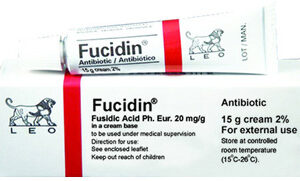
For patients intolerant or unresponsive to Bactroban, alternative treatments may include other topical antibiotics such as fusidic acid or systemic therapy if necessary.
Inactive Ingredients
The cream formulation contains polyethylene glycol and glycol stearate. The ointment formulation includes polyethylene glycol. Nasal ointment comprises paraffin and glycerin ester.
Availability and Packaging
Bactroban is distributed in various packaging options, including aluminum tubes and unit-dose nasal ointment packs, providing flexibility for different dosing needs.


Reviews
There are no reviews yet.