
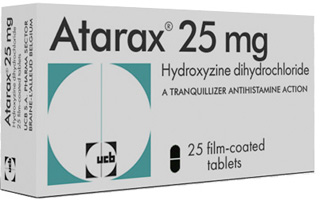
Drug Name and Classification
Atarax, known generically as hydroxyzine, is an antihistamine medication. It belongs to the piperazine class of drugs, specifically used for its sedative and anxiolytic effects.
Mechanism of Action
Hydroxyzine works by inhibiting the histamine H1 receptors. By blocking these receptors, it prevents the binding of histamine, which reduces allergy symptoms and induces sedation. It also has peripheral anticholinergic and central nervous system depressant properties.
Indications for Use
Atarax is primarily indicated for the treatment of anxiety and tension. Additionally, it is used to manage pruritus due to allergic conditions such as chronic urticaria and atopic or contact dermatitis. Hydroxyzine is also effective as a sedative in premedication and postoperative therapy.
Dosage Forms Available
Atarax is available in several dosage forms, including oral tablets, oral capsules, and liquid syrups. The oral tablets and capsules generally come in strengths of 10 mg, 25 mg, and 50 mg. The syrup typically contains 10 mg/5 mL of hydroxyzine hydrochloride.
Recommended Dosage
The usual adult dosage for anxiety relief is 50 to 100 mg four times a day. For controlling pruritus, the typical adult dose is 25 mg three to four times daily. Pediatric dosages vary, typically based on weight, but generally range from 0.5 to 1 mg/kg per dose.
Route of Administration
Atarax is administered orally. The drug can be taken with or without food, although taking it with food can minimize gastrointestinal discomfort.
Pharmacokinetics
Hydroxyzine is rapidly absorbed from the gastrointestinal tract. Peak plasma concentrations are typically reached within 2 hours of oral administration. The drug is metabolized in the liver and excreted primarily in urine.
Drug Interactions
Atarax may interact with alcohol and other central nervous system depressants, enhancing sedative effects. It may also potentiate the effects of opioid analgesics and barbiturates. Concurrent use with MAO inhibitors should be avoided due to increased risk of side effects.
Storage Conditions
Store Atarax in a tightly closed container at room temperature, away from excessive moisture and heat. Keep out of reach of children and pets to prevent accidental ingestion.
Contraindications
Atarax is contraindicated in patients with a known hypersensitivity to hydroxyzine or any components of the product formulation. It is also contraindicated in early pregnancy due to its anticholinergic activity and potential harmful effects on the fetus.
Pregnancy and Lactation
Atarax is classified as FDA pregnancy category C. It should be used only if the potential benefits justify the risks. Hydroxyzine is excreted in breast milk, and while the effects on nursing infants are unknown, caution should be exercised when it is administered to a breastfeeding mother.
Side Effects Overview
Common side effects of Atarax include drowsiness, dry mouth, dizziness, and headache. Less common side effects may consist of blurred vision, confusion, and gastrointestinal disturbances such as nausea and vomiting.
Monitoring and Precautions
While taking Atarax, monitoring for signs of central nervous system depression is advisable. Patients with a predisposition to angle-closure glaucoma should use caution. Additionally, elderly patients might be more susceptible to the sedative effects, necessitating dose adjustments.
Renal and Hepatic Impairment
In patients with renal impairment, the elimination half-life of hydroxyzine is prolonged, requiring dosage adjustments. Similar considerations apply to patients with hepatic impairment due to the drugâs extensive liver metabolism.
Long-Term Use Considerations
Long-term use of Atarax can lead to tolerance and dependence, particularly at high doses. Regular assessment of the necessity for continued therapy is recommended, and gradual dose tapering should be considered to prevent withdrawal symptoms.
Missed Dose Instructions
If a dose is missed, it should be taken as soon as remembered unless it is close to the time for the next dose. Do not double doses to make up for a missed one, as this increases the risk of adverse effects.
Overdose Management
Symptoms of Atarax overdose may include severe drowsiness, nausea, vomiting, uncontrolled muscle movements, or seizures. Supportive and symptomatic treatment should be provided. Activated charcoal may be administered to limit absorption if the overdose is recent.
Monitoring Liver Function
Periodic monitoring of liver function tests is advisable, especially in patients receiving long-term therapy or those with preexisting hepatic conditions. Elevated liver enzymes may necessitate discontinuation of the drug.
Special Populations
In pediatric patients, Atarax should be used with caution, adjusting doses according to body weight. In elderly patients, a lower initial dose is often required due to an increased risk of sedation and anticholinergic effects.
Patient Counseling Information
Patients should be informed about the potential sedative effects of Atarax and advised against driving or operating heavy machinery until they know how the drug affects them. They should also be advised to avoid concomitant use of alcohol.
Handling and Disposal
Proper handling of Atarax includes ensuring tablets are not exposed to moisture. Unused or expired medication should be disposed of according to local regulations to avoid accidental ingestion or environmental contamination.

Reviews
There are no reviews yet.