

Active Ingredient: Fexofenadine
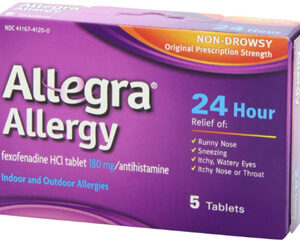
Allegra contains the active ingredient fexofenadine, which is an antihistamine. It works by blocking histamine receptors in the body, responsible for allergic symptoms. Fexofenadine is specific to H1 receptors, reducing hives and other allergic reactions.
Dosage Forms
Allegra comes in various dosage forms including tablets, orally disintegrating tablets, and liquid suspensions. The typical tablet strengths include 30 mg, 60 mg, and 180 mg. Liquid suspensions are usually available in 60 mg per 5 ml concentration. Orally disintegrating tablets offer ease of use without water.
Recommended Dosage
For adults and children 12 years and older, the recommended dose is usually 60 mg twice a day or 180 mg once a day. For children aged 6-11, the typical dose is 30 mg twice daily. Brain the medication exactly as prescribed by a healthcare provider.
Administration Guidelines
Allegra should be taken with water. Do not consume with fruit juices, such as orange or grapefruit juice, as they can impair absorption. Take Allegra on an empty stomach for best results. Maintain consistent timing for daily doses to ensure optimal efficacy.
Storage Conditions
Store Allegra at room temperature, between 20-25°C (68-77°F). Keep the medication in its original packaging to protect from moisture and light. Ensure that it is kept out of reach of children and pets. Do not store in the bathroom.
Pharmacokinetics
Fexofenadine has a half-life of approximately 14.4 hours in healthy adults. It shows minimal metabolism and is primarily excreted unchanged in feces and urine. Peak plasma concentration is typically reached within 2-3 hours. The medication binds to plasma proteins by 60-70%.
Paediatric Use
For children aged 2-11 years, the dose varies according to age and weight. The typical dose for younger children is around 30 mg taken twice a day. For specific weight-based dosing, consult a pediatrician. The safety and efficacy for children under 2 years have not been established.
Pregnancy and Breastfeeding
Limited data exists on the use of Allegra during pregnancy. It should only be used if the benefits outweigh the risks. Fexofenadine is excreted in breast milk. Consult your healthcare provider before continuing Allegra while breastfeeding.
Geriatric Considerations
Elderly patients may require dose adjustments due to decreased liver, kidney, or heart function. It is crucial to monitor renal function and other systemic conditions while administering Allegra in older adults to minimize potential adverse reactions.
Drug Interactions
Allegra can interact with various medications, including antacids containing aluminum and magnesium. These should be taken a few hours apart from Allegra. Co-administration with ketoconazole or erythromycin can increase plasma concentrations of fexofenadine.
Adverse Reactions
Common adverse reactions include headache, dizziness, and nausea. Other less frequent effects can involve fatigue and dysmenorrhea. Cases of hypersensitivity reactions are rare, but immediate medical attention is essential if they occur.
Contraindications
Allegra is contraindicated in patients with a known hypersensitivity to fexofenadine or any of its components. Avoid use in patients with severe renal impairment without appropriate dose adjustments. Consult a healthcare professional for further contraindications.
Mode of Action
Fexofenadine, the active component of Allegra, exerts its action by selectively inhibiting peripheral H1 receptors. By blocking these receptors, it prevents the histamine-induced symptoms like sneezing, itching, and hives associated with allergic responses.
Pharmacodynamic Properties
Fexofenadine does not cross the blood-brain barrier significantly, reducing the likelihood of sedation compared to older antihistamines. It showcases rapid onset, typically within one hour, and its effects last approximately 24 hours.
How Supplied
Allegra tablets are provided in blister packs and bottles. Each pack or bottle outlines the storage conditions and expiry date. The packaging is designed to protect the integrity of the medication until consumption.
Missed Dose Instructions
If a dose of Allegra is missed, take it as soon as you remember. If it is close to the time for the next dose, skip the missed dose and proceed with the regular dosing schedule. Do not double doses to make up for a missed one.
Overdose Management
In the event of an overdose, symptomatic and supportive treatment is recommended. Gastric lavage may be considered shortly after intake. Continuous monitoring of vital signs and electrolytes is essential. Always seek immediate medical attention.
Laboratory Test Interference
Allegra is unlikely to interfere with laboratory tests. However, inform your healthcare provider about all medications you are taking when undergoing tests. This ensures accurate test results and appropriate interpretation.
History of Allegra
Allegra was developed as an alternative to traditional antihistamines with fewer sedative effects. Approval for public use was granted after extensive clinical trials demonstrated its efficacy and safety in managing allergic symptoms.
Patient Education
Patients should be informed about the correct administration of Allegra, potential side effects, and the importance of adherence to prescribed doses. Initiate discussions about lifestyle modifications that could help manage allergic conditions alongside medication.
Patient Monitoring
Regular follow-up appointments are advised to monitor the effectiveness and any adverse reactions. Evaluate symptom control and adjust dosages as necessary. Monitoring is particularly important for patients with coexisting medical conditions.
Brand Comparisons
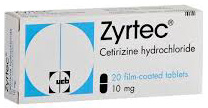
Allegra is often compared to similar antihistamines like Claritin (loratadine) and Zyrtec (cetirizine). Allegra offers a non-sedative option with rapid action, making it a preferred choice for those needing minimal disruption to daily activities.
Clinical Efficacy
Clinical trials show Allegra’s effectiveness in managing seasonal allergic rhinitis and chronic idiopathic urticaria. It provides considerable symptom relief with a favorable safety profile. Patients report fewer side effects compared to first-generation antihistamines.

Reviews
There are no reviews yet.