

Medication Overview
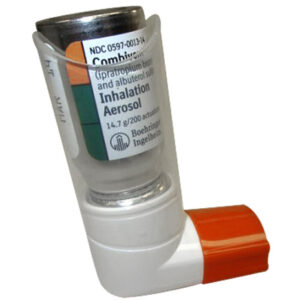
Combivent is a combination medication consisting of ipratropium bromide and albuterol sulfate. It is primarily used in the management of chronic obstructive pulmonary disease (COPD). Ipratropium bromide is an anticholinergic agent, while albuterol sulfate is a beta-2 adrenergic agonist. Together, they work by relaxing muscles around the airways to improve breathing.
Formulations Available
Combivent is available in two main formulations: Combivent Respimat Inhalation Spray and Combivent Inhalation Aerosol. The Respimat formulation provides a metered dose through a soft mist inhaler, while the aerosol version utilizes a traditional pressurized metered-dose inhaler (MDI). Each inhalation of Combivent provides 20 mcg of ipratropium bromide and 100 mcg of albuterol sulfate.
Dosage and Administration
The typical recommended dosage for adult patients is one inhalation four times a day. Patients should not exceed six inhalations in a 24-hour period. It is crucial to shake the inhaler well before each use and prime it before the first use or if it hasn’t been used for more than 3 days. Proper inhalation technique should be maintained to ensure effective delivery of the medication.
Pharmacodynamics
Ipratropium bromide inhibits the action of acetylcholine on muscarinic receptors in bronchial smooth muscle, leading to bronchodilation. Albuterol sulfate stimulates beta-2 adrenergic receptors, causing relaxation of bronchial smooth muscle and subsequent bronchodilation. The combination of these mechanisms helps improve air flow and reduce bronchospasm in COPD patients.
Pharmacokinetics
Following inhalation, both ipratropium and albuterol have rapid onset actions. Ipratropium’s effects typically occur within 15 minutes and peak at 1-2 hours. Albuterol generally starts to work within a few minutes, peaking at 30 minutes to 2 hours. The half-life of ipratropium is about 1.6 hours, while albuterol’s half-life is 3.8 hours. Both drugs are metabolized primarily by the liver and kidneys, with excretion in urine.
Contraindications
Combivent is contraindicated in patients with a known hypersensitivity to ipratropium, albuterol, or any other component of the medication, including soy lecithin or related food products such as soybeans and peanuts. Additionally, caution is advised in patients with cardiovascular disorders, hyperthyroidism, diabetes mellitus, and those who are responsive to adrenergic amines due to potential systemic effects.
Drug Interactions
Combivent may interact with other medications, potentially altering its effectiveness or increasing adverse effects. Notable interactions include concurrent use with other anticholinergic agents, beta-blockers, diuretics, non-potassium-sparing diuretics, and MAO inhibitors. Caution should also be taken with drugs known to prolong the QT interval or those that may potentiate hypokalemia.
Adverse Reactions
Common adverse reactions include headache, dizziness, dry mouth, nervousness, tremor, and increased heart rate. Respiratory side effects can include cough, throat irritation, and exacerbation of bronchospasm. Some patients may also experience gastrointestinal symptoms such as nausea and vomiting. Severe allergic reactions are rare but can include rash, urticaria, and angioedema.
Monitoring Parameters
Patients on Combivent should be monitored for signs of cardiovascular complications such as tachycardia and hypertension. Lung function tests can help assess the efficacy of treatment. Monitoring for hypokalemia is essential when used concomitantly with other medications that affect potassium levels. Regular assessment of albuterol’s effect on blood glucose levels is recommended for diabetic patients.
Patient Counseling Information
Patients should be educated on the appropriate use, priming, and cleaning of their inhaler. The importance of adherence to prescribed dosages and not exceeding maximum daily inhalations should be emphasized. Patients must recognize the signs of potential side effects and when to seek medical attention. Proper storage of the inhaler away from extreme temperatures and light should be advised.
Special Populations
Pregnant and breastfeeding women should use Combivent only if clearly needed and after a thorough risk-benefit assessment by their healthcare provider. Geriatric patients may be more susceptible to cardiovascular side effects; hence, careful monitoring is recommended. Pediatric use is not established, and the medication should be administered with caution in this demographic.



Reviews
There are no reviews yet.