
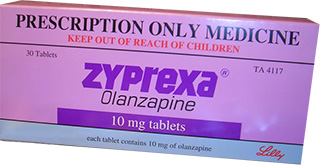
Zyprexa Medication Guide
Drug Classification
Zyprexa, known generically as olanzapine, falls under the antipsychotic category, specifically classified as an atypical antipsychotic. This class of medications is often prescribed for the management of psychiatric conditions. As an atypical antipsychotic, Zyprexa works differently compared to traditional antipsychotics.
Mechanism of Action
Zyprexa operates by modulating the activity of neurotransmitters in the brain, particularly serotonin and dopamine. These neurotransmitters play crucial roles in mood regulation and thought processes. By balancing their levels, Zyprexa helps to stabilize mood and reduce symptoms of psychosis.
Indications for Use
Zyprexa is primarily indicated for the treatment of schizophrenia in adults and adolescents aged 13-17 years. It is also utilized in the management of bipolar I disorder, addressing manic or mixed episodes in adults and children aged 10-17 years. Additionally, it is prescribed for maintaining stability in bipolar disorder.
Dosage Forms Available
Zyprexa is available in several formulations to accommodate different patient needs. These include oral tablets, orally disintegrating tablets (Zyprexa Zydis), and an injectable form for intramuscular administration. Each form allows for flexibility in dosing and administration routes.
Common Dosage Regimens
For adults with schizophrenia, the typical starting dose ranges from 5 to 10 mg per day, with gradual adjustments based on response and tolerability. In treating bipolar I disorder, the starting dose also falls between 5 to 15 mg daily. Dosage adjustments should be made cautiously to avoid adverse effects.
Pharmacokinetics
Olanzapine absorbs rapidly following oral administration, reaching peak plasma concentrations in approximately 6 hours. It exhibits high bioavailability, with extensive distribution throughout the body. Metabolism occurs mainly in the liver, primarily via glucuronidation and secondarily via cytochrome P450 enzymes.
Drug Interactions
Several medications can interact with Zyprexa, potentially altering its effectiveness or increasing side effects. Commonly noted interactions include antihypertensive drugs, alcohol, and other CNS depressants. Co-administration with carbamazepine may reduce olanzapine levels, whereas fluvoxamine can increase them.
Adverse Effects
Common adverse effects include weight gain, drowsiness, and dry mouth. Other possible side effects are increased appetite, dizziness, and orthostatic hypotension. Monitoring is essential to identify and manage these effectively. Severe but rare effects include neuroleptic malignant syndrome and agranulocytosis.
Patient Monitoring
Routine monitoring of weight, blood glucose, and lipid profiles is recommended due to the potential metabolic side effects of Zyprexa. Liver function tests should be periodically conducted. In patients with a history of cardiovascular disorders, regular monitoring of blood pressure and ECG may be advised.
Specific Populations Use
Dosage adjustments may be required for elderly patients and those with hepatic or renal impairment. Caution is advised when administering Zyprexa to pregnant or breastfeeding women, as the drug may pass into breast milk. Pediatric use is approved for certain indications but requires careful dose management.
Titration and Discontinuation
Dose titration should be done gradually to minimize side effects and to allow the patient to adjust. When discontinuing Zyprexa, it is critical to taper the dose slowly rather than stopping abruptly to prevent withdrawal symptoms and the potential exacerbation of underlying conditions.
Administration Instructions
Oral tablets should be taken once daily, with or without food, preferably at the same time each day. Orally disintegrating tablets can be taken without water. The intramuscular injection is reserved for acute management under healthcare supervision. Following injections, patients should be monitored for at least three hours.
Proper Storage
Store Zyprexa at room temperature, away from moisture and light. Keep the medication in its original packaging until ready for use. Ensure that it is stored out of reach of children and pets to prevent accidental ingestion. Discard any unused medication according to local regulations.
Pharmaceutical Precautions
Before initiating Zyprexa, a thorough assessment of the patient’s medical history is necessary to identify potential contraindications. Regular follow-ups are essential to evaluate treatment effectiveness and adjust the regimen as needed. Special attention should be given to managing concomitant conditions.
Clinical Studies Overview
Clinical studies have demonstrated the efficacy of Zyprexa in reducing symptoms of schizophrenia and bipolar disorder. Comparative studies with other antipsychotics indicate a favorable efficacy profile, although the risk of metabolic side effects may be higher. Long-term studies further substantiate its role in maintenance therapy.
Treatment Adherence
Effective communication between healthcare providers and patients is vital to promote adherence to the prescribed regimen. Understanding the benefits and potential side effects can enhance compliance. Utilizing support systems, such as family involvement and counseling, may also improve adherence rates.




Reviews
There are no reviews yet.