

Generic and Brand Names
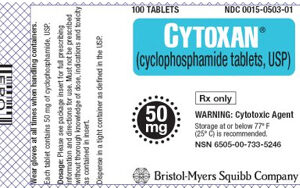
Cytoxan is the brand name for the generic drug cyclophosphamide. It is commonly known in medical practices under these names and may be referred to as such depending on the context in which it is prescribed.
Medication Class
Cytoxan belongs to a class of drugs known as alkylating agents. These agents work by interfering with the DNA of cancer cells, preventing their replication and causing cell death.
Dosage Forms
Cytoxan is available in several dosage forms including oral tablets, injectables, and powder for injection. The oral tablets come in strengths of 25 mg and 50 mg, while the injectable forms are available in concentrations suitable for intravenous administration after reconstitution.
Indications for Use
Cytoxan is indicated for the treatment of various types of cancers including Hodgkin’s lymphoma, non-Hodgkin’s lymphoma, multiple myeloma, leukemia, and ovarian carcinoma. It is also used in the treatment of retinoblastoma, neuroblastoma, and breast cancer. Additionally, Cytoxan is utilized in conditioning regimens prior to bone marrow transplantation.
Mechanism of Action
Cytoxan functions by cross-linking strands of DNA, thus inhibiting DNA replication and transcription. This alkylation process disrupts the growth of cancer cells which are more rapidly dividing compared to normal cells. The result is a cytotoxic effect that leads to cell death, aiding in the reduction of tumor size.
Pharmacokinetics
Upon oral administration, Cytoxan is well absorbed from the gastrointestinal tract. It undergoes hepatic metabolism to produce both active and inactive metabolites. The drug has a variable half-life of approximately 3 to 12 hours and is primarily excreted through the urine.
Dosing Regimens
The dosing regimen for Cytoxan varies based on the type and stage of cancer being treated, and whether it is used in combination with other chemotherapy agents. For instance, single-agent dosing might range from 40 to 50 mg/kg in divided doses over 2 to 5 days, whereas combination therapy could involve different schedules and lower individual doses.
Laboratory Monitoring
Patients undergoing treatment with Cytoxan require frequent monitoring of complete blood counts (CBC) to assess bone marrow function. Renal and hepatic functions should also be periodically evaluated to detect any drug-induced toxicities. Regular urinalysis is crucial to monitor for blood or signs of hemorrhagic cystitis.
Drug Interactions
Cytoxan can interact with several other medications including allopurinol, which may increase its cytotoxic effects. Concurrent use with other nephrotoxic or myelosuppressive agents can heighten the risk of adverse effects. Enzyme-inducing drugs may alter the metabolism of cyclophosphamide, impacting its therapeutic efficacy.
Common Side Effects
The most frequently observed side effects of Cytoxan include nausea, vomiting, alopecia, and decreased appetite. Patients may also experience mucositis, diarrhea, and fatigue. Certain individuals could manifest with skin rash or acute allergic reactions.
Long-Term Effects
Long-term use of Cytoxan can lead to complications such as cardiotoxicity and secondary malignancies, including bladder cancer. Chronic administration necessitates vigilance for signs of these severe conditions, particularly in high-dose treatment protocols.
Special Populations
In pediatric patients, dosing adjustments are essential, taking into account body surface area and the child’s growth and development status. Elderly patients may require dose reductions due to decreased renal function. Pregnant women should avoid Cytoxan due to its teratogenic potential.
Storage and Handling
Cytoxan tablets should be stored at room temperature, away from moisture and direct light. Injectable forms should be kept in accordance with specific recommendations for stability and reconstitution, typically under refrigerated conditions until ready for use.
Administration Guidelines
Oral Cytoxan tablets should be taken with a full glass of water, preferably in the morning. Adequate hydration is recommended to reduce the risk of hemorrhagic cystitis. Intravenous administration requires aseptic technique and appropriate dilution, taking precautions to avoid extravasation.
Patient Counseling Information
Patients should be informed about the importance of adherence to scheduled dosing and laboratory tests. They need to recognize signs of infection or bleeding and understand the necessity of maintaining adequate fluid intake. Fertility issues should be discussed, particularly for individuals of reproductive age.
Contraindications
Individuals with hypersensitivity to cyclophosphamide or any component of the formulation should not use Cytoxan. Patients with severe bone marrow suppression or active infections are contraindicated from receiving this therapy. Consideration should be given to concurrent conditions including significant renal or hepatic impairment.



Reviews
There are no reviews yet.