
Medication Overview
Citalopram is a selective serotonin reuptake inhibitor (SSRI) widely prescribed for treating major depressive disorder (MDD). It enhances serotonergic activity in the central nervous system by inhibiting the reuptake of serotonin.
Pharmacological Classification
Citalopram belongs to the class of medications known as selective serotonin reuptake inhibitors (SSRIs). It primarily increases serotonin levels in the brain, contributing to improved mood and emotional stability.
Brand Name Availability
This medication is available under the brand name Celexa. In addition to the branded version, generic formulations are also widely provided, ensuring broader accessibility and affordability.
Manufactured Dosage Forms
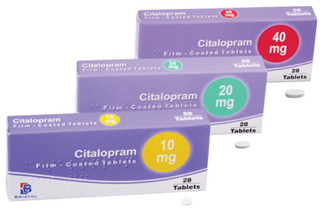
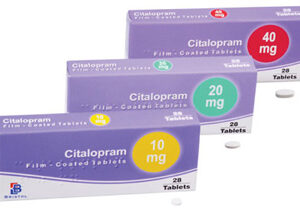
Dosage forms of Citalopram include tablets and oral solutions. Tablet strengths are typically 10 mg, 20 mg, and 40 mg, while oral solutions usually have a concentration of 10 mg/5 mL.
Mechanism of Action
Citalopram functions by selectively inhibiting the reuptake of serotonin at the presynaptic membrane, leading to increased serotonin levels within the synapse. This action aids in mood regulation by enhancing serotonergic activity.
Indications for Use
Citalopram is primarily indicated for the treatment of major depressive disorder (MDD). Off-label uses may include the treatment of generalized anxiety disorder (GAD), panic disorder, and obsessive-compulsive disorder (OCD).
Administering Instructions
Citalopram should be administered orally, with or without food. Adherence to prescribed dosage and timing is crucial for optimal therapeutic outcomes. The medication may be ingested in the morning or evening, as per physician instructions.
Titration and Adjustment
Healthcare providers may start patients on a low dose of Citalopram, gradually increasing the dosage based on response and tolerance. This titration process helps minimize potential side effects and optimize therapeutic efficacy.
Contraindications Summary
Citalopram is contraindicated in patients with known hypersensitivity to the drug or any of its components. It is also contraindicated in patients concurrently using monoamine oxidase inhibitors (MAOIs) or within 14 days of discontinuing MAOI treatment.
Drug Interactions
Potentially significant drug interactions may occur with Citalopram and other serotonergic agents, leading to serotonin syndrome. Caution is advised when co-administering with NSAIDs, anticoagulants, and other medications affecting hemostasis.
Adverse Reactions
Commonly reported adverse reactions include nausea, dry mouth, somnolence, insomnia, and increased sweating. Less common but serious adverse reactions may include serotonin syndrome, QT prolongation, and hyponatremia.
Overdose Management
In the event of overdose, immediate medical attention is essential. Symptoms may include dizziness, tremor, agitation, and altered mental status. Supportive treatment, including airway management and monitoring of vital signs, is imperative.
Specific Patient Populations
In elderly patients, caution is necessary due to potential for reduced clearance and heightened sensitivity to the drug. Adjusted doses may be required. In pediatric patients, the use of Citalopram is generally not recommended unless prescribed by a specialist.
Switching Antidepressants
When switching from another antidepressant to Citalopram, a washout period may be required to prevent adverse interactions. Consulting with a healthcare provider for an appropriate transition plan is critical.
Pregnancy and Lactation
Citalopram use during pregnancy should be based on risk-benefit analysis. Potential risks to the fetus must be weighed against the benefits to the mother. During lactation, caution is advised as the drug can be excreted in breast milk.
Medical History Considerations
A comprehensive medical history should be reviewed before prescribing Citalopram. Particular attention should be given to any history of seizures, bipolar disorder, liver or kidney impairment, and cardiovascular conditions.
Monitoring Requirements
Periodic monitoring of clinical response, as well as lab evaluations such as sodium levels and ECGs, may be recommended in long-term therapy. Regular follow-up visits ensure ongoing assessment of efficacy and safety.
Dosage and Administration
Initial dosing typically starts at 20 mg once daily, which may be increased based on clinical response to a maximum of 40 mg/day. Doses greater than this are not recommended due to the risk of QT prolongation.
Liver Function Impairment
For patients with hepatic impairment, lower doses of Citalopram are recommended. Regular liver function tests may be necessary to monitor for potential hepatotoxicity.
Renal Function Impairment
Patients with severe renal impairment should use Citalopram with caution. Dose adjustment is generally not required for mild to moderate renal impairment.
Food and Alcohol Interaction
Citalopram can be taken with or without food. The use of alcohol is generally discouraged, as it can increase the sedative effects and potentiate adverse reactions.
Behavioral and Mood Changes
Patients should be monitored for worsening depression and emergence of suicidal thoughts, particularly during initial treatment phases. Any significant mood changes should be promptly reported to healthcare providers.



Reviews
There are no reviews yet.