
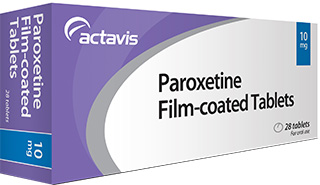
Active Ingredient
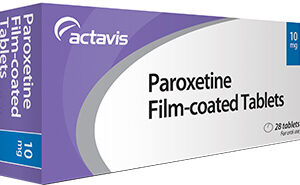
Paroxetine contains the active ingredient paroxetine hydrochloride. It belongs to a class of medications known as selective serotonin reuptake inhibitors (SSRIs). It is commonly used to treat depression, anxiety disorders, and other mental health conditions by affecting chemicals in the brain that may become unbalanced.
Therapeutic Uses
Paroxetine is prescribed for treating major depressive disorder, generalized anxiety disorder, panic disorder, social anxiety disorder, and post-traumatic stress disorder. It is also used in managing premenstrual dysphoric disorder and obsessive-compulsive disorder.
Dosage Forms
Paroxetine is available in various forms including immediate-release tablets, extended-release tablets, and oral suspension. The dosage strengths of immediate-release tablets generally range from 10 mg to 40 mg, while extended-release tablets commonly come in doses of 12.5 mg to 37.5 mg.
Administration Method
Paroxetine should be administered orally with a glass of water. It can be taken with or without food, although taking it with food can help reduce gastrointestinal side effects. Follow the prescribed dosage carefully and do not crush or chew extended-release tablets.
Initial Dosage
The initial dosage for most adults typically starts at 20 mg once daily for immediate-release tablets, or 12.5 mg once daily for extended-release tablets. The dosage may be adjusted by the healthcare provider based on the patient’s response and clinical condition.
Maximum Dosage
The maximum recommended dosage for immediate-release paroxetine is generally 50 mg per day for depression and anxiety disorders. For extended-release tablets, the highest suggested dose is usually 75 mg daily, depending on the condition being treated.
Titration Process
Dosage titration for paroxetine should be done gradually, usually in increments of 10 mg per week for immediate-release or 12.5 mg for extended-release forms. This helps in minimizing side effects and allows for better symptom management.
Drug Interactions
Paroxetine can interact with other medications, such as monoamine oxidase inhibitors (MAOIs), thioridazine, and pimozide, leading to potentially serious effects. Interaction with blood thinners and other SSRIs or SNRIs should also be monitored closely by healthcare professionals.
Common Side Effects
Patients may experience side effects including nausea, dizziness, drowsiness, dry mouth, loss of appetite, sweating, and sexual dysfunction. These side effects are generally mild and may subside as the body adjusts to the medication.
Severe Side Effects
More severe side effects can include serotonin syndrome, which presents as agitation, hallucinations, fever, sweat, shivering, rapid heart rate, and muscle stiffness. Additionally, significant mood changes, unusual thoughts, or behaviors should be promptly reported to a healthcare provider.
Storage Guidelines
Store paroxetine at room temperature, away from moisture, light, and heat. Ensure that it is kept out of reach of children and that the bottle is tightly closed when not in use to maintain the medication’s efficacy.
Missed Dose Action
If a dose is missed, it should be taken as soon as remembered unless it is close to the time for the next dose. Do not double the next dose to make up for the missed dose, as this could increase the risk of side effects.
Overdose Protocol
In case of an overdose, immediate medical attention is required. Symptoms of overdose may include severe dizziness, tremors, seizures, or coma. Medical professionals may provide supportive treatment and monitor vital signs in such scenarios.
Special Populations
Caution is advised when prescribing paroxetine to elderly patients, individuals with severe renal or hepatic impairment, and those with a history of bipolar disorder or seizures. Dose adjustment and close monitoring may be necessary for these populations.
Pregnancy Categories
Paroxetine falls under Pregnancy Category D, indicating potential risks to the fetus. It should be used during pregnancy only if the potential benefit justifies the potential risk to the fetus. Consultation with a healthcare provider is crucial for pregnant or planning-to-become-pregnant women.
Breastfeeding Considerations
Paroxetine is excreted in human milk. Breastfeeding while taking paroxetine is generally not recommended as it may adversely affect the nursing infant. Alternatives should be discussed with a healthcare provider.
Withdrawal Symptoms
Discontinuing paroxetine abruptly may result in withdrawal symptoms such as dizziness, sensory disturbances, agitation, anxiety, nausea, and flu-like symptoms. Gradual dose reduction under medical supervision is recommended to minimize withdrawal effects.
Monitoring Parameters
Patients on paroxetine should be monitored regularly for clinical worsening, suicidality, or unusual behavior changes, particularly during the initial treatment period or when doses are adjusted. Regular follow-up with healthcare providers ensures safe and effective use.
Mechanism of Action
Paroxetine works by selectively inhibiting the reuptake of serotonin in the brain, thereby increasing its levels in the synaptic cleft. This helps improve mood and reduce symptoms of depression and anxiety.
Pharmacokinetics Summary
Paroxetine is well absorbed after oral administration, reaching peak plasma concentrations within 6 hours. It has an elimination half-life of approximately 21 hours and is extensively metabolized in the liver, primarily via the CYP2D6 enzyme.


Reviews
There are no reviews yet.