

Active Ingredients
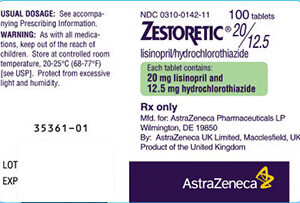
Zestoretic is a combination medication containing two active ingredients, Lisinopril and Hydrochlorothiazide. Lisinopril is an angiotensin-converting enzyme (ACE) inhibitor, which helps relax blood vessels, while Hydrochlorothiazide is a thiazide diuretic that helps reduce fluid retention by increasing urine production.
Dosage Forms
Zestoretic is available in oral tablet form in different strengths: Zestoretic 10-12.5 mg, Zestoretic 20-12.5 mg, and Zestoretic 20-25 mg. The first number represents the amount of Lisinopril, and the second number indicates the amount of Hydrochlorothiazide.
Indications for Use
Zestoretic is primarily indicated for the treatment of hypertension (high blood pressure). It is used when blood pressure is not adequately controlled by a single-agent therapy, aiming to reduce the risk of cardiovascular events such as strokes and heart attacks.
Mechanism of Action
Lisinopril works by inhibiting the enzyme that converts angiotensin I to angiotensin II, leading to vasodilation and reduced blood pressure. Hydrochlorothiazide reduces blood volume by promoting renal excretion of sodium and water, which further adds to the antihypertensive effect.
Administration Guidelines
Zestoretic should be taken orally once daily, preferably in the morning, with or without food. Consistency in timing helps maintain stable therapeutic levels. The tablet should be swallowed whole with a sufficient amount of water.
Storage Instructions
Store Zestoretic at room temperature between 20°C to 25°C (68°F to 77°F), in a tightly closed container. Protect from moisture and light. Keep out of reach of children and pets to avoid accidental ingestion.
Pharmacokinetics
Lisinopril has an absorption rate of approximately 25% and reaches peak plasma concentrations in about 7 hours. Its elimination half-life is around 12 hours. Hydrochlorothiazide is rapidly absorbed from the gastrointestinal tract and has an elimination half-life of 6-15 hours. It is excreted primarily in urine.
Drug Interactions
Zestoretic may interact with various medications including NSAIDs, potassium supplements, lithium, insulin or oral antidiabetics, and certain other antihypertensives. These interactions may alter the effectiveness of Zestoretic or increase the risk of adverse effects.
Potential Side Effects
Common side effects include dizziness, headache, fatigue, and cough. Adverse reactions such as hypotension, electrolyte imbalances, and kidney dysfunctions may occur. Severe reactions warrant immediate medical attention.
Renal Impairment Considerations
Patients with renal dysfunction require careful monitoring as Lisinopril and Hydrochlorothiazide may affect renal function. Adjustments in dosing or frequency may be necessary depending on the severity of the impairment.
Pregnancy and Lactation
Zestoretic is contraindicated during pregnancy, especially in the second and third trimesters, due to the risk of fetal toxicity. Caution is advised during lactation as Lisinopril and Hydrochlorothiazide may pass into breast milk.
Patient Monitoring
Patients on Zestoretic should be regularly monitored for blood pressure, renal function, and electrolyte levels to ensure optimal therapeutic effects and to identify any potential adverse reactions promptly.
Dose Adjustments
Dosage adjustments may be required for elderly patients or those with existing medical conditions that may interfere with the metabolism or excretion of the drug. Tailoring the dose helps minimize potential side effects.
Discontinuation Protocols
Gradual tapering of the dose is recommended when discontinuing Zestoretic to prevent rebound hypertension. Abrupt cessation should be avoided. Consult with a healthcare provider for a tailored discontinuation plan.
Pharmacodynamic Properties
Lisinopril reduces vascular resistance without significantly affecting heart rate, while Hydrochlorothiazide promotes diuresis and decreases plasma volume, maximizing antihypertensive efficacy without predominant cardiac effects.
Long-Term Use
Long-term use of Zestoretic requires ongoing assessment of renal function, electrolytes, and blood pressure. Regular check-ups help in early detection of any adverse effects and adjustment of therapy as needed.
Alcohol Interaction
Alcohol may enhance the blood pressure-lowering effect of Zestoretic, leading to increased risks of dizziness and fainting. Limiting alcohol intake is advised while on this medication.
Lab Test Interference
Hydrochlorothiazide may interfere with certain laboratory tests, particularly those measuring parathyroid function. Clinicians should be aware of this potential interference when interpreting test results.
Hepatic Considerations
In patients with liver dysfunction, careful monitoring and potential dose adjustment of Zestoretic are necessary. Impaired liver function can affect drug metabolism and clearance, leading to increased risks of toxicity.
Patient Education
Patients should be educated on the importance of adherence to prescribed doses, potential side effects, and the importance of regular monitoring. They should report any unusual symptoms promptly to their healthcare provider.
Alternatives Available
Other antihypertensive combinations like enalapril-hydrochlorothiazide and captopril-hydrochlorothiazide are available for patients who may not tolerate Zestoretic. Evaluating individual patient profiles helps in selecting appropriate alternative therapies.
Cost and Availability
Zestoretic is available under both generic and brand names, with price variations depending on insurance coverage and pharmacy. Patients should be counseled on available options to ensure affordability and adherence.


Reviews
There are no reviews yet.