

Purpose and Uses
Dipyridamole is prescribed to inhibit platelet aggregation and reduce the risk of thromboembolic events. It is often used in combination with other anticoagulants such as warfarin. Common conditions treated include preventing stroke in individuals with a history of thromboembolic disease.
Mechanism of Action
Dipyridamole acts primarily by inhibiting phosphodiesterase, leading to an increase in cyclic adenosine monophosphate (cAMP) in platelets. This inhibition reduces platelet activation and aggregation. Additionally, dipyridamole may directly stimulate the release of prostacyclin from blood vessels, adding to its antithrombotic effects.
Dosage Forms Available
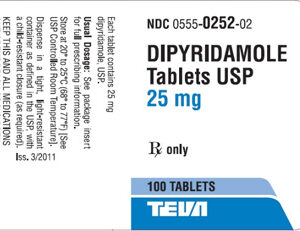
Dipyridamole is available in oral tablet form, usually with strengths of 25 mg, 50 mg, and 75 mg. It is also available in a combined form with aspirin. An injectable form is available for diagnostic use in stress testing of the heart.
Administration Guidelines
Dipyridamole tablets should be taken orally, with or without food, as directed by a healthcare provider. Consistency in administration relative to meals is encouraged to maintain stable plasma drug levels. Injectable forms are administered by healthcare professionals during diagnostic procedures.
Pharmacokinetics
After oral administration, dipyridamole is absorbed with peak plasma concentrations occurring approximately 75 minutes post-dose. The drug has a bioavailability of 37-66%. It is predominantly metabolized in the liver, and metabolites are primarily excreted in the bile.
Interactions with Other Drugs
Dipyridamole may interact with anticoagulants and other medications affecting hemostasis, potentially increasing bleeding risk. Its efficacy may be reduced by concurrent use of drugs such as xanthine derivatives, which counteract its effects. It may potentiate the hypotensive effects of antihypertensive drugs.
Storage Conditions
Dipyridamole tablets should be stored at room temperature, away from excessive heat and moisture. They should be kept in a tightly closed container to maintain their potency. Injectable forms should be stored following specific guidelines provided by the manufacturer, usually at controlled room temperatures.
Special Populations
In elderly patients, careful dose adjustment and monitoring are required due to potential decreased liver function. Adjustments may also be necessary for individuals with kidney disease, as the drug and its metabolites are partially excreted renally. Use in pregnancy should be based on a clear need due to limited data on safety.
Common Side Effects
The most common side effects reported with dipyridamole use include headache, dizziness, and gastrointestinal disturbances such as nausea and diarrhea. These effects are typically mild and transient, often resolving with continued use or dose adjustment.
Serious Adverse Effects
Serious adverse effects can include hypersensitivity reactions like rash, itching, and in rare cases, anaphylaxis. Myocardial ischemia has been reported in some cases with the use of injectable forms during stress testing. Close monitoring for these effects is essential.
Contraindications
Dipyridamole is contraindicated in patients with hypersensitivity to any component of the medication. It is also contraindicated in patients with certain conditions such as unstable angina and hypotension, where its vasodilatory effects could pose severe risks.
Monitoring Parameters
Monitoring of liver function tests is recommended periodically due to hepatic metabolism. Regular blood pressure monitoring is also advisable to detect any hypotensive effects early. Additionally, periodic assessment of renal function is useful, especially in patients with preexisting conditions.
Patient Counseling Points
Patients should be advised to report any signs of bleeding, such as unusual bruising or blood in stool or urine, promptly. They should also be instructed to maintain adherence to prescribed regimens and to consult their healthcare provider before starting any new medication, including over-the-counter drugs.
Combination Therapy
Dipyridamole is often used in combination with other antithrombotic agents like aspirin or warfarin for enhanced therapeutic effects. These combinations require careful dosing and monitoring to balance efficacy with the risk of bleeding. Combination therapy is particularly common in preventing recurrent stroke or other thromboembolic events.
Diagnostic Use
The injectable form of dipyridamole is employed in myocardial perfusion imaging to evaluate coronary artery disease. By inducing coronary vasodilation, it allows for the assessment of myocardial blood flow under stress conditions. This use requires administration by trained healthcare professionals.





Reviews
There are no reviews yet.