
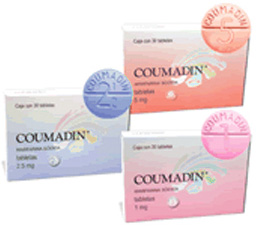
Drug Composition
Coumadin, also known as warfarin, contains the active ingredient warfarin sodium. It is available in tablet form with varying strengths ranging from 1 mg to 10 mg. Excipients in the tablet include lactose, maize starch, and magnesium stearate.
Mechanism of Action
Coumadin functions as an anticoagulant by inhibiting the synthesis of vitamin K-dependent clotting factors. Its primary action is to reduce the synthesis of Factor II (prothrombin), Factor VII, Factor IX, and Factor X, thereby preventing thrombus formation.
Indications and Usage
Coumadin is prescribed for the treatment and prevention of venous thrombosis and its extension, pulmonary embolism, and thromboembolic complications associated with atrial fibrillation and cardiac valve replacement. It is also used to reduce the risk of recurrent myocardial infarction and stroke.
Dosage and Administration
Individualized dosing of Coumadin is required, typically ranging from 2 mg to 10 mg per day. Frequent blood tests, particularly the International Normalized Ratio (INR), guide the adjustment of dosage to maintain therapeutic ranges. Initiation can be done orally or intravenously.
Pharmacokinetics
Coumadin is rapidly absorbed with a bioavailability of nearly 100%. It exhibits 99% protein binding primarily to albumin. Metabolism primarily occurs in the liver via the enzymatic action of CYP2C9. The drug has a half-life ranging from 20 to 60 hours.
Drug Interactions
Concurrent use of Coumadin with other medications such as NSAIDs, antiplatelet agents, and selective serotonin reuptake inhibitors (SSRIs) can potentiate bleeding risk. Drugs inducing or inhibiting CYP2C9 can respectively decrease or increase Coumadin’s effects, necessitating dose adjustments.
Food Interactions
Vitamin K-rich foods such as green leafy vegetables can antagonize the anticoagulant effect of Coumadin. Consistent dietary intake of such foods is recommended to avoid significant INR fluctuations. Cranberry juice and alcohol can enhance the effect of Coumadin and should be consumed with caution.
Monitoring Parameters
Regular INR testing is critical to ensure therapeutic efficacy and minimize bleeding risks. Liver function tests and complete blood counts should be performed periodically. Monitoring for signs of bleeding and thromboembolic events is essential.
Common Side Effects
Minor bleeding episodes, such as nosebleeds, bleeding gums, and bruising, are frequent. Warfarin-induced skin necrosis and purple toe syndrome are rare but serious. Gastrointestinal upset may also occur.
Overdose Management
In case of overdose, immediate INR testing is warranted. Administration of vitamin K1 (phytonadione) orally or intravenously is the primary treatment. Fresh frozen plasma or prothrombin complex concentrate may be necessary for severe cases.
Special Populations
Elderly patients may exhibit increased sensitivity to Coumadin and usually require lower doses. In individuals with hepatic impairment, dose adjustment is crucial due to altered drug metabolism. Pregnant women should avoid Coumadin due to the risk of fetal harm.
Patient Counseling
Patients should be advised to adhere strictly to prescribed dosages and to report any signs of abnormal bleeding. They should be educated about maintaining a consistent dietary intake of vitamin K and avoiding activities that pose a high risk of injury.
Contraindications
Coumadin is contraindicated in individuals with a high risk of bleeding, including those with active peptic ulcer disease, recent neurosurgery, or decompensated liver disease. It is also contraindicated in those with hypersensitivity to warfarin or any component of the drug formulation.
Storage Conditions
Store Coumadin at room temperature, between 20°C to 25°C (68°F to 77°F). Protect from light and moisture. Keep the medication in its original container and out of reach of children.
Discontinuation Protocol
Gradual tapering is suggested to mitigate rebound hypercoagulability. Transition to an alternative anticoagulant may be necessary based on clinical indication. Close monitoring of INR is advised during the discontinuation phase.


Reviews
There are no reviews yet.