

What is Clindamycin
Clindamycin is an antibiotic belonging to the lincosamide class. It is used to treat a variety of bacterial infections. Its mechanism involves inhibiting bacterial protein synthesis.
Common Uses
Clindamycin is commonly prescribed for skin and soft tissue infections. It is also effective against respiratory tract infections and severe acne. Additionally, it is used for treatment of intra-abdominal infections.
Forms and Strengths
Clindamycin is available in multiple forms: oral capsules, topical solutions, and injectables. Oral capsules typically come in 150 mg and 300 mg strengths. Topical formulations often include 1% solution or lotion.
Dosage Instructions
Adults usually take 150-450 mg every 6 hours for oral administration. The dosage may vary based on the infection type and severity. Pediatric dosages are calculated based on weight, typically 8-20 mg/kg/day divided into three or four doses.
Mechanism of Action
Clindamycin works by binding to the 50S subunit of bacterial ribosomes. This action inhibits peptide bond formation, thereby halting protein synthesis. It is bacteriostatic at low concentrations and bactericidal at higher concentrations.
Pharmacokinetics
Clindamycin is well absorbed orally with a bioavailability of approximately 90%. Peak plasma concentrations are reached within 1 hour after oral administration. It has a half-life of 2-3 hours and is primarily excreted in bile.
Drug Interactions
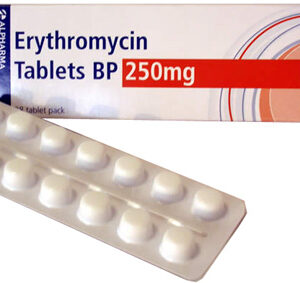
Co-administration with erythromycin may result in antagonistic effects. Clindamycin may enhance the effects of neuromuscular blocking agents. It can also interact with cytochrome P450 enzymes, affecting the metabolism of other drugs.
Adverse Reactions
Common adverse reactions include gastrointestinal disturbances like diarrhea, nausea, and abdominal pain. Severe reactions may include Clostridium difficile-associated diarrhea and allergic reactions such as rash or pruritus.
Contraindications
Clindamycin is contraindicated in patients with a history of hypersensitivity to lincosamides. It should also be avoided in those with a history of ulcerative colitis or enteritis, particularly caused by antibiotic use.
Special Populations
Clindamycin should be used with caution in elderly patients due to age-related organ function decline. Dosage adjustments may be necessary in patients with hepatic impairment. Pregnant women should only use it if clearly needed.
Storage Instructions
Store oral capsules at room temperature, between 20°C to 25°C (68°F to 77°F). Topical solutions should also be stored at controlled room temperature. Keep all forms of this medication away from excess moisture and heat.
Clinical Efficacy
Clinical trials have demonstrated clindamycin’s efficacy in treating various infections. Its effectiveness in combination therapy for certain conditions, such as bacterial vaginosis, has been well-documented.
Resistance Potential
Bacterial resistance to clindamycin may develop, particularly in Staphylococcus aureus and Streptococcus species. Resistance mechanisms may include methylation of ribosomal RNA, preventing drug binding.
Monitoring Requirements
Patients on prolonged clindamycin therapy should undergo periodic liver and kidney function tests. Monitoring for signs of antibiotic-associated colitis is crucial during therapy. White blood cell counts may need to be checked in some cases.
Patient Counselling Information
Patients should be informed about the importance of completing the prescribed course. They should be advised to take clindamycin with a full glass of water to avoid esophageal irritation. Report any severe gastrointestinal symptoms immediately.
Preparation and Administration
For intravenous administration, clindamycin phosphate should be diluted with appropriate IV fluids. Infuse over at least 10-60 minutes depending on dose. Do not administer as an IV bolus.
Available Brands
In various regions, clindamycin is marketed under brand names such as Cleocin, Dalacin, and ClindaMax. Formulations and availability may differ between manufacturers.



Reviews
There are no reviews yet.