
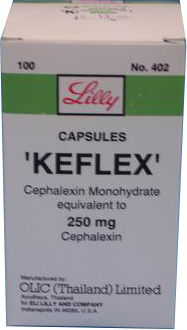
Generic Name
Cefalexin is the generic name for Keflex.
Drug Classification
Keflex is classified as a first-generation cephalosporin antibiotic.
Mechanism of Action
Keflex works by inhibiting bacterial cell wall synthesis. It binds to penicillin-binding proteins, interfering with cell wall production, ultimately causing bacterial cell death.
Indications
Keflex is used to treat a variety of bacterial infections. These include respiratory tract infections, otitis media, skin and skin structure infections, and bone infections.
Dosage Forms
Keflex is available in several dosage forms. These include capsules, tablets, and oral suspension.
Adult Dosage
The typical adult dosage for Keflex varies based on the type and severity of infection. For mild to moderate infections, the usual dose is 250 mg every 6 hours or 500 mg every 12 hours. For more severe infections, doses may be higher.
Pediatric Dosage
For children, the dose of Keflex is typically based on body weight. The usual dose is 25 to 50 mg/kg/day in divided doses. For more severe infections, a higher dose may be recommended.
Renal Impairment
In patients with renal impairment, dose adjustment of Keflex may be necessary. Close monitoring of renal function is advisable to prevent toxicity.
Hepatic Impairment
Keflex is not significantly metabolized in the liver. Therefore, no dosage adjustment is typically required for patients with hepatic impairment.
Drug Interactions
Keflex may interact with certain drugs. These include probenecid, which can increase cefalexin levels, and metformin, which may result in lower glucose levels. Close monitoring and dosage adjustments may be necessary.
Common Side Effects
Common side effects of Keflex include gastrointestinal upset, diarrhea, nausea, and vomiting. These effects are usually mild and transient.
Serious Side Effects
Serious side effects can occur with Keflex. These include severe allergic reactions, Clostridium difficile-associated diarrhea, and Stevens-Johnson syndrome. Immediate medical attention is necessary if these occur.
Contraindications
Keflex is contraindicated in patients with a known allergy to cephalosporins. Caution is advised in patients with a history of penicillin allergy, as cross-reactivity can occur.
Pregnancy and Lactation
Keflex is classified as pregnancy category B. It should be used during pregnancy only if clearly needed. Cefalexin is excreted in breast milk, and caution is advised when administering to nursing mothers.
Administration Instructions
Keflex should be taken as directed by a healthcare provider. It can be taken with or without food. The oral suspension should be shaken well before use and measured with an appropriate device.
Storage Conditions
Store Keflex capsules and tablets at room temperature, away from moisture and heat. Oral suspension should be refrigerated and discarded after 14 days.
Missed Dose
If a dose of Keflex is missed, take it as soon as you remember. If it is almost time for the next dose, skip the missed dose. Do not double the dose to catch up.
Overdose Management
In the event of an overdose with Keflex, immediate medical attention is necessary. Symptoms of overdose may include nausea, vomiting, and diarrhea. Treatment is supportive and symptomatic.
Monitoring Requirements
Patients on long-term Keflex therapy should be monitored for signs of superinfection. Periodic assessment of renal and hepatic function may be recommended.
Resistance Development
Use of Keflex can lead to the development of bacterial resistance. It should be used only to treat infections that are proven or strongly suspected to be caused by susceptible bacteria.
Patient Counseling Points
Patients should be informed about the importance of completing the full course of therapy. They should also be advised to report any severe or unusual side effects to their healthcare provider promptly.



Reviews
There are no reviews yet.