
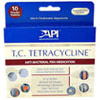
Medication Name
Mechanism of Action
Tetracycline binds to the 30S subunit of bacterial ribosomes, inhibiting protein synthesis. This action prevents bacterial growth and replication. It is primarily bacteriostatic but can be bactericidal at higher concentrations. Detailed mechanism involves interference with tRNA attachment in translation.
Indications for Use
Tetracycline is prescribed for bacterial infections including respiratory tract infections, acne, and urinary tract infections. It treats sexually transmitted infections such as chlamydia and syphilis. Additionally, it is effective against certain rickettsial infections and is used in the management of certain gastrointestinal infections, including Helicobacter pylori.
Dosage Information
Adults typically take 250-500 mg every 6 hours. Pediatric dosing is weight-dependent, generally 25-50 mg/kg/day divided into 4 doses. For severe infections, the dosage may be increased upon physician discretion. Always complete the prescribed course of the drug.
Administration Instructions
Tetracycline should be taken on an empty stomach, one hour before or two hours after meals. Avoid taking it with dairy products or calcium supplements as these can interfere with absorption. Ingest each dose with a full glass of water to prevent esophageal irritation or ulceration.
Side Effects
Common side effects include gastrointestinal disturbances such as nausea, vomiting, and diarrhea. Photosensitivity reactions can occur, necessitating the use of sun protection. Tetracycline can lead to discoloration of teeth if used in children under 8 years or during pregnancy. Other side effects include dizziness and headache.
Pharmacokinetics
After oral administration, tetracycline is well absorbed from the gastrointestinal tract, but absorption can be reduced by dairy products. The drug reaches peak plasma concentrations in 2-4 hours. It is widely distributed in body tissues and fluids, and approximately 70-80% of the dose is excreted unchanged in the urine. The half-life ranges between 6-12 hours.
Drug Interactions
Concurrent use with antacids, iron supplements, or products containing calcium can reduce the effectiveness of tetracycline. It may potentiate the effects of anticoagulants, leading to increased bleeding risk. Avoid concurrent use with penicillin as it can diminish penicillin’s bactericidal effect. Monitor for interactions with other antibiotics and diuretics.
Renal and Hepatic Impairment
In patients with renal impairment, the dose should be adjusted to prevent accumulation and toxicity. Tetracycline should be used with caution in patients with hepatic impairment as it is metabolized by the liver. Monitor liver function tests regularly during prolonged use.
Contraindications
Use of tetracycline is contraindicated in individuals with a known hypersensitivity to tetracyclines. It should not be used in pregnant women due to the risk of fetal harm. Contraindicated in children under 8 years of age due to permanent teeth discoloration and potential bone growth retardation. Also contraindicated in patients with severe renal or hepatic impairment.
Special Populations
Pregnant and nursing women should avoid tetracycline due to potential adverse effects on the fetus and breastfed infants. Elderly patients may require dose adjustments due to decline in renal function with age. Pediatric patients under 8 years should not receive tetracycline due to risks of teeth discoloration and bone growth interference.
Monitoring Parameters
Regular monitoring of renal and liver function is recommended during prolonged therapy. Blood counts should be checked periodically for signs of bone marrow suppression. Additionally, monitor for symptoms of photosensitivity, especially during long-term use.
Proper Storage
Store tetracycline at room temperature, away from moisture, heat, and direct light. Keep the medication in its original container with the lid tightly closed. Discard any expired or unused medication according to local pharmaceutical disposal guidelines.
Patient Counseling Points
Advise patients to take tetracycline on an empty stomach with a full glass of water. Inform them about the potential for photosensitivity and recommend protective measures against sun exposure. Emphasize the importance of completing the full course of therapy even if symptoms improve. Discuss the potential impact of food and other medications on tetracycline absorption.
Laboratory Test Interference
Tetracycline may interfere with certain laboratory tests, including urine catecholamine assays. Inform laboratory personnel that the patient is taking tetracycline to avoid misinterpretation of test results. Additionally, it may cause false-positive results in certain protein-bound iodine tests.
Formulations Available
Tetracycline is available in oral tablet and capsule forms, typically in 250 mg and 500 mg strengths. It is also available in topical formulations for the treatment of acne. Availability of oral suspension formulations facilitates administration in pediatric and elderly patients who may have difficulty swallowing tablets or capsules.
Biochemical Properties
Tetracycline is a yellow crystalline powder that is soluble in water. It belongs to the class of tetracycline antibiotics produced by Streptomyces bacteria. The chemical structure includes a substituted naphthacene ring system, characteristic of the tetracyclines, which is essential for its antibacterial activity.





Reviews
There are no reviews yet.