

Medication Description
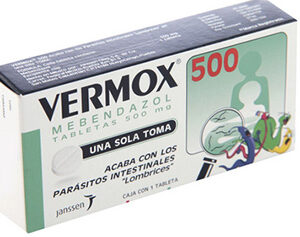
Vermox (mebendazole) is an antihelminthic medication used to treat parasitic worm infections. It interferes with the synthesis of the parasite’s microtubules, effectively inhibiting glucose uptake and other essential nutrients, leading to the death of the worm.
Therapeutic Indications
Vermox is prescribed for a variety of worm infections including pinworm, roundworm, whipworm, and hookworm. It is also indicated for the treatment of multiple worm infections concurrently to eradicate mixed infections effectively.
Dosage Instructions
The standard dosage for adults and children over 2 years of age is one 100 mg tablet taken orally. For certain infections, a second dose may be required after a few weeks. Always follow specific medical advice from a healthcare provider.
Administration Guidelines
Vermox should be taken with water, and can be taken with or without food. It can be chewed or swallowed whole. Consistent dosing times are advised for optimal efficacy.
Pharmacokinetics
Vermox demonstrates poor absorption in the gastrointestinal tract, with a bioavailability of approximately 20%. It undergoes significant first-pass metabolism in the liver to inactive metabolites and is primarily excreted in feces.
Mechanism of Action
Mebendazole, the active ingredient in Vermox, binds to beta-tubulin of the parasites, disrupting microtubule formation. The inhibition of glucose uptake and depletion of glycogen stores leads to energy depletion and death of the parasites.
Contraindications
Vermox is contraindicated in patients with a known hypersensitivity to mebendazole or any component of the formulation. It should not be used in pregnant women unless absolutely necessary and prescribed by a healthcare provider.
Potential Drug Interactions
Simultaneous use of Vermox and certain medications like cimetidine and metronidazole can increase plasma concentrations of mebendazole, heightening risk of adverse effects. Always consult a healthcare provider before combining with other treatments.
Adverse Reactions
Common adverse reactions include gastrointestinal symptoms such as abdominal pain, diarrhea, and flatulence. More serious reactions can include hypersensitivity reactions, such as rashes, and hematological effects such as neutropenia.
Special Populations
Use in individuals under 2 years of age is not typically recommended without medical supervision. Caution is also advised in patients with liver impairment, due to the potential for altered drug metabolism and increased toxicity.
Storage Conditions
Store Vermox at room temperature, between 20°C and 25°C (68°F and 77°F). Ensure the medication is kept in a tightly sealed container away from moisture and direct light. Keep out of reach of children.
Overdose Management
In cases of overdose, symptomatic and supportive treatment is recommended. Symptoms of overdose may include severe gastrointestinal distress. Immediate consultation with a healthcare professional is advised.
Formulation and Packaging
Vermox is available in tablet form, with each tablet containing 100mg of mebendazole. The tablets are often packaged in blister packs to maintain their stability and effectiveness until the time of use.
Patient Counseling Information
Patients should be informed about the importance of completing the full course of treatment even if symptoms improve. They should be advised on personal hygiene measures to prevent reinfection and advised on the importance of washing hands, cutting nails short, and regular washing of clothes and bed linens.
Environmental Impact
Improper disposal of pharmaceuticals can lead to environmental harm. Patients should be counseled on safe disposal methods, such as drug take-back programs, to prevent contamination of water supplies and harm to wildlife.
Laboratory Monitoring
In the case of prolonged therapy or re-treatment, liver function tests and blood counts may be monitored to detect early signs of hematological abnormalities or hepatic dysfunction, ensuring safe use of the medication.
Antiparasitic Resistance
Resistance to mebendazole is rare but possible, particularly with improper use such as incomplete courses or low dosages. Awareness of resistance patterns in certain geographical areas may guide therapeutic choices and dosing schedules.
Prescription Status
In many jurisdictions, Vermox is a prescription-only medication, reinforcing the necessity for professional medical oversight in its use. Patients should always consult healthcare providers for issuance and renewals of prescription.
Animal Data
Studies in animals have shown embryotoxic and teratogenic effects at high doses of mebendazole. These findings underline the need for caution in prescribing Vermox to pregnant women and the potential need for reproductive toxicity studies in human subjects.

Reviews
There are no reviews yet.