
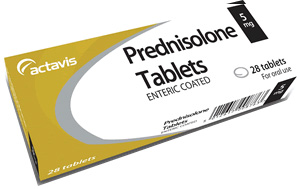
Prednisolone Medication Guide
Drug Classification
Prednisolone belongs to a class of drugs known as corticosteroids. These medications are used to suppress inflammation and the immune response. As a glucocorticoid, Prednisolone influences numerous physiological systems.
Mechanism of Action
Prednisolone works by mimicking the effects of naturally occurring corticosteroids produced by the adrenal glands. It minimizes the effects of pro-inflammatory substances and reduces immune system activity through multiple pathways, including inhibition of phospholipase A2 and cytokine production.
Indications and Uses
Indicated for a wide range of conditions, Prednisolone treats autoimmune diseases such as rheumatoid arthritis, inflammatory conditions like asthma, and various allergic reactions. Additionally, it is used in the management of adrenal insufficiency and certain types of cancer.
Dosage Forms Available
Prednisolone is available in various forms including tablets, oral suspension, and injectable solutions. The selection of dosage form depends on the specific medical condition being treated and the patient’s needs.
Standard Dosage Guidelines
Adult dosage generally ranges from 5 mg to 60 mg per day, based on the severity of the condition. Pediatric dosage is often weight-based. Always follow the prescribing physician’s exact dosage instructions as they can significantly vary.
Administration Instructions
Oral Prednisolone should be taken with food or milk to minimize gastrointestinal discomfort. The dosage should be taken at consistent intervals, often in the morning, to align with the body’s natural cortisol production cycle. Injectable forms must be administered by a healthcare professional.
Common Side Effects
Possible side effects include increased appetite, weight gain, insomnia, and mood swings. Long-term use may result in more serious effects such as osteoporosis, hypertension, and glaucoma. Inform your doctor if any side effects become intolerable or worsen.
Drug Interactions
Prednisolone may interact with nonsteroidal anti-inflammatory drugs (NSAIDs), anticoagulants like warfarin, and certain vaccines. It can also affect blood sugar levels, necessitating adjustments in diabetes medications.
Precautionary Measures
Patients with existing health conditions such as diabetes, hypertension, and gastrointestinal ulcers should exercise caution. Regular monitoring via blood tests and medical evaluations is essential to avoid complications during prolonged use.
Impact on Vaccinations
Live vaccines should be avoided as Prednisolone may weaken the immune response. Inactivated vaccines may be required to maintain immunization status. Consult healthcare providers before receiving any vaccines while on Prednisolone.
Use in Pregnancy
Prednisolone should only be used during pregnancy if clearly needed. It crosses the placenta, potentially affecting the fetus. Close monitoring is required for pregnant women taking this medication.
Breastfeeding Considerations
Prednisolone can be excreted in small amounts into breast milk. The potential benefits of the drug should be weighed against the possible risks to the breastfeeding infant. Consult healthcare professionals for personalized advice.
Storage Instructions
Store Prednisolone at room temperature, away from light and moisture. Do not store in the bathroom. Keep it securely out of reach of children and pets. Unused or expired medication should be disposed of properly, following local guidelines.
Missed Dose Protocol
If a dose is missed, take it as soon as possible. If it’s almost time for the next dose, skip the missed dose and resume the regular dosing schedule. Do not double the dose to catch up.
Overdose Actions
In case of overdose, seek emergency medical attention. Symptoms may include severe nausea, vomiting, dizziness, and fainting. Immediate intervention can prevent serious complications.



Reviews
There are no reviews yet.