
Active Ingredient Information
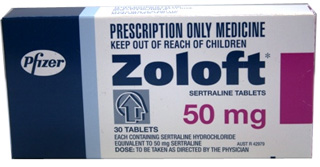
The active ingredient in Zoloft is Sertraline. Sertraline functions as a selective serotonin reuptake inhibitor (SSRI). It primarily works by increasing levels of serotonin in the brain to help improve mood.
Indications for Use
Zoloft is indicated for the treatment of major depressive disorder in adults. It is also used for social anxiety disorder, panic disorder, and obsessive-compulsive disorder in both adults and children aged six and older. In some cases, it is prescribed for post-traumatic stress disorder (PTSD) and premenstrual dysphoric disorder (PMDD).
Dosage and Administration
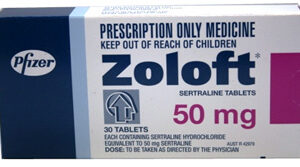
The initial dosage for adults with depression or obsessive-compulsive disorder is typically 50 mg once daily. Depending on the patient’s response, the dose can be adjusted in increments of 25-50 mg at intervals of at least one week, with a maximum daily dose of 200 mg. For panic disorder, PTSD, and social anxiety disorder, a lower starting dose of 25 mg daily is often recommended, which can be increased to 50 mg after one week.
Dosing Considerations
Dosage adjustments are needed for elderly patients and those with liver impairment. For geriatric patients, monitoring is essential due to the potential for altered pharmacokinetics. The same is true for patients with hepatic insufficiency; a lower or less frequent dosing regimen may be necessary.
Mechanism of Action
Zoloft prevents the reuptake of serotonin by neurons, increasing its availability in synaptic spaces. This enhances neurotransmission and contributes to its antidepressant and anxiolytic effects. The drug’s action on serotonin pathways helps in regulating mood, emotion, and anxiety.
Metabolism and Excretion
Zoloft is extensively metabolized in the liver primarily through the enzyme cytochrome P450 (CYP) 2B6, CYP2C19, and CYP3A4. Its metabolites are primarily excreted via the urine and feces. The half-life of Sertraline is approximately 26 hours, which influences dosing schedules.
Onset and Duration
Effects of Zoloft are generally observed within one to two weeks, with full therapeutic benefits often taking four to six weeks. Continued adherence to the prescribed regimen is crucial for the medication to be effective.
Potential Side Effects
Common side effects of Zoloft include nausea, sleep disturbances, dry mouth, dizziness, and sexual dysfunction. Some patients may experience weight changes and gastrointestinal issues. Serious but rare side effects include serotonin syndrome and hyponatremia.
Drug Interactions
Concurrent use of Zoloft with monoamine oxidase inhibitors (MAOIs) is contraindicated. There is also potential for interaction with other SSRIs, SNRIs, TCAs, and St. John’s Wort, which could lead to serotonin syndrome. Caution is needed with CYP2D6 inhibitors and substrates due to altered Sertraline levels.
Contraindications
Zoloft is contraindicated in patients with hypersensitivity to sertraline or any of its excipients. It should not be used in conjunction with pimozide due to the risk of increased pimozide levels leading to QT prolongation.
Pregnancy and Lactation
The use of Zoloft during pregnancy is categorized under FDA Pregnancy Category C. It should be used only if the potential benefit justifies the potential risk to the fetus. During lactation, sertraline is excreted in breast milk and may affect the infant; therefore, caution is advised.
Monitoring Parameters
Patients on Zoloft require regular monitoring for clinical worsening, suicidality, or unusual changes in behavior. Liver function tests should be conducted periodically in patients with pre-existing liver conditions. Monitoring serum sodium levels may be necessary in patients at risk of hyponatremia.
Discontinuation Protocol
Gradual dose reduction is recommended when discontinuing Zoloft to minimize withdrawal symptoms such as irritability, agitation, dizziness, sensory disturbances, and anxiety or mood disturbances. Tapering schedules should be individualized based on patient response.
Patient Counseling Information
Patients should be advised to take Zoloft at the same time each day, either in the morning or evening. They should be informed about the potential side effects and the importance of adhering to their prescribed dose. Counseling should include awareness of signs of serotonin syndrome and the importance of seeking medical attention if symptoms occur.
Storage and Handling
Zoloft should be stored at room temperature between 20°C to 25°C (68°F to 77°F). It should be kept in a tightly closed container, away from light and moisture. The medication should be kept out of reach of children to prevent accidental ingestion.
Clinical Trials Data
Clinical trials have demonstrated the efficacy of Zoloft in treating major depressive disorder, with statistically significant improvements compared to placebo. Studies have shown its effectiveness and safety profile for anxiety disorders, highlighting the varying response times and dosage adjustments needed for different conditions.
Generic and Brand Names
Zoloft is the brand name under which sertraline is marketed. Generic versions of sertraline are also available and include formulations from various manufacturers, maintaining equivalence in dosage strength and efficacy to the brand name product.
Special Populations Considerations
In pediatric populations, especially for obsessive-compulsive disorder, dosing requires careful consideration and close monitoring for adverse effects. For elderly patients, starting at a lower dose and closely monitoring for side effects is recommended due to the potential for altered drug metabolism and increased sensitivity.
Pharmacokinetics Profile
Sertraline exhibits dose-proportional pharmacokinetics over the range of 50 to 200 mg. Its bioavailability is approximately 44% due to first-pass metabolism, and it reaches peak plasma concentrations in 4.5 to 8.4 hours. Steady-state concentrations are typically achieved after one week of consistent dosing.


Reviews
There are no reviews yet.