

Generic Name and Form
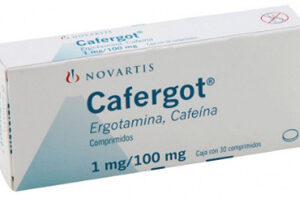
Cafergot contains the combination of ergotamine tartrate and caffeine. It is available in tablet form.
Pharmacological Classification
Cafergot is classified as an ergot alkaloid and a xanthine derivative.
Indications for Use
Cafergot is indicated for the treatment and management of acute migraine headaches with or without aura. It is also used in the treatment of cluster headaches.
Mechanism of Action
Ergotamine tartrate works by constricting blood vessels in the brain and by blocking inflammation processes that can cause headaches. Caffeine enhances the absorption of ergotamine and has vasoconstrictive properties, thereby contributing to the therapeutic effect of the medication.
Dosage and Administration
The dosage of Cafergot should be individualized according to the severity of the headache and the patient’s response. For acute treatment, one to two tablets should be taken at the first sign of a migraine. A maximum of six tablets should not be exceeded in any 24-hour period and no more than ten tablets should be used in a seven-day period.
Pharmacokinetics
Both ergotamine and caffeine are absorbed from the gastrointestinal tract after oral administration. Ergotamine undergoes hepatic metabolism primarily via the CYP3A4 enzyme and has a half-life of approximately 2.7 hours. Caffeine is rapidly absorbed, with peak plasma concentrations occurring within 30 minutes to 2 hours post-ingestion. Caffeine has a half-life of about 3-5 hours and is metabolized in the liver.
Special Populations Considerations
Elderly patients may be more sensitive to the effects of Cafergot, specifically the cardiovascular side effects. In patients with hepatic or renal impairment, dosage adjustments might be necessary due to altered drug metabolism and excretion. Cafergot is generally not recommended for pediatric use.
Drug Interactions
Significant interactions can occur when Cafergot is taken concurrently with other medications. CYP3A4 inhibitors such as certain antibiotics, antifungals, and protease inhibitors can significantly increase the plasma concentrations of ergotamine, leading to prolonged vasoconstrictive effects and potential toxicity. Concurrent use with other vasoconstrictive agents or ergot alkaloids is contraindicated due to the risk of additive vasoconstrictive effects. The concomitant use of caffeine-containing products should be monitored to avoid excessive caffeine intake.
Common Adverse Reactions
The most frequently reported side effects of Cafergot include nausea, vomiting, and dizziness. Vasospastic reactions, such as cold or numb extremities and muscle pain, have been observed. Gastrointestinal discomfort, such as abdominal pain and diarrhea, may also occur.
Serious Adverse Effects
Serious adverse effects include ischemia and gangrene due to severe vasoconstriction, myocardial infarction, and cerebrovascular events such as stroke. Overuse of Cafergot can lead to a condition known as medication overuse headache or rebound headache.
Contraindications and Precautions
Cafergot is contraindicated in patients with hypersensitivity to ergotamine, caffeine, or any other component of the product. It should not be used in individuals with a history of cardiovascular disease, uncontrolled hypertension, severe renal or hepatic dysfunction, or during pregnancy and lactation. Monitoring for overuse and contraindications should be an integral part of patient management.
Storage Instructions
Cafergot should be stored at room temperature, away from moisture and direct sunlight. The medication should be kept in a tightly closed container and out of reach of children.
Patient Counseling Information
Patients should be informed about the proper use of Cafergot, including the importance of taking the medication at the onset of migraine symptoms. They should be advised on the risks of exceeding the recommended dosage and the potential for serious adverse events. Importance of recognizing symptoms of serious side effects and seeking immediate medical attention should be highlighted.
Monitoring and Follow-Up
Regular follow-up appointments should be scheduled to assess the efficacy and tolerability of the treatment. Monitoring for the development of medication overuse headache and other adverse effects is essential. Adjustments to dosing or switching to alternative therapies may be necessary based on patient response and side effects.
Clinical Efficacy Summary
Clinical trials have demonstrated that Cafergot is effective in aborting migraine attacks in a significant number of patients. The combination of ergotamine and caffeine is particularly effective in patients who do not respond to standard NSAID therapy. Comparing with other treatments, it provides a faster relief but has a higher incidence of systemic side effects.



Reviews
There are no reviews yet.