

Medication Name and Class
Digoxin is a cardiac glycoside. It is primarily used in the management of various heart conditions, such as atrial fibrillation and heart failure. This drug works by affecting certain minerals inside heart cells to reduce strain on the heart and improve circulation.
Mechanism of Action
Digoxin increases the force of myocardial contraction by inhibiting the sodium-potassium ATPase enzyme. This inhibition results in an increase in intracellular sodium concentration, which secondarily raises intracellular calcium levels. The elevated calcium boosts myocardial contractility. Additionally, digoxin exerts a parasympathomimetic effect on the atrioventricular node, decreasing heart rate and enhancing diastolic filling time.
Indications for Use
Digoxin is indicated for heart failure, particularly when left ventricular systolic dysfunction is present. It also treats chronic atrial fibrillation by slowing ventricular rate. Digoxin may be used in combination with other medications for heart failure or as monotherapy in certain cases.
Dosage Forms Available
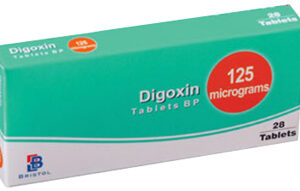
Digoxin is available in multiple dosage forms, including tablets, oral solutions, and injectable solutions. Dosage strength for tablets commonly includes 125 micrograms and 250 micrograms. The oral solution is typically available in 50 micrograms per milliliter concentrations, while the injectable form is available in ampoules containing 500 micrograms/2 mL.
Administration Guidelines
Oral digoxin should be taken with or without food, though consistent administration relative to meals is recommended. Injectable digoxin is administered intravenously under medical supervision. Dosages must be tailored to the individual, considering factors like lean body weight, renal function, and concomitant drugs. Loading doses may be required in acute settings, followed by maintenance doses.
Pharmacokinetics
Digoxin has an oral bioavailability of approximately 70-80% for tablets and nearly 100% for intravenous forms. The onset of action for oral digoxin typically occurs within 1-2 hours, and peak plasma concentrations are reached in 6-8 hours. It has a half-life of about 36-48 hours in patients with normal renal function. The drug is predominantly excreted unchanged by the kidneys.
Drug Interactions
Concurrent use of certain medications can affect digoxin plasma levels. For instance, drugs like amiodarone, quinidine, and verapamil can increase digoxin levels, raising the risk of toxicity. Conversely, some medications like antacids, cholestyramine, and metoclopramide can decrease its efficacy by reducing absorption. Monitoring and adjusting digoxin dosages when starting or stopping other drugs is critical.
Laboratory Monitoring
Regular monitoring of serum digoxin levels is crucial, with a therapeutic range typically between 0.8 to 2.0 ng/mL. Renal function tests and electrolyte levels, particularly potassium, magnesium, and calcium, should also be periodically assessed. Any significant deviations from normal ranges may necessitate dosage adjustments to prevent toxicity or therapeutic failure.
Adverse Effects
Common adverse effects of digoxin include nausea, vomiting, dizziness, and fatigue. Cardiac arrhythmias, such as ventricular tachycardia and atrioventricular block, are more severe but less common. Visual disturbances, such as blurred vision and yellow-green halos, can indicate toxicity. Gastrointestinal symptoms are often the earliest indicators of toxic levels.
Renal Impairment Considerations
Digoxin clearance is significantly reduced in patients with renal impairment. Dose adjustments are necessary to prevent accumulation and subsequent toxicity. Close monitoring of digoxin levels and renal function is essential in this population. Starting doses are often lower, and intervals between doses may be extended.
Hepatic Impairment Considerations
While digoxin itself is minimally metabolized by the liver, hepatic impairment can indirectly affect its clearance due to changes in renal function. No specific dosage adjustment guidelines exist for hepatic impairment alone, but close monitoring is recommended. Clinical judgment should guide additional testing and dosage if necessary.
Contraindications
Digoxin is contraindicated in patients with ventricular fibrillation. It should not be used in those with known hypersensitivity to the drug or its components. Patients with Wolff-Parkinson-White syndrome and atrial fibrillation should avoid digoxin due to the risk of precipitating ventricular fibrillation.
Patient Counseling Information
Patients should be informed about the signs of digoxin toxicity, such as nausea, vision changes, and palpitations. They should be advised to maintain consistent intake relative to meals and avoid taking over-the-counter medications or supplements without consulting their healthcare provider. Regular monitoring of blood tests and adherence to follow-up appointments is crucial.
Special Population Use
Older adults are particularly sensitive to digoxin due to decreased renal function with aging. Pediatric use should be carefully monitored and doses adjusted based on weight and renal function. In pregnancy, digoxin crosses the placenta but is considered relatively safe with appropriate monitoring. Lactating mothers can use digoxin but should be aware it is excreted in breast milk.
Storage Guidelines
Digoxin tablets and oral solutions should be stored at room temperature, away from moisture, heat, and light. The injectable form should be stored in its original vial until ready for use and protected from light. Once prepared for administration, it should be used promptly to maintain sterility and efficacy.
Disposal Instructions
Unused or expired digoxin should be disposed of according to local regulations. It should not be flushed down the toilet or poured into a drain. Many communities have take-back programs or safe disposal bins at pharmacies to ensure proper disposal.



Reviews
There are no reviews yet.