

Femara Medication Guide
Generic Name
Letrozole
Drug Class
Aromatase Inhibitors
Primary Indication
Femara is primarily prescribed for the treatment of hormone receptor-positive breast cancer in postmenopausal women. It may be used as an adjuvant treatment, neoadjuvant treatment, or in the management of advanced cases.
Mechanism of Action
Letrozole works by inhibiting the enzyme aromatase, which is responsible for the conversion of androgens to estrogens. By reducing estrogen production, it helps to slow or stop the growth of estrogen-dependent cancer cells.
Dosage Forms
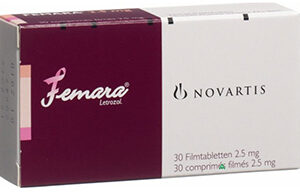
Femara is available in tablet form, typically containing 2.5 mg of letrozole.
Administration Instructions
The standard dosing regimen for Femara involves taking one 2.5 mg tablet once daily, with or without food. It is recommended to take the tablet at the same time each day to maintain consistent blood levels of the medication.
Storage Requirements
Femara tablets should be stored at room temperature, away from moisture and heat. Keep the medication in its original container and tightly closed when not in use.
Drug Interactions
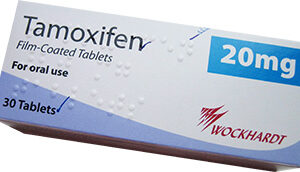
Femara may interact with drugs such as tamoxifen or other estrogen-containing medications, potentially reducing its efficacy. It is vital to inform a healthcare provider about all ongoing medications to avoid adverse interactions.
Special Populations
Femara is not recommended for use in premenopausal women, pregnant women, or those who are breastfeeding. It is specifically indicated for postmenopausal women with breast cancer.
Monitoring Parameters
Patients on Femara should undergo regular monitoring of bone mineral density due to the risk of osteoporosis. Liver function tests and lipid profiles should also be checked periodically.
Common Side Effects
Common side effects associated with Femara include hot flashes, joint pain, fatigue, and nausea. These symptoms can often be managed with supportive care and appropriate interventions.
Serious Side Effects
Although rare, serious side effects may occur, such as severe bone pain, signs of liver dysfunction, and cardiovascular issues. Immediate medical attention is required in these cases.
Contraindications
Femara is contraindicated in individuals with a known hypersensitivity to letrozole or any of its excipients. It should not be used in premenopausal women, or those who are pregnant or breastfeeding.
Use in Elderly
While Femara is generally safe for use in elderly patients, dose adjustments may be necessary based on individual tolerance and response to the medication.
Off-Label Uses
Femara has been occasionally used off-label for conditions such as ovulation induction in women with polycystic ovary syndrome (PCOS) under the guidance of a reproductive specialist.
Medication Adherence
Consistent daily use of Femara is crucial for optimal therapeutic outcomes. Patients should be reminded of the importance of adherence to the prescribed regimen and informed about techniques to improve compliance.
Cost and Availability
Femara is available through most pharmacies and may be covered by insurance plans. Drug pricing can vary based on location, insurance coverage, and generic availability.
Disposal Instructions
Unused or expired Femara tablets should be disposed of properly, following local guidelines for medication disposal. It is advisable not to flush medications down the toilet unless instructed to do so.
Patient Counseling Points
Patients should be counseled on potential side effects, the importance of adherence, and the need for regular follow-up appointments. Discussing lifestyle modifications such as diet, exercise, and smoking cessation may also be beneficial in managing side effects and improving overall health.
Reviews
There are no reviews yet.