

Medication Guide: Hytrin
What is Hytrin?
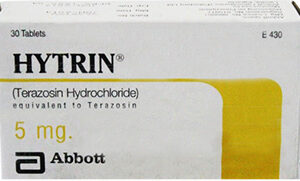
Hytrin, also known by its generic name terazosin, is an alpha-adrenergic receptor blocker. It is primarily used to treat hypertension (high blood pressure) and benign prostatic hyperplasia (BPH), a noncancerous enlargement of the prostate gland. Hytrin works by relaxing the blood vessels, allowing blood to flow more easily, and it also relaxes the muscles in the prostate and bladder neck, helping to relieve symptoms of BPH.
Brand and Generic
Hytrin is the brand name for the generic drug terazosin. The brand name Hytrin is primarily used in the United States. Terazosin is available in tablet form and can be prescribed in various dosages, including 1 mg, 2 mg, 5 mg, and 10 mg.
Prescribed Uses
Hytrin is prescribed for two main conditions: hypertension and benign prostatic hyperplasia. In hypertension, it helps lower blood pressure by relaxing blood vessels. For BPH, it aids in reducing urinary symptoms such as difficulty in starting urination, weak stream, and the need to urinate frequently or urgently, including during the middle of the night.
Mechanism of Action
Hytrin functions as an alpha-adrenergic blocker. It inhibits alpha-1 adrenergic receptors, which are found in the smooth muscle of blood vessels and the prostate. By blocking these receptors, Hytrin causes muscle relaxation, leading to vasodilation of blood vessels and a decrease in blood pressure. In the prostate, this relaxation reduces urinary resistance and improves urine flow.
Dosage Information
The initial dose of Hytrin for hypertension or BPH is typically 1 mg, taken at bedtime to minimize the risk of sudden drops in blood pressure. Depending on the patient’s response and tolerability, the dosage may be gradually increased. Maintenance doses usually range from 1 mg to 5 mg per day, with some patients requiring up to 20 mg daily for adequate control.
Administration Instructions
Hytrin should be taken consistently at the same time each day. It can be taken with or without food. Swallow the tablet whole with water. Do not crush or chew the tablet. If a dose is missed, take it as soon as you remember unless it is almost time for your next dose. Do not double the dose to make up for a missed one.
Potential Side Effects
Common side effects of Hytrin include dizziness, lightheadedness, and headaches, especially after the first dose. These symptoms occur due to the blood pressure-lowering effect. Other side effects may include nasal congestion, tiredness, nausea, and blurred vision. Rare but serious side effects can include fainting, significant drop in blood pressure, and priapism, a prolonged, painful erection.
Drug Interactions
Hytrin can interact with other medications that lower blood pressure, such as other alpha-blockers, beta-blockers, diuretics, and certain antidepressants. It may also interact with medications that cause sedation, such as sleeping pills or muscle relaxants, enhancing their effects. It is important to inform your healthcare provider of all medications you are taking to avoid potential interactions.
Monitoring and Follow-up
Regular monitoring of blood pressure and prostate symptoms is essential while taking Hytrin. Your healthcare provider may schedule follow-up visits to assess the effectiveness of the medication and make any necessary dosage adjustments. Blood tests might be ordered to check liver function and other parameters. Always attend scheduled appointments for optimal management of your condition.
Cautions and Contraindications
Hytrin should be used with caution in patients with a history of low blood pressure, liver problems, or those who are prone to dehydration. It is contraindicated in patients with a known allergy to terazosin or any component of the drug. Sudden discontinuation of the medication should be avoided to prevent rebound hypertension or other adverse effects.
Storage Conditions
Store Hytrin at room temperature, away from moisture and heat. Keep the medication in its original container, tightly closed. Ensure that the medication is kept out of reach of children. Do not use the medication past its expiration date. Properly dispose of any unused medication according to local regulations.
Patient Counseling Points
Inform patients about the possibility of dizziness or lightheadedness, especially after the first dose or when the dose is increased. Advise them to get up slowly from a sitting or lying position to minimize the risk of falls. Encourage patients to maintain adequate hydration and to avoid sudden posture changes that may exacerbate dizziness.
Impact on Daily Activities
Hytrin can affect a patient’s ability to perform activities that require alertness, such as driving or operating heavy machinery. Advise patients to understand how Hytrin affects them before engaging in such activities. Alcohol can exacerbate certain side effects of Hytrin, so patients should be cautious with alcohol consumption while on this medication.
Patient Assistance Programs
Various patient assistance programs may be available to help individuals afford their Hytrin prescription. These programs are often sponsored by pharmaceutical companies or independent organizations. Patients should consult with their healthcare provider or pharmacist to explore available options.
Clinical Efficacy
Clinical studies have demonstrated the efficacy of Hytrin in reducing blood pressure in hypertensive patients and improving urinary symptoms in patients with BPH. In studies, patients experienced significant improvements in peak urine flow rates and a decrease in residual urine volume. The drug’s effects are typically observed within 2 to 4 weeks of initiation.



Reviews
There are no reviews yet.