
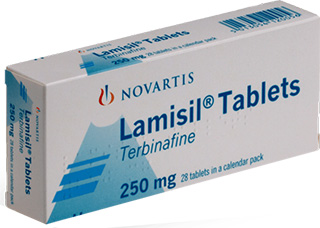
Active Ingredient
Lamisil contains terbinafine hydrochloride as the active ingredient. It is an antifungal agent belonging to the allylamine class, effective in treating various fungal infections by inhibiting squalene epoxidase.
Formulations Available
Lamisil is available in multiple formulations, including oral tablets, topical creams, gels, and sprays. The choice of formulation depends on the nature and location of the fungal infection.
Clinical Applications
Lamisil is primarily used to treat fungal infections such as onychomycosis (fungal nail infections), tinea pedis (athlete’s foot), tinea cruris (jock itch), and tinea corporis (ringworm). It effectively eliminates the fungi responsible for these conditions.
Dosage Guidelines
The standard dosage for Lamisil oral tablets for onychomycosis is 250 mg once daily for 6 weeks for fingernail infections and 12 weeks for toenail infections. Topical formulations should be applied once or twice daily, following the specific instructions for each type.
Mechanism of Action
Terbinafine, the active ingredient in Lamisil, works by inhibiting the enzyme squalene epoxidase, disrupting the synthesis of ergosterol, a vital component of fungal cell membranes. This leads to increased squalene levels, which are toxic to the fungi, causing cell death.
Administration Guidelines
Oral Lamisil tablets should be taken with a full glass of water, with or without food. Topical formulations should be applied to clean, dry affected areas, spreading evenly, and should be used as directed to achieve optimal results.
Pharmacokinetics Profile
Terbinafine is well-absorbed orally, with bioavailability around 40%. It reaches peak plasma concentration within 2 hours. It extensively binds to plasma proteins, and metabolites are primarily excreted via urine. The drug has a half-life of 36 hours.
Drug Interactions
Lamisil can interact with other medications, including rifampin, cimetidine, and certain antidepressants. These interactions may affect the metabolism of terbinafine, necessitating dosage adjustments or monitoring for adverse effects.
Storage Conditions
Store Lamisil tablets at a temperature below 25°C (77°F) in a dry place. Topical forms should be kept away from direct sunlight and moisture. Always store medications in their original packaging to prevent contamination.
Contraindications
Lamisil is contraindicated in patients with known hypersensitivity to terbinafine or any of its excipients. It should also be avoided in patients with chronic or active liver disease due to potential hepatotoxicity.
Pregnancy and Lactation
Lamisil should be used during pregnancy only if the potential benefits justify the risks to the fetus. It is excreted in breast milk, and hence nursing mothers should either discontinue the drug or stop breastfeeding while undergoing treatment.
Common Side Effects
Common side effects of Lamisil include headache, gastrointestinal symptoms (such as nausea, diarrhea, and dyspepsia), and dermatological reactions (such as rash and pruritus). These effects are generally mild and self-limiting.
Rare Adverse Reactions
Though rare, Lamisil has been associated with severe reactions such as hepatic dysfunction (including jaundice and hepatitis), severe skin reactions (such as Stevens-Johnson syndrome), and hematologic abnormalities (such as neutropenia and agranulocytosis).
Monitoring Parameters
Patients on Lamisil therapy should be monitored for liver function, complete blood count (CBC), and renal function, particularly if pre-existing conditions are present or if therapy extends beyond 6 weeks.
Pediatric Use
Safety and efficacy of Lamisil in pediatric patients under 12 years for oral formulations and under 2 years for topical formulations have not been fully established. Caution is advised when prescribing to children.
Geriatric Considerations
While no specific adjustments are recommended for elderly patients, they may be more susceptible to hepatic and renal dysfunction, requiring closer monitoring and potential dosage modifications based on overall health status.
Off-label Uses
While not FDA-approved, Lamisil has been used off-label for treating other fungal infections such as sporotrichosis and chromoblastomycosis, demonstrating efficacy in certain anecdotal and clinical cases.
Patient Counseling Information
Patients should be advised to complete the full course of Lamisil treatment even if symptoms resolve to prevent recurrence. They should be informed about potential side effects and the importance of timely reporting of unusual symptoms to their healthcare provider.
Missed Dose Protocol
If a dose of Lamisil is missed, patients should take it as soon as they remember. However, if it is nearly time for the next dose, they should skip the missed dose and resume their regular dosing schedule. Double dosing should be avoided.
Overdose Management
In case of overdose, symptomatic and supportive care should be provided. Activated charcoal may reduce absorption if administered soon after ingestion. Monitoring and managing hepatic and renal functions may be necessary.
Alcohol Interaction
Patients are advised to avoid or limit alcohol intake while on Lamisil therapy, as alcohol can increase the risk of liver damage, a potential side effect of terbinafine treatment.
Reviews
There are no reviews yet.