

Medication Classification
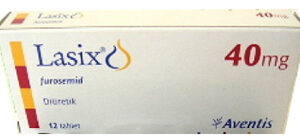
Lasix is an oral loop diuretic. It is part of the sulfonamide derivative class. Its generic name is furosemide. It is used primarily for managing edema and hypertension.
Active Ingredient
The active ingredient in Lasix is furosemide. Each tablet contains varying strengths of furosemide: common dosages include 20 mg, 40 mg, and 80 mg. Furosemide is a potent diuretic agent, leading to increased urine production and sodium excretion.
Mechanism of Action
Furosemide inhibits the sodium-potassium-chloride co-transporter in the thick ascending limb of the loop of Henle. This leads to increased excretion of sodium, chloride, and water. It results in a decrease in blood pressure and reduction of fluid build-up in tissues.
Indications and Uses
Lasix is indicated for the treatment of edema associated with congestive heart failure, liver cirrhosis, and renal disease. It is also prescribed for the management of hypertension, either alone or in combination with other antihypertensive agents.
Administration Guidelines
Lasix should be taken orally with or without food. The tablet should be swallowed whole. The specific dosage varies depending on the condition being treated and the patientâs response to therapy. Adjustments may be made based on clinical evaluations and laboratory tests.
Contraindications
Lasix is contraindicated in patients with known hypersensitivity to furosemide or sulfonamides. It should not be used in individuals with anuria or severe renal dysfunction. Patients with hepatic coma or pre-coma states should avoid this medication. Additionally, it is contraindicated for pregnant women unless the benefits outweigh the risks.
Drug Interactions
Coadministration of Lasix with aminoglycosides or cisplatin can enhance the ototoxic effects. Nonsteroidal anti-inflammatory drugs (NSAIDs) may diminish the diuretic response to Lasix. Concurrent use with antihypertensive agents can potentiate hypotensive effects. It may decrease the efficacy of antidiabetic medications due to increased blood glucose levels caused by diuretics.
Side Effects
Common side effects of Lasix include electrolyte imbalance, hypokalemia, and dehydration. Patients may experience dizziness, headache, and blurred vision. Other side effects include hyperglycemia, hyperuricemia, and orthostatic hypotension. Serious side effects may involve renal impairment, hearing loss, and severe allergic reactions like Stevens-Johnson syndrome.
Monitoring Requirements
It is essential to monitor electrolytes regularly, particularly potassium and sodium levels, due to the risk of electrolyte imbalance. Renal function should be assessed periodically through serum creatinine and blood urea nitrogen (BUN) levels. Blood pressure should be checked consistently to ensure effective hypertension management. Patients with diabetes should monitor blood glucose levels more frequently while on Lasix.
Special Populations
In elderly patients, dose adjustments may be necessary due to age-related renal function decline. Patients with hepatic impairment should be closely monitored due to the risk of hepatic encephalopathy. For those with severe ascites, gradual dose escalation is recommended to prevent rapid fluid shift complications. Pediatric use of Lasix should be done with caution and under professional supervision.
Storage Instructions
Store Lasix at room temperature, between 20 to 25 degrees Celsius (68 to 77 degrees Fahrenheit). Keep in a well-closed container, protected from light and moisture. Maintain it out of reach of children and pets to prevent accidental ingestion. Dispose of expired or unused medication according to local disposal regulations.
Dosage Adjustments
In cases of renal impairment, dose adjustments may be necessary based on creatinine clearance rates. For patients with severe heart failure, higher initial doses may be required to achieve the desired diuretic effect. Adjustments should be made cautiously to prevent overdiuresis and dehydration. Dosage modifications may also be needed in conjunction with other medications affecting blood pressure.
Pharmacokinetics
Furosemide is rapidly absorbed from the gastrointestinal tract, with peak plasma concentrations occurring within 1 to 2 hours post-administration. It has a bioavailability of 60 to 70%, with extensive binding to plasma proteins (mainly albumin). The elimination half-life ranges from 0.5 to 3 hours. Furosemide is primarily excreted in the urine, both as unchanged drug and metabolites.
Mode of Excretion
Lasix is predominantly eliminated via renal excretion, accounting for roughly 50 to 80% of the administered dose. Around 10 to 20% is excreted as glucuronide conjugates. The remainder is excreted through non-renal routes, including fecal and bile excretion. Clearance may be reduced in patients with renal impairment, necessitating dose adjustments.
Titration and Maintenance
Titration of Lasix should be done cautiously, starting with the lowest effective dose to achieve therapeutic goals. Maintenance doses should aim to manage edema or hypertension without causing excessive diuresis. Gradual dose adjustments based on clinical response and patient tolerance are recommended. Regular assessments help to fine-tune the dosage and prevent complications.
Patient Counseling
Patients should be advised to take Lasix as prescribed and not to discontinue it abruptly. Counsel on recognizing signs of dehydration, electrolyte imbalance, and hypotension. Educate on maintaining an adequate intake of fluids and electrolytes. Inform patients about the potential for increased urination, particularly at the beginning of treatment. Discuss the importance of adhering to scheduled follow-up appointments for monitoring.



Reviews
There are no reviews yet.