

Medication Classification
Meclizine is classified as an antihistamine. Its primary use is to prevent and treat nausea, vomiting, and dizziness caused by motion sickness. It is also utilized in the treatment of vertigo associated with diseases affecting the vestibular system.
Mechanism of Action
Meclizine works primarily by blocking histamine H1 receptors. This inhibits the action of histamine in the body, which helps mitigate symptoms of motion sickness. Additionally, it has anticholinergic properties, aiding in the reduction of vestibular stimulation.
Pharmacokinetics
Meclizine is well-absorbed from the gastrointestinal tract. Its onset of action typically begins within one hour and the duration of action can last up to 24 hours. The drug is metabolized in the liver and excreted primarily through urine.
Indications for Use
This medication is indicated for the prevention and treatment of nausea, vomiting, and dizziness caused by motion sickness. Additionally, it is used in the management of vertigo symptoms due to vestibular system disorders.
Dosage Information
For the prevention of motion sickness, the typical adult dose is 25 to 50 mg taken approximately one hour before travel. For the management of vertigo, dosage may vary, often prescribed at 25 to 100 mg per day in divided doses. Always follow the specific dosing instructions provided by a healthcare professional.
Administration Guidelines
Meclizine should be taken orally, with or without food. Taking the medication with food may help reduce any stomach discomfort. It’s essential to follow the prescribed schedule for optimal efficacy.
Drug Contraindications
Meclizine is contraindicated in patients with a known hypersensitivity to the drug or any of its ingredients. It should not be used by individuals who have an allergy to antihistamines.
Potential Drug Interactions
This medication may interact with other central nervous system depressants, such as alcohol, barbiturates, and tranquilizers, augmenting their effects. Additionally, it may interfere with anticholinergic drugs and medications used to treat Parkinson’s disease.
Special Populations
Caution is advised when prescribing Meclizine to pregnant or breastfeeding women, as well as to elderly patients, due to the increased risk of side effects. Dosage adjustments may be necessary for these populations.
Adverse Reactions
Common side effects include drowsiness, dry mouth, and blurred vision. Less common effects might include headache, fatigue, and confusion. It’s important to report any adverse reactions to a healthcare provider promptly.
Storage Instructions
Store Meclizine at room temperature, away from light and moisture. Keep the medication in its original container and ensure it’s out of reach of children and pets.
Overdose Management
In case of an overdose, seek immediate medical attention. Symptoms of overdose may include extreme drowsiness, seizures, or difficulty breathing. Supportive measures and symptomatic treatment are typically employed in managing overdose.
Patient Monitoring
Regular monitoring may be required to check for any adverse reactions or potential drug interactions. This includes periodic assessment of efficacy and overall health status, especially in long-term use scenarios.
Generic Availability
Meclizine is available in both branded and generic forms. Generic versions are often more cost-effective and provide the same therapeutic benefits as their branded counterparts.
Formulations Available
Meclizine is available in various formulations, including tablets, chewable tablets, and oral suspension. The choice of formulation depends on patient preference and specific medical requirements.
Role in Combination Therapy
In certain cases, Meclizine may be used in combination with other medications to enhance therapeutic outcomes. However, such combinations should only be administered under the guidance of a healthcare professional to avoid adverse interactions.
Bioavailability Considerations
Meclizine exhibits variable bioavailability, generally enhanced by concurrent ingestion of food. Pharmaceutical manufacturers often consider this factor to optimize the drug’s efficacy in clinical formulations.
Patient Counseling Points
Patients should be informed about the potential for drowsiness and advised against performing activities requiring mental alertness, such as driving or operating heavy machinery, while taking Meclizine. They should also be instructed to report any persistent or severe side effects to their healthcare provider.
Clinical Trials Data
Clinical trials have demonstrated the efficacy of Meclizine in alleviating symptoms of motion sickness and vertigo. Studies typically report significant improvements in outcome measures compared to placebo controls.
Labeling and Packaging
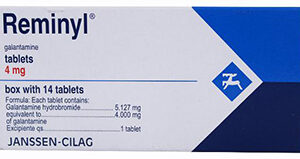
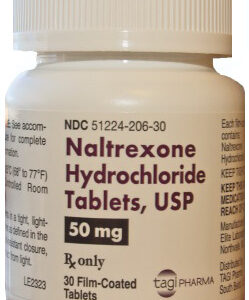
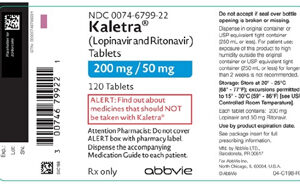
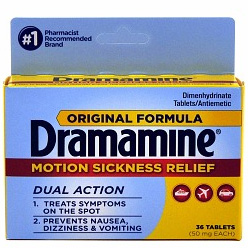
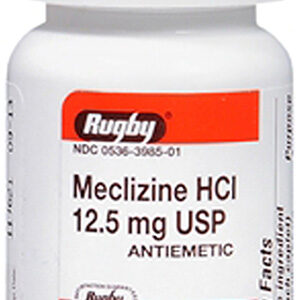
The packaging of Meclizine typically includes comprehensive labeling that provides critical information, like dosage instructions and storage guidelines. Medications are often packaged in blister packs or bottles for convenience and safety.

Reviews
There are no reviews yet.