

Brand and Generic Name
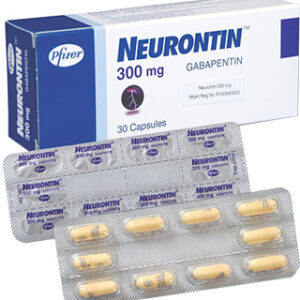
Neurontin is the brand name for the generic medication gabapentin. It is manufactured by Pfizer. Gabapentin may be available under other brand names such as Gralise and Horizant.
Approved Uses
Neurontin is approved for the treatment of partial seizures with or without secondary generalization in patients over 12 years old. It is also approved for the management of postherpetic neuralgia in adults. It is additionally used off-label for various neuropathic pain conditions.
Mechanism of Action
Gabapentin acts by binding to the alpha-2-delta subunit of voltage-gated calcium channels in the central nervous system, thus inhibiting excitatory neurotransmitter release. It modulates the release of several neurotransmitters, which contributes to its antiepileptic and analgesic effects.
Dosage Forms
Neurontin is available in multiple oral dosage forms, including capsules (100 mg, 300 mg, 400 mg), tablets (600 mg, 800 mg), and oral solution (250 mg/5 mL). It’s important to follow the appropriate form prescribed by the healthcare provider.
Pharmacokinetics Profile
Gabapentin has an absorption rate that is limited by a saturable mechanism of gut transporters, resulting in nonlinear pharmacokinetics. Its bioavailability decreases with increasing doses. Gabapentin does not bind to plasma proteins and is largely excreted unchanged in the urine with a half-life of approximately 5 to 7 hours.
Recommended Dosing
The typical starting dose for seizure control in adults is 300 mg three times a day. The dose can be titrated up to a maximum of 3600 mg per day, based on patient response and tolerability. For postherpetic neuralgia, therapy is generally started at 300 mg on the first day, increased to 600 mg on the second, and 900 mg on the third, with further adjustments based on efficacy and tolerability.
Common Side Effects
Common side effects of Neurontin include dizziness, somnolence, and peripheral edema. Patients may also experience ataxia, nystagmus, and fatigue. These effects are often dose-dependent and may diminish with continued use.
Serious Adverse Effects
Serious adverse effects can include an increased risk of suicidal thoughts and behavior, drug reaction with eosinophilia and systemic symptoms (DRESS), and respiratory depression. It is crucial for healthcare providers to monitor patients for these conditions, especially during the initial stages of treatment.
Drug Interactions
Neurontin has potential interactions with antacids containing aluminum and magnesium, which can reduce gabapentin’s bioavailability by approximately 20%. Concurrent use with opioids may increase the risk of CNS depression. It is also advisable to monitor patients on gabapentin and morphine concomitantly due to increased gabapentin levels.
Contraindications
Neurontin is contraindicated in patients with a history of hypersensitivity to gabapentin or any of the components in its formulation. It should not be used in pediatric patients with epilepsy below 3 years of age.
Special Populations
Dose adjustments are necessary for patients with renal impairment. Creatinine clearance levels guide dose reductions to prevent drug accumulation and toxicity. The elderly population may require lower initial doses due to age-related declines in renal function.
Discontinuation Protocol
It is important to taper down Neurontin slowly when discontinuing the medication, to avoid potential withdrawal symptoms or seizure exacerbation. A gradual reduction over at least a week is typically recommended, but this period may vary depending on the patient’s condition and dose.
Administration Guidelines
Neurontin should be administered with or without food. Consistency in timing enhances therapeutic effectiveness and minimizes side effects. For patients taking the oral solution, precise measurement with the provided dosing instrument is crucial for accurate dosing.
Monitoring Parameters
Routine monitoring for efficacy and side effects is vital. Baseline and periodic renal function tests are recommended, especially in patients with known renal impairment. Monitoring mood and behavior changes is also important due to the potential for increased suicidal ideation.
Storage Requirements
Store Neurontin at room temperature, away from light and moisture. Do not store in the bathroom. Ensure the medication is kept out of reach of children and pets to prevent accidental ingestion.


Reviews
There are no reviews yet.