
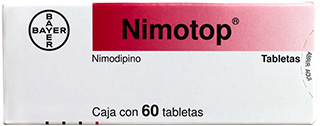
Nimotop Medication Guide
Active Ingredients
Nimotop contains nimodipine as its active ingredient. Nimodipine is a calcium channel blocker that specifically targets cerebral blood vessels.
Dosage Form
The medication is available in tablet form and as an oral solution. Each dosage form is designed to provide specific therapeutic effects and administration routes.
Mechanism of Action
Nimodipine works by inhibiting the influx of calcium ions into smooth muscle cells in the cerebral arteries. This action prevents cerebral vasospasms, a condition that can occur after a subarachnoid hemorrhage.
Therapeutic Indications
The primary indication for Nimotop is the improvement of neurological outcomes in patients who have suffered a subarachnoid hemorrhage. It is specifically used to prevent cerebral vasospasm and subsequent ischemic neurological deficits.
Administration Guidelines
Nimotop tablets should be taken on an empty stomach or at least one hour before meals. The oral solution should also be administered similarly for optimal absorption. It is essential to follow prescribed dosing schedules precisely.
Adverse Effects
Common adverse effects include hypotension, dizziness, headache, and nausea. Tachycardia and bradycardia are also reported but less commonly. Monitoring for these effects is crucial, particularly in the initial stages of therapy.
Contraindications
Nimotop is contraindicated in patients with known hypersensitivity to nimodipine or any of its excipients. It should also be avoided in patients with unstable angina or within four weeks of a myocardial infarction.
Drug Interactions
Caution is advised when administering Nimotop concurrently with other antihypertensives due to the potential for additive hypotensive effects. Additionally, drugs metabolized by CYP3A4 enzymes, such as some antifungals and antivirals, may alter nimodipine levels.
Storage Conditions
Nimotop tablets should be stored at room temperature, away from direct sunlight and moisture. The oral solution must be kept in its original packaging to protect it from light and should not be frozen.
Special Populations
In elderly patients, dosing may need adjustment due to decreased hepatic function. Caution is also advised in hepatic impaired or renal compromised patients. Dose modifications should be based on clinical response and tolerability.
Pediatric Use
The safety and efficacy of Nimotop in pediatric patients have not been established. Therefore, it is generally not recommended for use in this population unless specifically advised by a healthcare professional.
Pregnancy and Lactation
Nimotop should be used during pregnancy only if the potential benefit justifies the potential risk to the fetus. Women who are breastfeeding should consult their healthcare provider before using this medication, as nimodipine is excreted in human milk.
Overdose Management
Symptoms of overdose may include marked hypotension and reflex tachycardia. Immediate medical attention is required in the event of an overdose. Treatment includes supportive measures and symptomatic care.
Dispensing Information
Nimotop should only be dispensed with a valid prescription from a licensed healthcare provider. Pharmacists should verify the dosage and administration instructions before dispensing the medication.
Patient Counseling
Pharmacists should educate patients about the importance of adherence to the prescribed regimen. Inform them about potential side effects and the importance of monitoring symptoms, especially during the initial phase of treatment.
Clinical Pharmacology
Nimodipine exhibits a preferential binding affinity for cerebral arteries, leading to selective vasodilation. This selectivity is beneficial in managing conditions involving cerebral ischemia without significantly affecting systemic blood pressure.
Pharmacokinetics
Nimodipine is well-absorbed orally, with peak plasma concentrations occurring approximately 1 hour after administration. The bioavailability of nimodipine can be affected by the presence of food, leading to decreased absorption.
Metabolism and Excretion
Nimodipine is extensively metabolized by the liver via the cytochrome P450 3A4 (CYP3A4) enzyme. The metabolites are excreted primarily through the kidneys, with a small portion eliminated via the feces.
Monitoring Parameters
Regular blood pressure monitoring is essential, especially during the initial phase of treatment. Liver function tests may be necessary in patients with hepatic impairment. Neurological assessments should be conducted to evaluate therapeutic efficacy.
Formulary Considerations
Nimotop is usually included in hospital formularies due to its specific therapeutic application in managing subarachnoid hemorrhage. Availability may vary, and pharmacists should check the local formulary status for stocking and dispensing information.



Reviews
There are no reviews yet.