
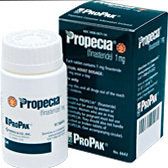
Propecia Medication Guide
Active Ingredient
Propecia contains the active ingredient finasteride. Finasteride is a type of medication known as a 5-alpha-reductase inhibitor, which works by reducing the amount of the hormone dihydrotestosterone (DHT) in the body.
Indications for Use
Propecia is primarily indicated for the treatment of male pattern hair loss, also known as androgenic alopecia. Male pattern hair loss manifests as a receding hairline and thinning hair on the scalp. Propecia is not used to treat hair loss in women or children.
Administration Method
Propecia is administered orally in the form of a 1 mg tablet. The tablet should be swallowed whole with a glass of water, and it can be taken with or without food. Consistency in taking the medication at the same time each day is recommended.
Dosage Guidelines
The standard dosage for Propecia is one 1 mg tablet taken once daily. It may take at least three months of daily use before a noticeable improvement in hair growth is observed. Continued use is required to maintain the benefit, and discontinuation of treatment may result in a reversal of the hair growth effect within around 12 months.
Mechanism of Action
Propecia works by inhibiting the enzyme 5-alpha-reductase. This enzyme converts testosterone into dihydrotestosterone (DHT), a hormone responsible for hair follicle miniaturization, leading to hair loss. By reducing DHT levels, Propecia helps to prevent further hair loss and promotes hair regrowth.
Pharmacokinetics
Following oral administration, finasteride is rapidly absorbed, with peak plasma concentrations occurring approximately 1-2 hours after ingestion. The drug has a bioavailability of approximately 65%. It is extensively metabolized in the liver by cytochrome P450 3A4 isoenzyme. The elimination half-life is roughly 5-6 hours in younger men and about 8 hours in older men.
Factors Affecting Efficacy
Effectiveness of Propecia may vary based on individual factors such as the severity of hair loss, age, and other underlying medical conditions. Smoking and alcohol consumption might also influence the drug’s efficacy. Continuous usage is crucial for sustained results, and any interruption can potentially reverse the effects.
Common Side Effects
Some common side effects of Propecia include decreased libido, erectile dysfunction, and ejaculation disorder. These side effects are generally mild and often resolve with continued treatment. It is important to note that side effects may persist in some cases, even after discontinuing the medication.
Drug Interactions
Propecia may interact with other medications that are metabolized by the cytochrome P450 3A4 enzyme system. Caution is advised when taken concurrently with other drugs metabolized by this pathway, to avoid potential interactions and side effects. Always consult a healthcare provider before combining Propecia with other medications.
Special Populations
Propecia is not recommended for use in women and children. Pregnant women should avoid handling crushed or broken tablets due to the potential risk of abnormal development of a male fetus’s genitalia. Usage in elderly men should be approached with caution, especially in those with liver dysfunction.
Fertility Considerations
In some instances, Propecia has been associated with alterations in fertility, including reduced sperm count. Though these changes are typically reversible upon discontinuation, men who are trying to conceive should discuss the use of Propecia with their healthcare provider.
Storage Conditions
Store Propecia at room temperature, away from excessive moisture and direct sunlight. Keep the medication in its original packaging and ensure it is out of reach of children. Proper storage is necessary to maintain the efficacy and safety of the medication.
Missed Dose Instructions
If a dose of Propecia is missed, take it as soon as you remember. If it is close to the time of the next scheduled dose, skip the missed dose and resume the regular dosing schedule. Do not double the dose to make up for the missed one.
Discontinuation Effects
Discontinuing Propecia may lead to the loss of any hair growth benefits obtained during treatment. Within approximately 12 months of stopping the medication, hair loss is likely to resume and any regrown hair may be lost.
Monitoring Parameters
Patients on Propecia should have regular follow-ups to monitor for any potential side effects and to assess the effectiveness of the treatment. Physical examinations and report of any adverse symptoms assist in ensuring the safe use of the medication.
Contraindications
Propecia is contraindicated in individuals with hypersensitivity to finasteride or any of its components. It should not be used by women, particularly those who are or may become pregnant due to the risk of teratogenic effects on a male fetus.
Reviews
There are no reviews yet.