
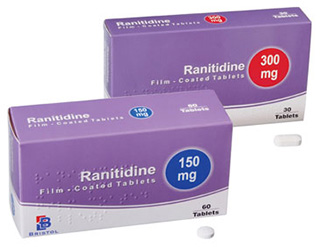
Medication Guide: Ranitidine
Active Ingredient
Ranitidine contains the active ingredient ranitidine hydrochloride. It works by decreasing the amount of acid your stomach produces. Ranitidine is classified as a histamine-2 blocker, which inhibits the action of histamine at the H2 receptors of the stomach wall, thus reducing gastric acid secretion.
Indications and Usage
Ranitidine is primarily used for the treatment of duodenal ulcers, gastric ulcers, and gastroesophageal reflux disease (GERD). It is also indicated for Zollinger-Ellison syndrome, a condition where the stomach produces too much acid. For patients experiencing heartburn, Ranitidine can be used as a preventative measure.
Dosage Forms
Ranitidine is available in various dosage forms including tablets, effervescent tablets, and liquid form. The commonly available strengths for tablets are 75 mg, 150 mg, and 300 mg. Effervescent tablets usually come in 150 mg doses, while the liquid form often comes in a concentration of 15 mg/mL.
Administration Guidelines
Ranitidine tablets should be swallowed whole with water. For the liquid form, use a dosing syringe or spoon for accurate measurement. The medication can be taken with or without food. The standard dosage for treating ulcers is 150 mg twice daily or 300 mg once at bedtime. For GERD, the usual dose is 150 mg twice daily.
Pharmacokinetics
Upon oral administration, Ranitidine is rapidly absorbed with peak plasma concentrations occurring within 1-3 hours. The bioavailability of Ranitidine is approximately 50%, and it is metabolized in the liver, with renal excretion accounting for about 30% of the dose as unchanged drug. The half-life of Ranitidine is approximately 2-3 hours.
Drug Interactions
Ranitidine may interact with certain other medications. Concurrent use with warfarin may increase the risk of bleeding. Sucralfate may reduce the absorption of Ranitidine; therefore, it should be administered at least 2 hours apart. Ranitidine can affect the absorption of drugs for which gastric pH is critical, such as ketoconazole.
Contraindications
Ranitidine is contraindicated in patients who are hypersensitive to ranitidine or any of the excipients in the formulation. It should not be used in patients with a history of acute porphyria. Care should be taken in patients who have renal or hepatic impairment.
Age Restrictions
Ranitidine can be prescribed to both adults and children over the age of 12. Dosage adjustments may be necessary for pediatric patients based on body weight. Geriatric patients do not require specific dosage adjustments but should be monitored for renal function due to the risk of decreased renal clearance.
Pregnancy and Lactation
Ranitidine falls under pregnancy category B. There are no adequate and well-controlled studies in pregnant women. Ranitidine is secreted in human milk, hence caution should be exercised when administered to breastfeeding women.
Adverse Effects
Common adverse effects associated with Ranitidine include headache, dizziness, and gastrointestinal disturbances such as constipation or diarrhea. Rarely, transient and reversible mental confusion has been reported, primarily in severely ill elderly patients. Elevated liver enzymes have also been observed in some cases.
Storage Conditions
Ranitidine should be stored at room temperature, away from moisture, heat, and light. The liquid formulation should be stored in a tightly closed container to prevent evaporation and contamination. Do not freeze the liquid form of Ranitidine.
Missed Dose
If a dose is missed, take it as soon as you remember unless it is near the time for your next dose. Do not take two doses at one time to make up for a missed dose. Follow your normal dosing schedule thereafter.
Overdose Management
Symptoms of overdose may include severe drowsiness or severe dizziness. In case of overdose, seek medical attention immediately. Treatment involves symptomatic and supportive management. Activated charcoal may be considered to reduce absorption.
Formulary and Pricing
Generic versions of Ranitidine are widely available and are typically less costly than brand-name versions. Many insurance plans cover Ranitidine, making it accessible to a larger patient population. Prices may vary depending on the pharmacy and location.
Shelf Life
The shelf life of Ranitidine tablets is generally up to 24 months from the manufacture date. The liquid form typically has a shorter shelf life, often around 6 months from the time it is first opened. Always check the expiration date before using the medication.
Forms of Prescription
Ranitidine can be prescribed in generic or brand-name forms. It may be dispensed as an over-the-counter product for treating heartburn or as a prescription medication for more severe gastrointestinal conditions. Digital prescriptions can also be generated for convenience and efficiency.
Monitoring Parameters
Patients on long-term Ranitidine therapy should have periodic monitoring of liver function tests and renal function, especially in those with pre-existing conditions. Additionally, symptom relief and potential side effects should be regularly evaluated to ensure therapeutic efficacy and patient safety.
Clinical Trials and Research
Numerous clinical trials have demonstrated the efficacy of Ranitidine in reducing gastric acid secretion and treating related conditions. Ongoing research continues to explore its benefits and potential new uses, as well as investigating the long-term safety profile of the medication.
Drug Stability
Ranitidine is generally stable under recommended storage conditions. However, its efficacy may be compromised if exposed to excessive heat, moisture, or light. It is advised to keep the medication in its original packaging to maintain stability.
Brand Names
Several brand names under which Ranitidine is marketed include Zantac, Taladine, and FusePaq Deprizine. These products vary in formulation and dosage strengths but contain the same active ingredient, ranitidine hydrochloride.



Reviews
There are no reviews yet.