
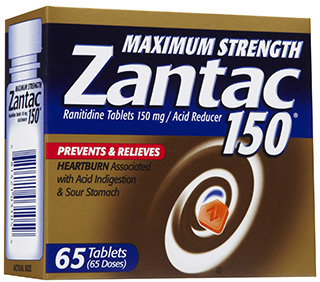
Detailed Medication Guide for Zantac
Active Ingredient
Zantac contains ranitidine hydrochloride as the active ingredient. Ranitidine is an H2 antagonist.
Therapeutic Uses
Zantac is used to treat gastroesophageal reflux disease (GERD). It is also indicated for the treatment of ulcers in the stomach and intestines.
Dosage Forms Available
Zantac is available in various formulations including tablets, effervescent tablets, and oral solutions. Dosages generally range from 75 mg to 300 mg per tablet.
Mechanism of Action
Zantac works by reducing the amount of acid produced in the stomach. It blocks histamine H2 receptors on gastric parietal cells.
Pharmacokinetics
Ranitidine is absorbed rapidly from the gastrointestinal tract. Peak plasma levels are typically reached within 2-3 hours after oral administration.
Dosing Recommendations
The typical dosing for GERD is 150 mg twice daily. For ulcer treatment, 150 mg twice daily or 300 mg once daily at bedtime is recommended.
Food Interactions
Food intake does not significantly impact the absorption of ranitidine. It can be taken with or without meals.
Administering the Medication
Zantac tablets should be swallowed whole with a glass of water. Effervescent tablets should be dissolved in water before ingestion.
Potential Side Effects
Common side effects include headache, constipation, or diarrhea. Less common effects include muscle pain and dizziness.
Drug Interactions
Zantac may interact with drugs like warfarin, ketoconazole, and procainamide. It may affect the absorption and effectiveness of these medications.
Special Populations
Dosage adjustments may be necessary for elderly patients and those with renal impairment. Pediatric dosing should be administered with caution.
Storage Instructions
Store Zantac at room temperature, away from light and moisture. Keep out of reach of children.
Pregnancy and Lactation
Zantac should be used during pregnancy only if clearly needed. Ranitidine is excreted in human milk; caution is advised if used during breastfeeding.
Overdose Management
Symptoms of overdose may include extreme drowsiness and hypotension. In case of overdose, supportive and symptomatic treatment should be provided.
Contraindications
Zantac is contraindicated in patients with known hypersensitivity to ranitidine or other H2 antagonists. It is also contraindicated in patients with acute porphyria.
Effect on Lab Tests
Ranitidine may interfere with certain diagnostic tests, including tests for urine protein. Inform laboratory personnel if you are taking this medication.
Patient Counseling Tips
Advise patients to report any unusual symptoms such as black, tarry stools or severe abdominal pain. Inform them about the importance of adhering to prescribed treatment.
Missed Dose Instructions
If a dose is missed, take it as soon as remembered. If it is almost time for the next dose, skip the missed dose; do not double up.



Reviews
There are no reviews yet.