
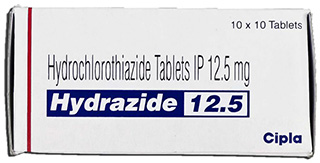
Medication Name
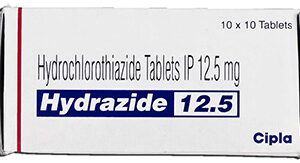
Hydrochlorothiazide
Therapeutic Class
Primary Indications
Hypertension, Edema
Mechanism Of Action
Hydrochlorothiazide inhibits sodium reabsorption in the distal tubules causing increased excretion of sodium and water, thereby reducing blood pressure.
Dosage Forms
Tablets, Capsules
Available Strengths
12.5 mg, 25 mg, 50 mg
Administration Route
Oral
Dosing Frequency
Once daily
Maximum Dosage
100 mg per day
Use In Combination
Often used with other antihypertensives like ACE inhibitors, beta-blockers, or ARBs.
Drug-Drug Interactions
NSAIDs may reduce diuretic effectiveness. Lithium clearance is reduced, increasing toxicity risk. Concurrent use with corticosteroids can cause hypokalemia.
Contraindications
Anuria, Hypersensitivity to Sulfonamide-Derived Drugs
Precautionary Conditions
Severe Renal Impairment, Liver Disease
Possible Side Effects
Hypokalemia, Hyperglycemia, Hyperuricemia, Photosensitivity
Lab Monitoring
Serum Electrolytes, Renal Function, Blood Glucose
Storage Conditions
Store at room temperature, protect from light and moisture.
Overdose Management
Symptomatic and Supportive Treatment
Non-Indicated Uses
Not indicated for initial treatment of malignant hypertension.
Pediatric Use
Safety and Efficacy not established in children under 6 months.
Geriatric Use
Monitor for hypokalemia and hypotension due to increased sensitivity.
Pregnancy Category
Category B: Animal reproduction studies have not demonstrated risk.
Lactation Considerations
Small amounts excreted in breast milk; use caution.
Patient Counseling Information
Advise on the risk of photosensitivity, emphasizing the need to use sunscreen or wear protective clothing.
Discontinuation Guidance
Do not abruptly discontinue without consulting a healthcare provider.
Manufacturing Companies
Manufactured by various pharmaceutical companies such as Mylan, Sandoz, and Teva.
Regulatory Status
FDA Approved
Bioavailability
Intermediate
Pharmacokinetics
Onset of action occurs in 2 hours, with peak effect at 4 to 6 hours. Half-life ranges between 6 to 15 hours.
Effect On Mental State
No impact reported on mental alertness or coordination.
Guideline Recommendations
Included in most guidelines as a first-line treatment for hypertension.
Diabetes Considerations
May exacerbate hyperglycemic episodes in diabetic patients.
Bone Density Effects
Long-term use may be associated with decreased bone mineral density.
Fluid Retention
Effectively reduces fluid retention in conditions like congestive heart failure.
Marketing Approval Date
First approved in 1959 for medical use.
Alternative Names
HCTZ, Hydrodiuril, Esidrix
Specific Populations
Adjust dosing in renal impairment, with careful monitoring for efficacy and toxicity.
Cost Considerations
Generally inexpensive, often included in generic drug programs.
Comorbidity Management
Useful in multifactorial therapeutic regimens targeting both hypertension and heart failure.
Patient Adherence
Oral administration once daily enhances patient adherence.
Alternative Therapies
Loop diuretics and potassium-sparing diuretics can be considered based on clinical indications.
Impact On Cholesterol
May cause a slight rise in cholesterol levels, requiring monitoring.
Electrolyte Imbalances
Monitor closely for hyponatremia and hypokalemia during therapy.
Dietary Considerations
Advise on maintaining a balanced diet rich in potassium sources to counteract hypokalemia.
Physical Exercise
Encourage physical activity, but caution regarding potential dehydration and electrolyte imbalance.
Long-Term Effectiveness
Remains effective for long-term management of hypertension and edema with appropriate monitoring.
Renal Function
Periodic assessment of renal function is essential to avoid complications.
Patient Education
Inform patients about the importance of adherence to therapy and regular follow-ups.

Reviews
There are no reviews yet.