
Active Ingredients
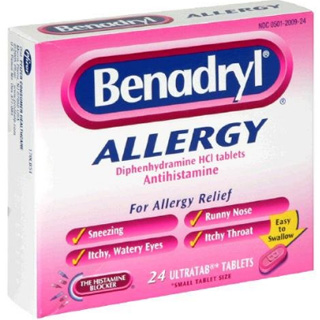
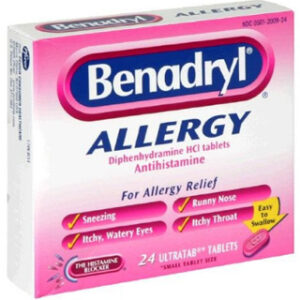
Benadryl contains the active ingredient diphenhydramine hydrochloride. This compound is classified as an antihistamine. It works by blocking the action of histamine, a substance in the body that causes allergic symptoms.
Forms and Strengths
Benadryl is available in multiple forms: tablets, capsules, liquid gels, and liquid solutions. The standard strength for the tablets and capsules is 25 mg. Liquid solutions typically contain 12.5 mg per 5 mL.
Indications
Benadryl is indicated for the temporary relief of symptoms due to hay fever or other upper respiratory allergies. These symptoms include runny nose, sneezing, itchy or watery eyes, and itching of the nose or throat. It is also used for the relief of symptoms due to the common cold.
Dosage Guidelines
For adults and children 12 years and over, the recommended dose is 25 mg to 50 mg (one to two tablets) every four to six hours. Do not exceed 300 mg (12 tablets) in 24 hours. For children under 12 years, consult a healthcare professional.
Administration Instructions
Benadryl tablets should be taken with a full glass of water. Chewable tablets should be chewed thoroughly before swallowing. Liquid forms should be measured with a dosing cup or spoon for accuracy. Capsules and liquid gels should be swallowed whole without chewing.
Common Side Effects
Potential side effects include drowsiness, dizziness, dry mouth, nose, and throat. Gastrointestinal disturbances such as nausea and constipation may also occur. Some users may experience blurred vision or urinary retention.
Drug Interactions
Benadryl may interact with alcohol, sedatives, and tranquilizers, increasing the risk of drowsiness. Monoamine oxidase inhibitors (MAOIs) may intensify the anticholinergic effects of diphenhydramine. Consult your pharmacist for a full list of potential interactions.
Pharmacokinetics
Diphenhydramine is rapidly absorbed after oral administration. Peak plasma concentrations are generally reached within 2 to 3 hours. The drug has a half-life of approximately 4 to 8 hours. It is metabolized primarily in the liver and excreted by the kidneys.
Special Populations
Older adults may be more sensitive to the effects of Benadryl, particularly drowsiness and anticholinergic effects. For pregnant and breastfeeding women, consult a healthcare professional before taking this medication. Childrenâs dosage should be guided by a healthcare provider.
Storage Recommendations
Store Benadryl at room temperature, away from light and moisture. Do not store in the bathroom. Keep all medications out of reach of children and pets to prevent accidental ingestion.
Overdose Management
In case of overdose, immediate medical attention is necessary. Symptoms of overdose may include severe drowsiness, seizures, widened pupils, or difficulty breathing. Provide supportive measures and symptomatic treatment as required.
Mechanism of Action
Diphenhydramine works by competitively inhibiting histamine-1 (H1) receptors. This blockade reduces vasodilation, decreases permeability of capillaries, and alleviates symptoms associated with histamine response such as itching and swelling.
Contraindications
Benadryl should not be used in patients with a history of hypersensitivity to diphenhydramine or any component of the formulation. It is contraindicated in newborns and premature infants and should not be used in individuals with narrow-angle glaucoma or peptic ulcer.
Warnings and Precautions
Use caution when operating machinery or driving a vehicle during the use of Benadryl due to possible drowsiness. Patients with respiratory disorders, such as asthma or chronic obstructive pulmonary disease (COPD), should use Benadryl with caution.
Clinical Studies
Clinical studies have demonstrated the efficacy of diphenhydramine in reducing allergy symptoms. These studies confirmed its effectiveness in treating symptoms such as sneezing, runny nose, and itchy eyes compared to placebo.
Patient Counseling Information
Advise patients to read the package information thoroughly before use. Inform them about the potential for drowsiness and advise against concurrent alcohol consumption. Counsel them on the appropriate dosing intervals and the importance of not exceeding the daily limit.
Chemical Composition
Diphenhydramine is a member of the ethanolamine class of antihistamines. Its chemical formula is C17H21NO, and it has a molecular weight of 255.36 g/mol. The drug is a white, crystalline powder that is freely soluble in water.
Regulatory Status
Benadryl is available over-the-counter (OTC) in most countries, including the United States. There are prescription formulations for specific therapeutic requirements. The FDA monitors the safety and efficacy of this medication to ensure compliance with regulatory standards.

Reviews
There are no reviews yet.