
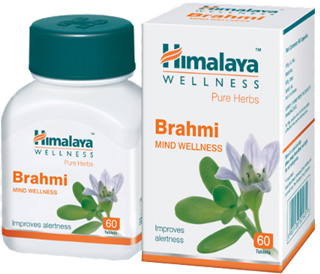
Active Ingredients
Brahmi, also known as Bacopa monnieri, predominantly contains bacosides, which are saponins responsible for its therapeutic properties. These compounds enhance neuron communication by elevating kinase activity and restoring synaptic activity.
Pharmacological Properties
Brahmi is known for its neuromodulatory effects, chiefly enhancing cognitive function. It exerts antioxidative effects to protect neuronal tissues from oxidative stress. Additionally, it exerts anti-inflammatory properties, reducing the production of pro-inflammatory cytokines.
Therapeutic Uses
Commonly, Brahmi is utilized in Ayurveda for boosting memory, attention, and overall cognitive function. It is often prescribed for patients with anxiety disorders due to its potential anxiolytic effects. It has also been used in managing symptoms of dementia and Alzheimer’s disease.
Recommended Dosage Forms
Brahmi is marketed in several forms including capsules, tablets, liquid extracts, and powders. Standardized extracts are frequently recommended due to their high concentration of active bacosides.
Dose Administration
For adults, the typical dosage ranges from 300 mg to 450 mg per day, depending on the concentration of bacosides in the product. It is often advised to take Brahmi with food to minimize gastrointestinal discomfort.
Common Side Effects
Side effects may include gastrointestinal symptoms such as nausea, stomach cramps, and diarrhea. Headache and fatigue have also been reported in some individuals.
Drug Interactions
Brahmi may interact with medications that affect the central nervous systems, such as sedatives and antidepressants. Caution should be observed when combining Brahmi with blood-thinning medications due to the potential for increased bleeding risk.
Contraindications and Precautions
Pregnant and breastfeeding women should avoid Brahmi due to insufficient safety data. Individuals with known hypersensitivity to Bacopa monnieri or any of its components should not use this medication.
Mechanisms of Action
Bacosides in Brahmi facilitate neurotransmitter activity by enhancing the synthesis and activity of acetylcholine. They also modulate inflammatory response by inhibiting COX-2 enzymes and reducing oxidative stress through scavenging free radicals.
Storage Conditions
Store Brahmi products in a cool, dry place, away from direct sunlight and moisture. Keep the products in tightly sealed containers to maintain efficacy and shelf-life stability.
Clinical Research Findings
Studies suggest that Brahmi can significantly improve cognitive abilities such as memory retention and recall speed. Clinical trials have also demonstrated its efficacy in reducing symptoms of anxiety and stress-related disorders.
Traditional Usage
In Ayurvedic practice, Brahmi has been used for centuries to enhance intellectual capabilities and improve lifespan. It is also traditionally employed for treating ailments like epilepsy, fever, and inflammation.
Availability
Brahmi is readily available in health food stores, online platforms, and pharmacies specializing in nutraceuticals and herbal supplements. Consult healthcare professionals for reputable brands and standardized extracts.
Regulatory Status
In most countries, Brahmi is classified as a dietary supplement rather than a pharmaceutical drug. It is vital to procure Brahmi from manufacturers adhering to Good Manufacturing Practices (GMP) for quality assurance.
Patient Counseling Information
Encourage patients to adhere strictly to recommended dosages. Inform them about the potential minor side effects and the importance of consulting healthcare providers before combining Brahmi with other medications.
Scientific Validation
Research corroborates traditional uses of Brahmi, validating its efficacy in cognitive enhancement. Its role as a neuroprotective and adaptogenic agent is backed by a growing body of empirical evidence.



Reviews
There are no reviews yet.