
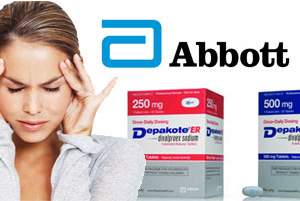
Depakote Medication Guide
Active Ingredient Information
Depakote contains the active ingredient valproic acid. This active component works by increasing the levels of certain chemicals in the brain that help to control seizures and affect mood stabilization. The chemical formula for valproic acid is C8H16O2.
Indications for Use
Depakote is primarily prescribed for the treatment of epilepsy, including complex partial seizures and absence seizures. It is also indicated for the prevention of migraine headaches and the treatment of manic episodes associated with bipolar disorder.
Dosage Forms Available
Depakote is available in various forms including delayed-release tablets, extended-release tablets, and sprinkle capsules. The specific formulation chosen depends on the individual’s condition and the physician’s treatment plan.
Administration Guidelines
Depakote is typically taken orally, with or without food, according to the prescribed schedule. It is important to swallow the delayed-release and extended-release tablets whole, without crushing or chewing. Sprinkle capsules can be opened and mixed with soft food if necessary.
Adult Dosage Recommendations
The dosage for Depakote varies widely based on the condition being treated. For epilepsy, the starting dose is generally 10-15 mg/kg/day, increasing by 5-10 mg/kg/week. For bipolar disorder, the usual starting dose is 750 mg/day, which may be adjusted. For migraine prevention, a typical dose is around 500-1000 mg/day.
Pediatric Dosage Information
The initial pediatric dose for epilepsy typically starts at 15 mg/kg/day and can be increased as needed. For pediatric patients with bipolar disorder, dosage must be carefully determined by a physician. Depakote is not generally recommended for children under two years old.
Contraindications Overview
Depakote is contraindicated in patients with known hypersensitivity to valproic acid. It should not be used in patients with liver disease, urea cycle disorders, or certain mitochondrial disorders due to the risk of severe hepatic dysfunction.
Mechanism of Action
Valproic acid increases gamma-aminobutyric acid (GABA) levels in the brain, which helps to calm nerve activity. It also modulates the function of various ion channels and neurotransmitters to stabilize neural activity.
Drug Interactions
Depakote can interact with various medications including aspirin, warfarin, and other antiepileptic drugs. Combining Depakote with drugs such as topiramate can increase the risk of hyperammonemia. Regular blood monitoring is essential to manage potential interactions.
Side Effects
Common side effects of Depakote include nausea, vomiting, dizziness, and hair loss. Serious side effects can include liver damage, pancreatitis, and blood disorders. Neurological symptoms such as tremors and drowsiness may also occur.
Monitoring Requirements
Patients on Depakote require regular monitoring of liver function, blood cell counts, and blood levels of the medication. Regular assessments are important to prevent toxicity and manage side effects. Serum ammonia levels should also be checked if signs of hyperammonemia appear.
Pregnancy Considerations
Depakote is classified as a Category D drug for pregnancy, indicating a high risk of fetal harm. It can cause birth defects such as neural tube defects and cognitive impairment. Women of childbearing age should use effective contraception while taking Depakote.
Breastfeeding Precautions
Valproic acid is excreted in breast milk, and breastfeeding while taking Depakote may pose risks to the infant, including liver toxicity and developmental delays. The benefits and risks should be carefully weighed before deciding to breastfeed on Depakote.
Renal Impairment Adjustments
Patients with renal impairment may require dose adjustments due to altered pharmacokinetics of valproic acid. Close monitoring of kidney function and drug levels is recommended to avoid accumulation and toxicity.
Hepatic Impairment Adjustments
Hepatic dysfunction significantly alters the metabolism of Depakote. Dosage reductions and frequent monitoring of liver enzymes and other hepatic function markers are crucial for these patients to prevent adverse effects.
Therapeutic Drug Levels
The therapeutic range for valproic acid in the blood is typically between 50-100 µg/mL for seizure control and 50-125 µg/mL for mania. Levels should be checked to ensure efficacy and minimize toxicity risks.
Overdose Management
Symptoms of a Depakote overdose include deep coma, respiratory depression, and metabolic disturbances such as hypernatremia. Emergency medical attention is required, and treatment may involve supportive measures and hemodialysis to remove the drug from the system.
Patient Counseling Information
Patients should be advised to take Depakote exactly as prescribed and not to discontinue the medication abruptly. They should report any unusual symptoms such as severe abdominal pain, jaundice, or unexpected bruising to their healthcare provider immediately.
Storage Instructions
Depakote should be stored at room temperature, away from moisture and direct light. Keep the medication in its original container and ensure that it is out of reach of children and pets.
Brand and Generic Availability
Depakote is available both as a brand-name drug and in generic forms. The generic version is known by its chemical name, valproic acid, or divalproex sodium, and is considered equally effective by medical standards.
Formulation Stability
Depakote tablets and capsules maintain stability under standard storage conditions for an extended period. The expiration date on the packaging should be strictly adhered to for optimal medication efficacy.
Manufacturer Information
Depakote is manufactured by Abbott Laboratories, a major pharmaceutical company expert in creating medications for neurological and psychiatric disorders. The company ensures high-quality production standards and compliance with regulatory guidelines.

Reviews
There are no reviews yet.