
Active Ingredient
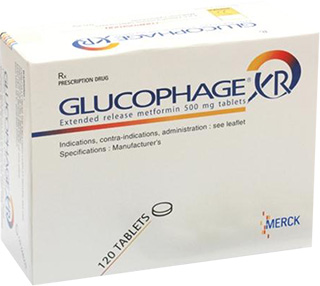
Glucophage contains the active ingredient metformin hydrochloride. Metformin is a biguanide class of oral hypoglycemic agents used primarily for Type 2 Diabetes Mellitus.
Mechanism of Action
Metformin works by decreasing hepatic glucose production, decreasing intestinal absorption of glucose, and improving insulin sensitivity by increasing peripheral glucose uptake and utilization.
Indications
Glucophage is indicated for the management of Type 2 Diabetes Mellitus, particularly in patients whose hyperglycemia cannot be controlled by diet and exercise alone. It is often used in combination with other antidiabetic agents.
Dosage Forms
Glucophage is available in multiple dosage forms including immediate-release tablets, extended-release tablets, and oral solutions. Typical strengths for tablets are 500 mg, 850 mg, and 1000 mg.
Initial Dosing
The initial dose for adults typically starts at 500 mg once or twice daily or 850 mg once daily, with meals to decrease gastrointestinal side effects. The dose is usually titrated based on patient response and tolerability.
Maintenance Dosing
Maintenance doses generally range from 1500 mg to 2550 mg per day, divided into 2-3 doses. Maximum recommended dose is 2550 mg per day for immediate-release and 2000 mg per day for extended-release tablets.
Administration Instructions
Glucophage should be taken with meals to reduce gastrointestinal discomfort. Extended-release tablets should be swallowed whole and not crushed or chewed. Missed doses should be taken as soon as remembered unless it is close to the next dose.
Pharmacokinetics
Metformin is absorbed primarily in the small intestine. It is not metabolized by the liver and is excreted unchanged in the urine. The half-life ranges from 4 to 8.7 hours. Steady-state plasma concentrations are generally reached within 24-48 hours.
Drug Interactions
Glucophage may interact with medications such as cimetidine, furosemide, and nifedipine which can increase plasma concentrations of metformin. Alcohol can potentiate the effect of metformin on lactate metabolism. Co-administration with insulin or other antidiabetic drugs may increase the risk of hypoglycemia.
Adverse Reactions
Common side effects include gastrointestinal symptoms such as diarrhea, nausea, and vomiting. Less common side effects may include lactic acidosis, particularly in patients with renal impairment. Hypoglycemia is rare with metformin monotherapy but may occur when combined with other antidiabetic agents.
Monitoring Parameters
Monitoring renal function is crucial before initiation and periodically thereafter. Blood glucose levels should be monitored to evaluate the efficacy. Periodic measurement of hemoglobin A1c (HbA1c) is also recommended to assess long-term glucose control.
Contraindications
Contraindications include known hypersensitivity to metformin, severe renal impairment, acute or chronic metabolic acidosis, including diabetic ketoacidosis, with or without coma. Use is also contraindicated in patients with severe liver disease.
Clinical Trials
Clinical trials have demonstrated that metformin effectively lowers baseline and postprandial glucose levels. Long-term studies have shown improved clinical outcomes such as reduced HbA1c, weight control, and in some cases, reduced cardiovascular events in patients with Type 2 Diabetes.
Special Populations
Dosage adjustments may be necessary for the elderly due to decreased renal function. Pediatric use is approved for children aged 10 and up. Pregnancy category B – there is no evidence of risk in humans; however, it should be used only if clearly needed.
Storage Conditions
Glucophage should be stored at room temperature, away from moisture and light. Keep the medication in its original container and protect it from extreme temperatures. Do not use past the expiration date provided on the packaging.
Pharmaceutical Precautions
Do not share this medication with others, even if they have the same symptoms. Regular follow-up visits with a healthcare provider are recommended to monitor the drug’s effectiveness and any potential side effects. Advising patients on lifestyle modifications can significantly improve the drug’s effectiveness.
Educational Information
Patients should be informed about the symptoms of lactic acidosis and the importance of immediate medical attention if symptoms occur. Encouraging adherence to prescribed dietary and exercise regimens can also enhance glucose control with Glucophage treatment.
Miscellaneous Facts
Glucophage has a well-documented history of use since its approval. It is considered a standard first-line therapy for Type 2 Diabetes Mellitus. The generic version of Glucophage is metformin, which is equally effective and often more affordable.



Reviews
There are no reviews yet.