

Active Ingredient Composition
Sominex contains the active ingredient diphenhydramine hydrochloride. Each tablet typically includes 25 mg of diphenhydramine. This antihistamine works by blocking histamine receptors, offering sedative and anti-allergic effects.
Pharmacological Properties
Diphenhydramine hydrochloride displays sedative, antiemetic, and anticholinergic properties. The sedative effect is due to its action on the central nervous system. It inhibits histamine’s effects on H1 receptors, leading to its sedative properties.
Indications for Use
Sominex is indicated for the temporary relief of occasional sleeplessness. It may also be used to alleviate symptoms of allergies, hay fever, and the common cold such as sneezing, runny nose, and itchy throat.
Dosage and Administration
Adults and children over 12 years should take one tablet 30 minutes before bedtime. Do not exceed the recommended dose of one tablet per night. For allergies, the recommended dose is 25 mg to 50 mg every 4 to 6 hours, not exceeding 300 mg in 24 hours.
Special Populations Consideration
In elderly patients, reduced dosages may be appropriate due to increased susceptibility to diphenhydramine’s effects. Patients with hepatic or renal impairment should consult a healthcare provider before use. Not recommended for children under 12 years without medical advice.
Drug Interactions
Diphenhydramine may interact with alcohol, sedatives, muscle relaxants, and antidepressants, enhancing their sedative effect. It also has potential interactions with MAO inhibitors, increasing the risk of side effects. Caution with concomitant use.
Adverse Reactions
Common side effects include drowsiness, dizziness, dry mouth, and blurred vision. Gastrointestinal disturbances like nausea and vomiting may also occur. Rare but serious effects can include confusion, hypotension, and urinary retention.
Precautions to Consider
Patients should avoid alcoholic beverages while taking Sominex. Regular activities requiring mental alertness like driving should be avoided due to potential drowsiness. Pregnant and breastfeeding women should seek medical advice before using Sominex.
Storage Instructions
Store Sominex at room temperature, between 20°C to 25°C (68°F to 77°F). Keep away from excess heat and moisture. Ensure it is stored in a secure location away from children and pets.
Overdose Management
Symptoms of overdose include extreme drowsiness, seizures, hallucinations, and severe anticholinergic effects such as dry mouth, constipation, and urinary retention. Immediate medical attention should be sought. Supportive measures and symptomatic treatment are essential.
Pharmacokinetics
Diphenhydramine demonstrates rapid absorption from the gastrointestinal tract with peak plasma concentrations occurring within 2 to 7 hours. It is widely distributed throughout the body, including the central nervous system. Metabolism occurs primarily in the liver, with excretion via urine. Half-life ranges from 2.4 to 9.3 hours.
Mechanism of Action
Diphenhydramine functions primarily as an H1 antagonist, competing with histamine for binding at H1 receptors. This blocks the action of endogenous histamine, resulting in sedation and decreased capillary permeability, which helps reduce allergic symptoms.
Clinical Efficacy
Clinical trials have shown that diphenhydramine is effective in improving sleep onset latency and duration. Comparative studies indicate it is as effective as other common first-generation antihistamines for managing allergic symptoms.
Contraindications
Sominex is contraindicated in patients with known hypersensitivity to diphenhydramine or any of the excipients. It is also contraindicated in patients with severe asthma, chronic obstructive pulmonary disease (COPD), and narrow-angle glaucoma.
Counseling Tips
Advise patients on the importance of adhering to the prescribed dosage regimen. Highlight the risks of operating machinery or driving during treatment. Educate about the potential for additive CNS effects when combined with other CNS depressants.
Alternative Options
Patients may consider alternative options like second-generation antihistamines for allergic symptoms or non-pharmacologic sleep aids such as cognitive behavioral therapy for insomnia (CBT-I) for managing sleeplessness with fewer side effects.
Availability and Packaging
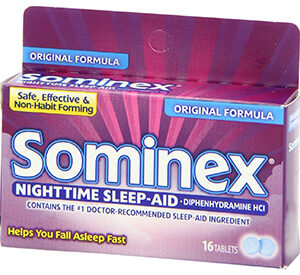
Sominex is available in tablet form, typically packaged in blister packs or bottles of varying quantities. Over-the-counter availability makes it accessible, but patients should be advised to follow usage guidelines strictly.
Patient Monitoring
Monitor for signs of misuse or dependence, especially in patients taking Sominex for extended periods. Observe for adverse reactions that may necessitate dosage adjustments or discontinuation. Regular follow-up consultations are recommended for elderly patients.


Reviews
There are no reviews yet.