
Medication Overview
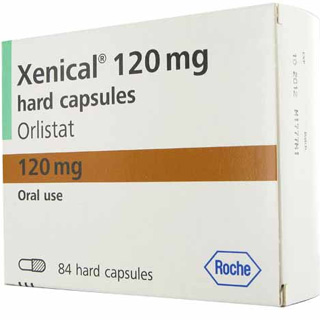
Xenical is a prescription medication primarily prescribed to assist with weight loss in obese patients. It works by inhibiting the absorption of dietary fats in the intestines.
Active Ingredient
The active ingredient in Xenical is orlistat. This compound inhibits pancreatic and gastric lipases, enzymes necessary for the hydrolysis of triglycerides into absorbable free fatty acids.
Indications for Use
Xenical is indicated for the treatment of obesity in patients with a body mass index (BMI) of 30 or higher. It is also indicated for overweight patients with a BMI of 27 or higher who have additional risk factors such as hypertension, diabetes, or dyslipidemia.
Dosage and Administration
The recommended dose of Xenical is 120 mg orally, three times a day with each main meal containing fat. It should be administered during or up to one hour after the meal. If a meal is missed or contains no fat, the dose of Xenical should be omitted.
Mechanism of Action
Xenical works by inhibiting the enzyme lipase, which is required for the breakdown of dietary fats. The result is that approximately 30% of the fat ingested is not absorbed and is excreted in the feces. This reduction in fat absorption reduces overall caloric intake, aiding in weight loss.
Clinical Studies
Clinical trials have demonstrated that Xenical, in combination with a reduced-calorie diet, significantly reduces body weight more effectively than diet alone. Studies show that patients taking Xenical lose an average of 5-10% of their initial body weight within six months to one year of treatment.
Side Effects
Common side effects include gastrointestinal issues such as oily spotting, flatus with discharge, fecal urgency, and fatty or oily stools. These effects are usually mild and transient. Patients may also experience headaches and respiratory tract infections. Rare adverse effects include hypersensitivity reactions.
Contraindications
Xenical is contraindicated in patients with chronic malabsorption syndrome or cholestasis. It should not be used in patients who have known hypersensitivity to orlistat or any component of the formulation.
Drug Interactions
Xenical may interact with other medications, potentially altering their effects. For instance, it can decrease the absorption of fat-soluble vitamins (A, D, E, K) and beta-carotene. Patients using cyclosporine should take Xenical at least 3 hours before or after their cyclosporine dose.
Storage Instructions
Store Xenical at room temperature, between 20°C to 25°C (68°F to 77°F). Keep the medication in its original container, tightly closed, and protect it from moisture and light. Do not store in the bathroom.
Missed Dose
If a dose of Xenical is missed and it’s been more than an hour since eating a meal, skip the missed dose. Wait and take the next dose at the regular time. Do not double the dose to catch up.
Long-Term Use
Long-term use of Xenical has been shown to help maintain weight loss in patients who have succeeded in losing weight. Continued regular dietary and exercise habits are essential to maximize the efficacy of the medication.
Alcohol Interaction
Alcohol can interfere with weight loss efforts and can also worsen gastrointestinal side effects. It is recommended to limit or avoid alcohol while taking Xenical to achieve optimal results.
Monitoring Requirements
Patients using Xenical should have regular follow-ups with their healthcare provider to monitor weight loss progress and any potential side effects. Blood levels of fat-soluble vitamins should be periodically checked, and supplementation may be necessary.
Patient Counseling Information
Patients should be advised to adhere to a nutritionally balanced, reduced-calorie diet that contains approximately 30% of calories from fat. The daily intake of fat, carbohydrate, and protein should be distributed over three main meals.
Pregnancy and Lactation
The safety of Xenical for use during pregnancy and lactation has not been established. It is classified as Pregnancy Category X and is contraindicated during pregnancy. Nursing mothers should also avoid using Xenical.
Alternative Treatments
Other treatment options for obesity include lifestyle modifications, other prescription medications, and, in severe cases, bariatric surgery. Lifestyle changes such as diet and exercise are fundamental elements of obesity management.
Discontinuation Effects
Discontinuation of Xenical generally results in regaining the weight that was lost during treatment. Patients are encouraged to continue practicing healthy eating habits and regular physical activity to maintain weight loss after stopping the medication.
Benefits Beyond Weight Loss
In addition to weight loss, Xenical has been shown to improve several obesity-related risk factors, including reducing blood pressure, improving lipid profiles, and improving glycemic control in patients with type 2 diabetes.
Eating Habits
Patients are advised to spread their daily fat intake evenly across three main meals. Consuming a diet that is too high in fat while on Xenical can result in more frequent gastrointestinal side effects.
Professional Recommendations
Healthcare providers typically recommend Xenical as part of a comprehensive weight management program that includes dietary and lifestyle changes. Its use is generally considered when other weight loss methods have been unsuccessful.


Reviews
There are no reviews yet.