
Active Ingredient
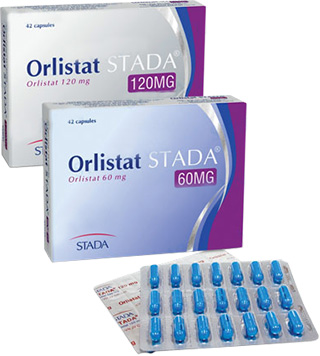
Orlistat is the active ingredient in this medication. It is a potent yet selective inhibitor of gastrointestinal lipases. Upon oral administration, Orlistat acts locally in the gut, binding to and inhibiting the activity of these enzymes, thereby preventing the digestion of dietary fat. The unabsorbed fat is then excreted in the stool, leading to a caloric deficit and weight loss over time.
Indications and Usage
Orlistat is indicated for the management of obesity, including weight loss and weight maintenance, when used in conjunction with a reduced-calorie diet. It is also indicated to reduce the risk of weight regain after prior weight loss. It is additionally used in obese patients who may have other risk factors, such as type 2 diabetes, hypertension, or dyslipidemia.
Dosage Guidelines
The standard dosage of Orlistat is 120 mg taken orally three times a day with each main meal that contains fat. The pill should be swallowed with water, and can be taken during the meal or within an hour after eating. Doses higher than this have not been shown to offer additional benefits. It is essential to follow the reduced-calorie, low-fat diet prescribed by your healthcare provider to minimize the risk of gastrointestinal side effects.
Proper Administration
Orlistat works by inhibiting the absorption of dietary fats. Therefore, it should be taken during or up to one hour after a main meal containing fat. If a meal is skipped or does not contain fat, the dose should also be skipped. Patients should ensure that the diet is nutritionally balanced, containing approximately 30% of calories from fat, and that the intake of fat, carbohydrates, and protein is distributed over three main meals. Consuming a meal with more than 30% fat while taking Orlistat may increase the likelihood of gastrointestinal side effects.
Storage Instructions
Store Orlistat at room temperature, away from moisture and heat. The drug should be kept in a tightly closed container. Do not store in the bathroom. Keep out of reach of children and pets. Proper storage ensures the medication maintains its efficacy and prevents degradation due to environmental factors.
Mechanism of Action
Orlistat works by inhibiting gastric and pancreatic lipases, the enzymes that break down triglycerides in the intestine. When lipase activity is inhibited, triglycerides from the diet are not hydrolyzed into absorbable free fatty acids and monoglycerides. Consequently, approximately 30% of dietary fat is excreted unchanged in the feces, leading to an overall reduction in caloric intake and promoting weight loss.
Pharmacokinetics
Orlistat is minimally absorbed into the bloodstream. Its action is localized within the gastrointestinal tract. After oral administration, peak plasma concentrations of Orlistat are reached in approximately 8 hours, but the levels are very low, indicating negligible systemic absorption. The primary route of elimination is through the feces. Approximately 97% of the ingested dose is excreted in the feces, with about 83% of it being unchanged Orlistat. The remaining part of the unabsorbed dose is metabolized within the intestinal wall into two inactive metabolites.
Contraindications
Orlistat is contraindicated in patients with chronic malabsorption syndrome, as it can exacerbate the condition. It should also not be used by individuals with cholestasis, a condition where bile flow from the liver is blocked. Additionally, patients with known hypersensitivity to Orlistat or any component of the formulation should avoid using this medication. Contraindications must be reviewed thoroughly to ensure patient safety and to avoid potential adverse effects.
Drug Interactions
Orlistat may interact with certain drugs, altering their effectiveness and patientâs health. Co-administration with cyclosporine is known to reduce the plasma levels of cyclosporine. Patients on anticoagulant therapy with warfarin may experience altered coagulation parameters and should be monitored closely. Notable interactions may also occur with antiretroviral drugs, antiepileptics, and thyroid hormones. Patients using levothyroxine should ensure a time gap of at least four hours between the two medications to avoid interaction.
Adverse Effects
Gastrointestinal events are the most commonly reported adverse effects with Orlistat. This includes oily spotting, flatulence with discharge, fecal urgency, fatty/oily stool, oily evacuation, increased defecation, and fecal incontinence. These events occur early in treatment and are mild to moderate in severity. Other less common adverse effects can include headache, upper respiratory infection, constipation, and lower respiratory infection. The occurrence of gastrointestinal effects can be mitigated by adhering to the recommended diet, which is low in fat.
Monitoring Parameters
While on Orlistat, certain parameters should be regularly monitored. This includes body weight, dietary intake, and adherence to a reduced-calorie diet. It is also crucial to monitor fat-soluble vitamins (A, D, E, and K) levels to prevent potential deficiencies, as Orlistat may impair their absorption. For patients on anticoagulation therapy, more frequent monitoring of prothrombin time/INR may be necessary. Continuous monitoring helps ensure effective and safe use of the medication.
Special Populations
Orlistat’s safety and efficacy in pediatric patients younger than 12 years have not been established. Caution should be exercised when prescribing to elderly patients due to the increased frequency of decreased hepatic, renal or cardiac function, and concomitant disease or other drug therapy. Pregnant and lactating women should use Orlistat only if the potential benefit justifies the potential risk to the fetus or infant, as the drug can affect nutrient absorption necessary for fetal development.
Clinical Trials Summary
Clinical trials have demonstrated that patients treated with Orlistat in conjunction with a reduced-calorie diet achieved greater weight loss compared to those on diet alone. In a one-year study, significantly more patients taking Orlistat achieved at least 5% and 10% weight loss than those on placebo. Long-term studies also highlighted a reduction in the risk of type 2 diabetes development among obese patients. These findings underscore Orlistat’s efficacy in weight management and associated metabolic risk reductions.
Patient Counseling
Patients should be counseled on the importance of adhering to a nutritionally balanced, reduced-calorie diet with approximately 30% of calories from fat. They should be informed about potential gastrointestinal side effects and the necessity to distribute fat intake across meals. Encourage taking a multivitamin supplement at bedtime due to potential interference with the absorption of fat-soluble vitamins. Consistent follow-up appointments are essential to monitor progress and adjust the treatment plan as necessary.
Alternate Treatment
Other pharmacological options for weight management include medications like liraglutide, which is a GLP-1 receptor agonist, and phentermine-topiramate, a combination drug that suppresses appetite. Non-pharmacological interventions include lifestyle modifications such as increased physical activity, behavioral therapy, and dietary changes. Surgical interventions may be considered for morbidly obese patients who do not respond to other treatments. Comparing the benefits and risks of these alternatives can help determine the most suitable intervention for the patient.

Reviews
There are no reviews yet.