

Medication Purpose
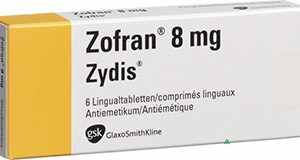
Zofran, the brand name for Ondansetron, is primarily prescribed to manage nausea and vomiting associated with chemotherapy, radiation therapy, and surgery. It works by blocking the actions of chemicals in the body that can trigger nausea and vomiting.
Dosage Forms Available
Zofran is available in several formulations, including oral tablets, orally disintegrating tablets (ODTs), oral solution, and injectable forms. Each form has distinct advantages depending on patient needs and medical conditions.
Common Dosage Regimens
The typical dosage for preventing chemotherapy-induced nausea involves an 8 mg tablet taken 30 minutes before therapy begins, followed by subsequent doses every 12 hours. For surgery-induced nausea, the usual adult dose is 16 mg taken one hour before anesthesia.
Administration Guidelines
Oral tablets should be swallowed whole with water. Orally disintegrating tablets must be allowed to dissolve on the tongue without chewing. The injectable form is typically administered by a healthcare professional.
Possible Side Effects
Common side effects of Zofran include headache, dizziness, and constipation. Some patients may experience drowsiness, fatigue, or a warm flushing sensation. Seek medical advice if side effects are persistent or severe.
Drug Interactions
Zofran may interact with medications such as apomorphine, tramadol, and certain antidepressants. It can affect the action of drugs metabolized by liver enzymes, necessitating dosage adjustments for some patients.
Storage Instructions
Store Zofran oral tablets and ODTs at room temperature, away from light and moisture. Injectable forms should be kept in a refrigerated environment. Safeguard all forms from access by children and pets.
Contraindications
Zofran should be avoided in individuals with hypersensitivity to Ondansetron or any of its ingredients. It is contraindicated in patients with congenital long QT syndrome due to risk of serious cardiac arrhythmias.
Effects on Pregnancy
Zofran is classified under FDA pregnancy category B, indicating no proven risk in humans based on available data. Nevertheless, it should be prescribed during pregnancy only if the potential benefits justify the potential risk to the fetus.
Renal Impairment Considerations
Patients with renal impairment do not typically require dosage adjustment since Zofran is metabolized primarily by the liver. Regular monitoring and clinical judgment are essential for tailored patient care.
Hepatic Impairment Adjustments
Patients with severe liver dysfunction should receive a reduced dosage due to decreased clearance of Zofran. A maximum daily dose of 8 mg is recommended to avoid potential toxicity and side effects.
Pediatric Use Advisories
Zofran’s safety and efficacy for children below 4 years old have not been established. For older pediatric patients, dosing varies by weight and medical indication; close monitoring by a healthcare provider is necessary.
Missed Dose Protocol
If a dose is missed, take it as soon as remembered unless it is near the time of the next scheduled dose. Do not double the dose to catch up. Consistent adherence to the prescribed schedule maximizes therapeutic efficacy.
Overdose Management
In cases of overdose, symptoms may include severe dizziness or fainting due to potential cardiac effects. Immediate medical attention is necessary. Supportive measures and symptomatic treatment may be required.
Alcohol Interaction
Alcohol may exacerbate side effects like dizziness and drowsiness. Patients are advised to limit or avoid alcohol consumption while taking Zofran to prevent adverse reactions.
Geriatric Use Considerations
Older adults may be more susceptible to side effects such as prolonged QT interval and serotonin syndrome. Dosing should start at the lower end of the range and be adjusted based on clinical response and tolerance.



Reviews
There are no reviews yet.