
Medication Overview
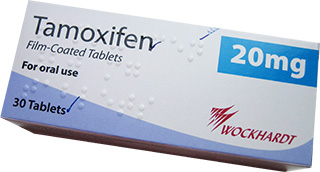
Tamoxifen is a selective estrogen receptor modulator (SERM) commonly used in hormone receptor-positive breast cancer therapy. By binding to estrogen receptors, it inhibits the estrogen-mediated growth of cancer cells. This medication is essential for reducing tumor recurrence and improving survival rates in breast cancer patients. It is also used to reduce the risk of invasive breast cancer in women with ductal carcinoma in situ (DCIS) and those at high risk for breast cancer.
Chemical Composition
The active ingredient in Tamoxifen is Tamoxifen Citrate. The molecular formula for Tamoxifen citrate is C32H37NO8. Excipient components may include lactose, cellulose, and magnesium stearate. The medication is available in tablet forms, typically with dosages of 10 mg and 20 mg per tablet.
Mechanism of Action
Tamoxifen functions by binding to estrogen receptors on breast cancer cells, effectively blocking the estrogen hormone from stimulating cancer cell proliferation. This receptor blockade inhibits cell growth and may induce cell death in estrogen receptor-positive breast cancer cells. Tamoxifen acts primarily by antagonizing estrogen in breast tissue but may function as an estrogen agonist in other tissues.
Therapeutic Indications
Tamoxifen is indicated for the treatment of metastatic breast cancer in both premenopausal and postmenopausal women. It is also approved for reducing the incidence of contralateral breast cancer in patients treated for early-stage breast cancer. Furthermore, it is utilized in the adjuvant treatment of node-positive and node-negative breast cancer and for risk reduction in high-risk women and women with DCIS.
Dosage and Administration
The standard dosage for Tamoxifen in the treatment of breast cancer typically ranges from 20 mg to 40 mg per day, administered orally. For risk reduction, the standard dose is usually 20 mg per day. The duration of treatment can vary but is often extended over a period of five years. The medication may be taken with or without food, and at the same time each day to maintain consistent blood levels.
Pharmacokinetics
Tamoxifen is well absorbed from the gastrointestinal tract, with peak plasma concentrations occurring within four to seven hours after oral administration. The drug is extensively metabolized in the liver via the cytochrome P450 system, primarily through CYP3A4 and CYP2D6 isoenzymes. Metabolites include N-desmethyl-tamoxifen and 4-hydroxy-tamoxifen, both of which contribute to its therapeutic effect. The elimination half-life of Tamoxifen is approximately five to seven days.
Drug Interactions
Concurrent use of Tamoxifen with strong inhibitors of CYP2D6, such as paroxetine, fluoxetine, and quinidine, may reduce the formation of active metabolites, leading to decreased efficacy. Additionally, anticoagulants like warfarin may interact with Tamoxifen, increasing the risk of bleeding. Care should be taken when co-administering with drugs that alter hepatic enzyme activity.
Adverse Reactions
Common adverse reactions include hot flashes, vaginal discharge, and menstrual irregularities. More severe reactions may involve thromboembolic events, such as deep vein thrombosis and pulmonary embolism. Visual disturbances and a heightened risk of endometrial cancer have also been reported. Monitoring for signs of these adverse effects is crucial during treatment.
Monitoring Parameters
Regular monitoring of blood counts, liver function tests, and lipid profiles is advisable during Tamoxifen therapy. Periodic gynecological exams are recommended to detect any signs of endometrial changes. Monitoring for symptoms of thromboembolism, such as swelling or pain in the extremities, should also be conducted routinely.
Special Populations
Tamoxifen is extensively studied in postmenopausal women, but its safety and efficacy in premenopausal women and children require careful consideration. In patients with hepatic impairment, dose adjustments may be necessary due to the drugâs extensive hepatic metabolism. Close monitoring is recommended in these populations.
Storage Requirements
Tamoxifen should be stored at room temperature, typically between 20°C to 25°C (68°F to 77°F). The medication must be kept in a dry place, away from light and moisture. It is important to store Tamoxifen out of reach of children and pets to prevent accidental ingestion.
Contraindications
Tamoxifen is contraindicated in patients with known hypersensitivity to Tamoxifen or any of its excipients. It should not be used in patients with a history of deep vein thrombosis or pulmonary embolism. Use during pregnancy is contraindicated due to the potential for fetal harm, and it should be avoided in breastfeeding mothers.
Patient Counseling Information
Patients should be informed of the importance of adherence to prescribed dosages and schedules. Discussing the potential for adverse effects and the need for regular monitoring can improve patient compliance and outcomes. Patients should be advised to report any unusual symptoms, such as vaginal bleeding or leg pain, promptly.




Reviews
There are no reviews yet.