

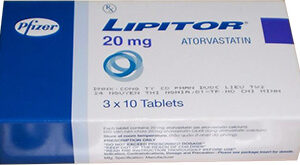
Medication Name: Lipitor
Generic Name
Atorvastatin Calcium
Pharmacological Class
HMG-CoA Reductase Inhibitors (Statins)
Therapeutic Indications
Lipitor is indicated for the treatment of primary hypercholesterolemia. It is also used for mixed dyslipidemia, where both types of cholesterol are abnormally elevated. Additionally, it’s prescribed for patients with elevated triglyceride levels and for the primary prevention of cardiovascular disease.
Mechanism of Action
Lipitor works by inhibiting HMG-CoA reductase, an enzyme crucial for the production of cholesterol in the liver. This inhibition leads to a decrease in cholesterol synthesis and an increase in hepatic uptake of LDL via LDL receptors. Consequently, plasma levels of LDL cholesterol decrease, reducing the risk of cardiovascular events.
Dosage Forms
Lipitor is available in tablet form. The tablets are usually offered in strengths of 10 mg, 20 mg, 40 mg, and 80 mg.
Initial Dosage
The recommended starting dose for adults is typically between 10 to 20 mg once daily. For patients requiring higher reductions in LDL cholesterol (more than 45%), a starting dose of 40 mg may be initiated. Adjustments should be made at intervals of four weeks or more.
Maintenance Dosage
Maintenance dosage usually ranges from 10 mg to 80 mg once daily, depending on individual needs and response to treatment. The maximum recommended dose for adults is 80 mg daily.
Administration Guidelines
Lipitor can be taken with or without food. It is typically taken once a day, at the same time each day, to maintain an even level in the bloodstream. The tablet should be swallowed whole, and it may be beneficial to take it in the evening.
Storage Conditions
Store Lipitor at room temperature, away from moisture and heat. Keep the medication in its original container, tightly closed, and out of reach of children.
Renal Impairment
No dosage adjustments are necessary for patients with mild to moderate renal impairment. For severe renal impairment, caution is advised, and the lowest effective dose should be used.
Hepatic Impairment
Lipitor is contraindicated in patients with active liver disease or unexplained persistent elevations of serum transaminases. Liver function tests should be conducted prior to initiation and periodically thereafter.
Contraindications
Lipitor is contraindicated in patients with known hypersensitivity to atorvastatin or any component of the formulation. It should not be used in pregnant or breastfeeding women due to potential risks to the fetus or infant.
Drug Interactions
When taken with certain other medications, Lipitor can lead to serious adverse effects. Co-administration with gemfibrozil, cyclosporine, and strong CYP3A4 inhibitors can increase the risk of myopathy. Grapefruit juice may also increase Lipitor levels and the risk of muscle-related side effects.
Monitoring Recommendations
Before initiating Lipitor therapy, a baseline lipid panel should be performed. Liver function tests should be conducted prior to and during therapy. Periodic monitoring of lipid levels and renal function is also recommended during treatment.
Adverse Reactions
Common side effects include constipation, flatulence, dyspepsia, and abdominal pain. Myopathy, including rhabdomyolysis, is a serious but rare adverse effect. Elevated liver enzymes and liver dysfunction may also occur.
Patient Counseling Points
Advise patients to report any unexplained muscle pain, tenderness, or weakness, especially if accompanied by malaise or fever. Emphasize the importance of adhering to prescribed dosage and frequency, as well as maintaining a cholesterol-lowering diet and exercise regime.


Reviews
There are no reviews yet.