

Zetia Medication Guide
Generic Name and Classification
Zetia, also known by its generic name ezetimibe, is classified as a cholesterol absorption inhibitor. It is commonly used to reduce the amount of cholesterol absorbed by the body from the diet.
Indications for Use
Primary indications for Zetia include the treatment of primary hyperlipidemia. Zetia is also indicated for homozygous familial hypercholesterolemia when used in combination with a statin. Another indication includes homozygous sitosterolemia, an inherited lipid disorder.
Dosage and Administration
The typical dosage of Zetia in adults and children over 10 years old is 10 mg once daily. Zetia can be taken with or without food. The tablet should be swallowed whole with water. Dosing adjustments are not required for elderly patients.
Mechanism of Action
Zetia works by inhibiting the Niemann-Pick C1-Like 1 (NPC1L1) protein. This protein is responsible for the absorption of cholesterol in the small intestine. By blocking this protein, Zetia decreases the amount of cholesterol delivered to the liver.
Pharmacokinetics Details
After oral administration, Zetia is absorbed and extensively metabolized to the pharmacologically active glucuronide conjugate. The peak plasma concentrations of ezetimibe-glucuronide are achieved in 1 to 2 hours. Zetia has a half-life of approximately 22 hours and is primarily excreted via feces.
Combination Therapy
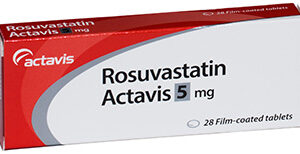
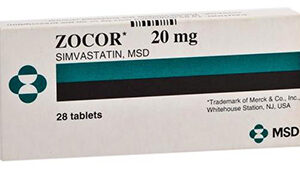
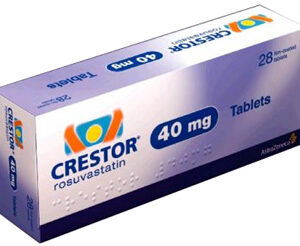
Zetia is often prescribed in combination with statins such as simvastatin. This combination is more effective in lowering LDL cholesterol than either medication alone. When used in combination therapy, the statin may be taken concurrently or at a different time of day, based on patient-specific recommendations.
Drug Interactions
Zetia may interact with certain bile acid sequestrants like cholestyramine, which can decrease its bioavailability. When co-administered with cyclosporine, increased blood levels of both drugs may occur. Pharmacokinetic studies indicate that Zetia does not significantly interact with medications such as digoxin, warfarin, or statins.
Patient Monitoring
Patients on Zetia should have their cholesterol levels regularly monitored, typically every 4 to 6 weeks after initiating therapy or adjusting the dose. Liver function tests are also recommended when Zetia is used in combination with a statin. Monitoring is essential to ensure therapeutic efficacy and detect potential adverse effects.
Special Populations Considerations
In patients with moderate to severe hepatic impairment, the AUC (Area Under Curve) for total ezetimibe is increased. No dosage adjustment is necessary for patients with mild to moderate renal impairment. However, caution is advised in severe renal impairment, especially when combined with a statin.
Reported Side Effects
Common side effects of Zetia include headache, diarrhea, and upper respiratory tract infection. Less common but notable adverse events include myalgia and elevated liver enzymes. Serious allergic reactions are rare but may present as swelling of the face, lips, tongue, or throat.
Pregnancy and Lactation
Zetia falls under Pregnancy Category C. There are no adequate and well-controlled studies in pregnant women. It should only be used during pregnancy if clearly needed. Excretion in human milk is not confirmed, and caution is advised when administered to breastfeeding women.
Storage Instructions
Zetia should be stored at room temperature between 20°C and 25°C (68°F and 77°F). Protect from moisture and heat. Keep the medication in its original packaging until it is time to take it to maintain its efficacy.
Dispensing Information
Pharmacists should dispense Zetia with a thorough explanation regarding the importance of adherence to the prescribed regimen. The original prescription should be verified for accuracy, and any potential drug interactions should be communicated to the patient.
Insurance and Pricing
Many health insurance plans include Zetia within their formulary, but coverage can vary widely. Pharmacies should assist patients in determining their co-pay amounts and exploring generic options if appropriate. Manufacturer’s coupons and patient assistance programs may also be available.
Elderly Patient Use
Clinical studies have not identified any differential responses between elderly and younger patients. However, the greater frequency of decreased hepatic, renal, or cardiac function in the elderly may warrant closer monitoring and potential adjustments in the therapeutic regimen.
Generic and Brand Variants
Zetia is available as both the brand name product and generic ezetimibe. The generic form is manufactured by various pharmaceutical companies. The efficacy and safety profile remains consistent between the brand and generic formulations.
Regulatory Status
Zetia is approved by the U.S. FDA for its indications. It is classified as a prescription-only medication. Regular post-marketing surveillance is conducted to monitor its safety and efficacy in the general population.

Reviews
There are no reviews yet.