
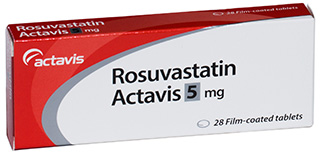
Rosuvastatin Medication Guide
Pharmacological Class
Rosuvastatin belongs to the pharmacological class of statins, specifically known as HMG-CoA reductase inhibitors. Statins work by inhibiting the enzyme HMG-CoA reductase in the liver, which is critical for the biosynthesis of cholesterol. This leads to decreased levels of low-density lipoprotein (LDL) cholesterol and triglycerides, along with a modest increase in high-density lipoprotein (HDL) cholesterol.
Indications and Usage
Rosuvastatin is indicated for the treatment of primary hyperlipidemia and mixed dyslipidemia, to lower LDL cholesterol, total cholesterol, and triglycerides. It is also used in patients with familial hypercholesterolemia, both heterozygous and homozygous. In addition, Rosuvastatin can be prescribed to reduce the risk of myocardial infarction, stroke, and arterial revascularization procedures in patients without clinically evident coronary heart disease but with multiple risk factors.
Dosage and Administration
The initial dosing range for Rosuvastatin is 5 to 10 mg once daily, with or without food. For patients requiring more significant LDL reductions, the initial dose may be 20 mg once daily. Dosage adjustments can be made based on individual patient response, with the maximum recommended dose being 40 mg daily. Dose adjustments may be necessary for patients with renal impairment or those taking certain concomitant medications.
Mechanism of Action
Rosuvastatin competitively inhibits HMG-CoA reductase, the enzyme responsible for the conversion of HMG-CoA to mevalonate, a precursor of cholesterol. By reducing the synthesis of cholesterol in the liver, it results in an upregulation of LDL receptors on hepatocytes, increasing the uptake and clearance of circulating LDL particles. The reduction in hepatic cholesterol levels also decreases VLDL production.
Pharmacokinetics
Rosuvastatin is absorbed in the gastrointestinal tract with peak plasma concentrations occurring within 3 to 5 hours post-dose. Its bioavailability is approximately 20%. It undergoes minimal hepatic metabolism primarily via CYP2C9. Approximately 90% of the drug is excreted unchanged in the feces, with renal excretion accounting for a minor amount. The plasma half-life is around 19 hours.
Drug Interactions
Rosuvastatin interacts with several medications: co-administration with cyclosporine increases Rosuvastatin plasma levels due to decreased hepatic uptake. Use with anticoagulants like warfarin can enhance the anticoagulant effect, necessitating monitoring of INR levels. Combination with gemfibrozil or other fibrates increases the risk of myopathy. Caution is advised when taking with antacids as they can reduce Rosuvastatin plasma levels if taken simultaneously.
Contraindications
Rosuvastatin is contraindicated in patients with active liver disease, including unexplained persistent elevations of serum transaminases. It should not be used in pregnant women or those who are breastfeeding due to the potential for fetal harm. Patients with a history of hypersensitivity to Rosuvastatin or any of its components should avoid this medication.
Patient Monitoring
Routine monitoring of liver enzymes is recommended before initiating therapy and periodically thereafter, especially if symptoms suggest hepatotoxicity. Lipid levels should be checked 2 to 4 weeks after initiation or dose adjustment to assess efficacy and compliance. Creatine kinase levels should be measured if there are symptoms suggestive of myopathy or rhabdomyolysis.
Adverse Reactions
Common adverse reactions include headache, myalgia, abdominal pain, and nausea. Less frequent, but more serious, effects include elevated liver enzymes, proteinuria, and hematuria. Severe adverse reactions can encompass myopathy and rhabdomyolysis, particularly at higher doses or in high-risk patients.
Special Populations
Rosuvastatin should be used cautiously in patients with renal impairment, with dose adjustments as necessary. In elderly patients, increased drug plasma concentrations may occur, warranting lower initial dosing. For patients of Asian descent, initial lower dosages are recommended due to increased drug plasma levels compared to Caucasians.
Administration Instructions
Rosuvastatin can be taken at any time of the day, with or without food, but should be taken consistently at the same time daily. Tablets should be swallowed whole, not crushed or chewed. Patients should adhere to a standard cholesterol-lowering diet before and during treatment.
Overdose Management
In the event of an overdose, symptomatic treatment should be provided along with supportive measures. Hemodialysis is unlikely to be beneficial as Rosuvastatin is extensively bound to plasma proteins. Contact a Poison Control Center for further guidance on management.
Storage and Handling
Store Rosuvastatin tablets at controlled room temperature, between 20°C to 25°C (68°F to 77°F). Keep in a tightly closed container to protect from moisture. Ensure the medication is kept out of reach of children to prevent accidental ingestion.
Preparation for Travel
When traveling, keep Rosuvastatin in its original labeled container. Carry a copy of your prescription or a letter from your healthcare provider detailing your need for the medication. Consider time zone changes and adjust your dosing schedule accordingly.
Patient Support Programs
Many pharmaceutical companies offer patient assistance programs to help reduce the cost of Rosuvastatin. Enrollment may require financial information and a physician’s recommendation. These programs can significantly lower out-of-pocket expenses for eligible patients.


Reviews
There are no reviews yet.