

Medication Name
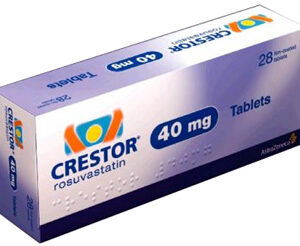
Crestor (rosuvastatin calcium) is a prescription medication used to treat high cholesterol levels and related conditions. It belongs to the class of drugs known as HMG-CoA reductase inhibitors, commonly referred to as statins.
Active Ingredients
The primary active ingredient in Crestor is rosuvastatin calcium. Each tablet contains a specified amount of this active compound, which ranges from 5 mg to 40 mg per tablet, depending on the prescribed dose.
Indications
Crestor is primarily indicated for the treatment of primary hyperlipidemia and mixed dyslipidemia. It is also used for homozygous familial hypercholesterolemia and to slow the progression of atherosclerosis in patients who are at high risk of cardiovascular disease.
Dosage Forms
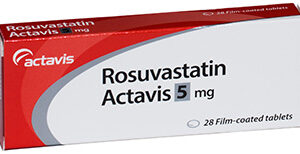
Crestor is available in tablet form intended for oral administration. Tablets are film-coated and come in various dosages including 5 mg, 10 mg, 20 mg, and 40 mg, each designed to accommodate specific patient needs and therapeutic goals.
Mechanism of Action
Rosuvastatin works by inhibiting the enzyme HMG-CoA reductase in the liver, reducing the production of cholesterol. This leads to an upregulation of LDL receptors on hepatocytes, which increases the clearance of low-density lipoprotein (LDL) cholesterol from the bloodstream.
Administration Guidelines
Crestor should be taken once daily, with or without food. It is important to take the medication at the same time each day to maintain an even level of the drug in the bloodstream. Swallow the tablet whole without crushing or chewing.
Adjusting Dose
The initial dose of Crestor may be adjusted based on efficacy and tolerance. Periodic lipid level measurements are recommended, with potential dose increases made at intervals of 2-4 weeks if needed. The maximum recommended dose should not exceed 40 mg per day.
Drug Interactions
Crestor can interact with various medications, including anticoagulants like warfarin, certain antiviral medications, and other lipid-lowering drugs. These interactions may affect the efficacy and safety of Crestor, requiring careful monitoring and possible adjustment of dosages.
Special Populations
In patients with renal impairment, lower starting doses of Crestor may be recommended due to the increased risk of myopathy. Dosing adjustments are also essential for patients with hepatic impairment. Elderly patients may start on lower doses due to age-related pharmacokinetic changes.
Storage Conditions
Store Crestor tablets at controlled room temperature, between 20°C to 25°C (68°F to 77°F), in a tightly sealed container to protect from moisture. Keep the medication out of reach of children and dispose of any expired or unused tablets responsibly.
Clinical Pharmacokinetics
After oral administration, rosuvastatin reaches peak plasma concentrations within 3 to 5 hours. The bioavailability of Crestor is approximately 20%. The drug is extensively metabolized in the liver, with over 90% being excreted in the feces and less than 10% in urine.
Monitoring Therapy
Regular monitoring of lipid levels, liver enzymes, and renal function is recommended during Crestor therapy. This ensures the medication is working effectively and allows early detection of potential side effects or adverse reactions.
Possible Side Effects
Common side effects include headache, muscle pain, abdominal pain, nausea, and constipation. More severe side effects, such as myopathy and rhabdomyolysis, though rare, require immediate medical attention. Routine monitoring helps mitigate these risks.
Contraindications
Crestor is contraindicated in patients with active liver disease, including unexplained persistent elevations of hepatic transaminase levels. It is also not recommended for use in pregnant or breastfeeding women due to potential harm to the fetus or infant.
Alcohol Interaction
Consuming large amounts of alcohol while taking Crestor can increase the risk of liver damage. Patients are advised to limit or avoid alcohol intake during treatment.
Missed Dose
If a dose of Crestor is missed, take it as soon as remembered. If it is near the time of the next scheduled dose, skip the missed dose. Do not double doses to make up for the missed one.
Patient Compliance
Adherence to prescribed Crestor therapy is crucial for achieving lipid-lowering and cardiovascular benefits. Patients should be counseled on the importance of taking the medication as instructed and attending follow-up appointments for monitoring.
Overdose Management
In case of a suspected overdose, seek immediate medical attention. Symptoms may include severe muscle pain, confusion, fever, and dark-colored urine. Supportive measures should be undertaken as indicated in a clinical setting.
Effectiveness Assessment
The effectiveness of Crestor is typically assessed by measuring lipid levels after 2 to 4 weeks of therapy and periodically thereafter. Significant reductions in LDL cholesterol and triglycerides, as well as increases in HDL cholesterol, indicate successful treatment.
Dietary Recommendations
While taking Crestor, patients should adhere to a cholesterol-lowering diet. Recommendations include reducing saturated fats and cholesterol intake, increasing intake of fiber-rich foods, and considering weight management strategies to support cardiovascular health.
Exercise Consideration
Regular physical activity complements Crestor therapy by further aiding in the reduction of LDL cholesterol levels and improving overall cardiovascular health. Patients are encouraged to follow exercise guidelines provided by their healthcare provider.

Reviews
There are no reviews yet.