

Medication Guide: Anacin
Active Ingredients
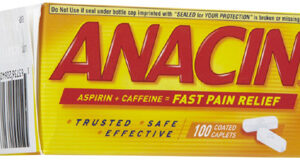
Anacin contains two primary active ingredients: aspirin (acetylsalicylic acid) and caffeine. Aspirin is a salicylate and works by reducing substances in the body that cause pain, fever, and inflammation. Caffeine is a central nervous system stimulant that helps to increase the effectiveness of aspirin.
Pharmacological Classification
Anacin belongs to the pharmacological class of nonsteroidal anti-inflammatory drugs (NSAIDs). It also falls under the category of analgesic combinations due to its inclusion of two active components that have synergistic effects for pain relief.
Indications for Use
Anacin is primarily indicated for the temporary relief of minor aches and pains including headaches, toothaches, muscle aches, menstrual cramps, arthritis, and the common cold. It is also used to reduce fever.
Dosage and Administration
The usual adult dosage of Anacin is 1-2 tablets every 4 to 6 hours. Do not exceed 8 tablets in 24 hours. It is recommended to take the medication with a full glass of water and can be taken with food or milk to avoid stomach upset.
Mechanism of Action
Aspirin in Anacin works by inhibiting the enzyme cyclooxygenase (COX), which results in decreased formation of prostaglandins that cause pain and inflammation. Caffeine enhances the pain-relieving effects of aspirin by narrowing blood vessels in the brain, which can help to alleviate headaches and improve pain relief efficacy.
Potential Drug Interactions
Anacin may interact with several other medications, including anticoagulants like warfarin, other NSAIDs, corticosteroids, selective serotonin reuptake inhibitors (SSRIs), and certain antihypertensives. These interactions can either increase the risk of side effects or reduce the efficacy of one or more of the drugs involved.
Possible Side Effects
Common side effects of Anacin include gastrointestinal issues such as nausea, vomiting, stomach pain, and heartburn. Other potential side effects are dizziness, headache, and tachycardia. More serious but rare side effects may include gastrointestinal bleeding, allergic reactions, and liver damage.
Contraindications
Anacin should not be used by individuals who have a hypersensitivity to aspirin, caffeine, or other NSAIDs. It is also contraindicated in patients with active gastrointestinal bleeding, peptic ulcer disease, or a history of gastrointestinal perforation. Pregnant or breastfeeding women should avoid using Anacin unless directed by a healthcare provider.
Special Populations Consideration
Elderly patients may be at increased risk of adverse effects and should use Anacin with caution. Pediatric use should also be monitored carefully, particularly because aspirin-containing products are associated with Reye’s syndrome in children with viral infections. Patients with renal or hepatic impairment should also be observed for potential side effects.
Storage Instructions
Anacin should be stored at room temperature, away from moisture and heat. Keep the medication in its original container and out of the reach of children. It is important to check the expiration date and avoid using expired medication.
Pharmacokinetics
Aspirin is rapidly absorbed from the gastrointestinal tract with peak plasma levels occurring within 1 to 2 hours. Caffeine is also quickly absorbed with peak levels within 30 to 60 minutes. Both components are metabolized in the liver and excreted primarily in the urine. The elimination half-life of aspirin ranges from 2-3 hours, while caffeine has a half-life of about 3-5 hours.
Monitoring and Follow-Up
Patients taking Anacin should be monitored for signs of gastrointestinal bleeding, liver function abnormalities, and any signs of an allergic reaction. Regular follow-up with healthcare providers is recommended to evaluate the effectiveness and safety of the treatment.
Patient Counseling Information
It is crucial to inform patients about the correct dosage and administration guidelines for Anacin. They should be educated about the potential for drug interactions and advised to disclose all medications they are currently taking to their healthcare provider. Patients should also be made aware of the most common side effects and instructed to seek immediate medical attention if they experience symptoms of serious adverse reactions.
Discharge Instructions
Upon discharge, patients prescribed Anacin should receive a clear summary of usage instructions, potential side effects, and the importance of adherence to prescribed dosages. They should also be advised to avoid alcohol and other NSAIDs to reduce the risk of additive side effects. A follow-up appointment should be scheduled to monitor their response to the medication.



Reviews
There are no reviews yet.